How to Visit Mosques in Istanbul & Turkey: Rules & Dress Code
Tourists and non-Muslims can visit most historic mosques in Istanbul and throughout Turkey when they are open to visitors. The main rules are simple: dress modestly, remove your shoes before stepping onto the prayer carpet, keep your voice low, respect people who are praying, and plan your visit around prayer times.
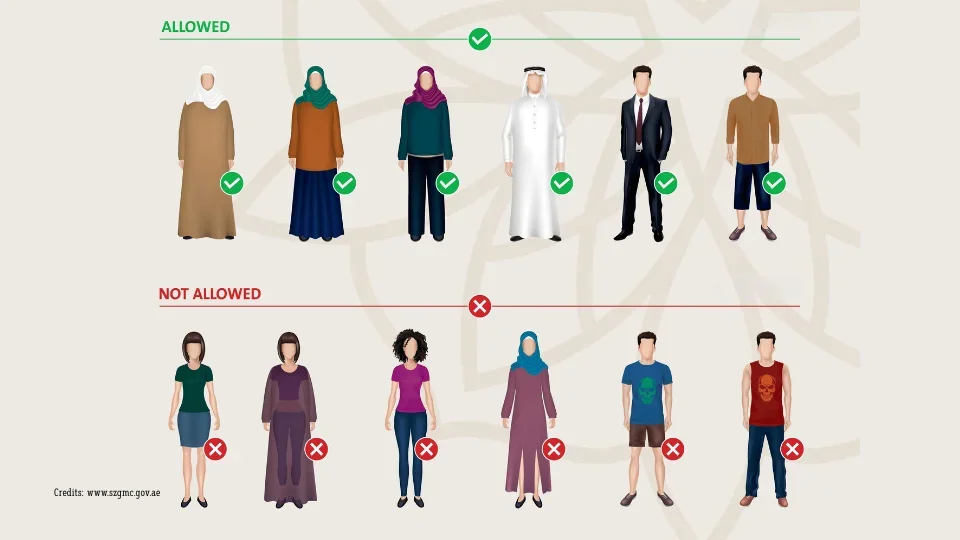
Women should normally cover their hair as well as their shoulders and knees inside active mosque prayer areas. Men should also cover their shoulders and knees. You do not need special religious clothing, but choosing the right outfit before your sightseeing day makes mosque visits much easier.
📌 Mosque Visit Quick Guide
- Dress code: Cover shoulders and knees. Women should normally cover their hair inside active mosque prayer areas.
- Shoes: Remove them before stepping onto the carpet. Clean socks and easy-to-remove shoes are useful.
- Prayer times: Visit between prayers when possible. Tourist access may be restricted for longer around Friday midday prayer.
- Entrance: Most active mosques, including the Blue Mosque and Süleymaniye Mosque, are free; Hagia Sophia has separate tourist access and a ticketed visitor area.

Can Non-Muslims Visit Mosques in Istanbul and Turkey?
Yes. Non-Muslim visitors are generally welcome in historic mosques when they are open for sightseeing. You do not need to take part in prayer or follow Islamic religious practices. You are simply expected to respect the building as an active place of worship.
In Istanbul, some of the most important examples include the Blue Mosque, officially Sultanahmet Mosque, and Süleymaniye Mosque.
A mosque may remain open for worship while temporarily restricting the tourist section. Visitor routes, barriers and entrances can also change during busy periods, religious services or maintenance work, so instructions from mosque staff should always take priority.
What Should You Wear When Visiting a Mosque in Turkey?
The safest rule is to wear modest clothing that covers the shoulders and knees. Avoid very short, transparent or revealing clothing. The same basic principle applies to both men and women.
You do not need to buy a special mosque outfit. Ordinary sightseeing clothes are suitable when they provide enough coverage, and some major mosques have additional coverings available for visitors who need them.
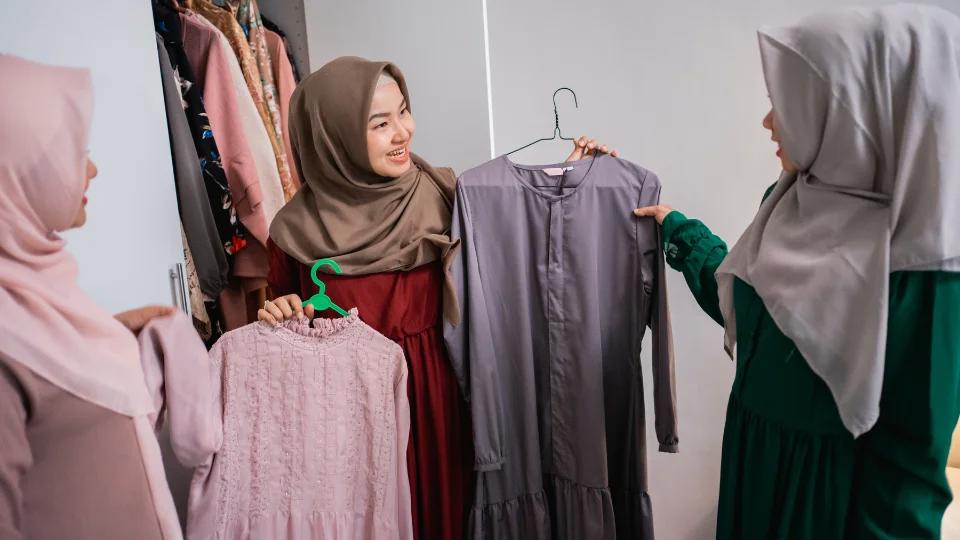
What Should Women Wear in a Mosque?
Women should normally cover their hair, shoulders, chest and knees inside an active mosque prayer area. Loose trousers, long skirts and dresses below the knee are practical options. Sleeveless tops, short skirts, low necklines and transparent clothing should be avoided.
Women can wear trousers in mosques. There is no general rule requiring every female visitor to wear a skirt. What matters is modest coverage. Very tight leggings are better combined with a long, loose shirt, tunic or dress.
A lightweight headscarf is useful to keep in your day bag. Some major mosques provide or offer coverings near the visitor entrance, but availability can vary, so carrying your own scarf is more convenient.
What Should Men Wear in a Mosque?
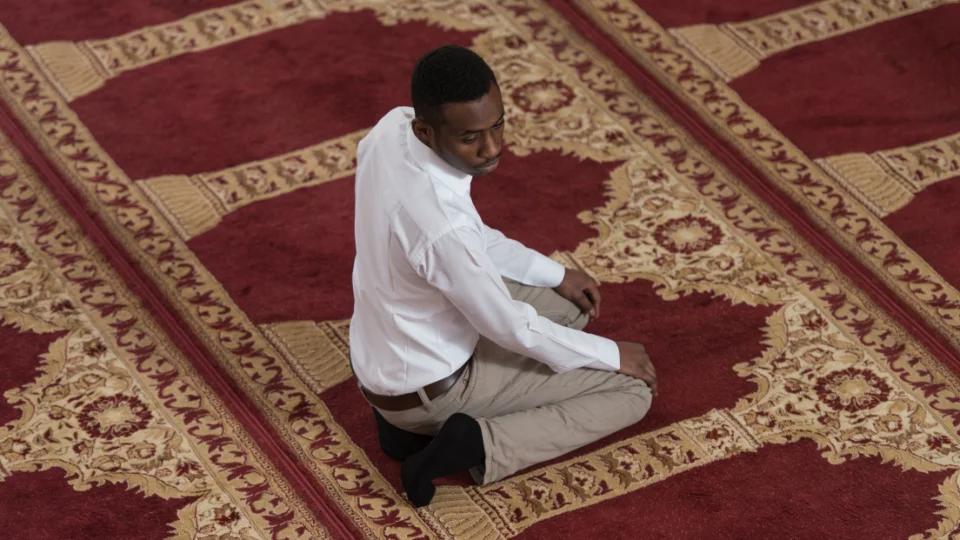
Men should wear clothing that covers the shoulders and knees. Trousers are the simplest choice. If wearing shorts, choose a pair that reaches and covers the knee rather than short athletic or beach-style shorts.
A regular T-shirt or shirt with sleeves is appropriate. Tank tops and sleeveless shirts should be avoided, and hats or caps should be removed before entering the prayer area.
What Should Children Wear?
Dress rules are usually applied more flexibly to young children, but neat and reasonably modest clothing is still appropriate for a religious site. Teenagers should generally follow the same dress guidelines as adults.
Do You Have to Remove Your Shoes Before Entering a Mosque?
Yes. Shoes must be removed before you step onto the carpeted prayer area of an active mosque. Worshippers kneel and place their foreheads on these carpets during prayer, so keeping the floor clean is important.
Shoe racks or cubbies are commonly located near the entrance. At some busy mosques, you may also be able to place your shoes in a bag and carry them with you.
Clean socks are perfectly suitable. If you plan to visit several mosques during the same sightseeing day, shoes that are quick to remove and put back on will save time.
When Is the Best Time to Visit Mosques in Istanbul?
Active mosques are used for five daily prayers, and prayer times change throughout the year according to the Islamic prayer calendar. For sightseeing, the easiest time to visit is normally between prayer periods.
Tourist entry may stop shortly before prayer begins and resume afterward. The exact arrangement depends on the mosque, the day and the number of worshippers, so avoid planning mosque visits with an extremely tight schedule.
Can You Visit Mosques on Fridays?
Yes, but Friday requires additional planning. Friday midday prayer, known as Jumu'ah, is the main weekly congregational prayer and attracts many more worshippers than an ordinary daily prayer.
Tourist areas at active mosques may therefore close for a longer period around Friday midday. If your itinerary is flexible, visiting earlier in the morning or later in the afternoon is usually more convenient.
How Should You Behave Inside a Mosque?
A mosque may be open to sightseeing while people are praying inside, so visitors should move quietly and give worshippers space.
- Keep your voice low: Speak quietly and avoid loud conversations or laughter.
- Silence your phone: Turn off notification sounds and avoid taking calls inside the prayer area.
- Respect people who are praying: Avoid walking directly in front of a person performing prayer when you can pass behind them instead.
- Follow visitor boundaries: Do not cross barriers or enter areas reserved for worshippers.
- Avoid eating and drinking: Keep food and drinks outside the main prayer area.
- Follow staff instructions: Access arrangements may change during prayers, religious holidays or particularly busy periods.
Can You Take Photos Inside Mosques in Turkey?
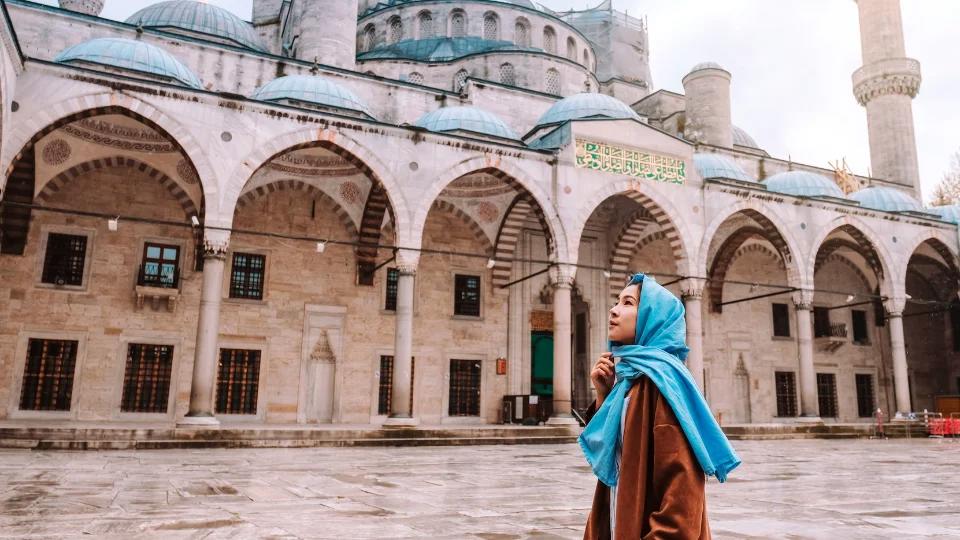
Ordinary photography is allowed in many historic mosques, but rules can vary. Always check signs and follow instructions from mosque staff before taking photographs.
Do not photograph worshippers at close range while they are praying, and avoid intrusive photography around ablution areas where people perform wudu before prayer.
Flash photography, tripods, professional equipment and commercial filming may be subject to additional restrictions even where ordinary handheld photography is permitted.
What Should You Bring for a Mosque Visit?
You do not need specialist equipment, but a few simple items make the visit easier:
- A lightweight scarf for women
- Clothing that covers the shoulders and knees
- Clean socks
- Shoes that are easy to remove
- A small reusable bag for carrying shoes if needed
During hot weather, loose and breathable clothing is usually more comfortable than adding heavy layers immediately before entering. A lightweight long-sleeved shirt or overshirt can provide additional coverage during a full sightseeing day.
Visiting the Blue Mosque, Hagia Sophia and Süleymaniye Mosque
| Mosque | Tourist Entrance | Practical Point |
|---|---|---|
| Blue Mosque | Free | Active mosque; tourist access pauses around prayer times. |
| Hagia Sophia | Separate ticketed visitor area | Sightseeing and worship access are managed separately; visitor routing can change. |
| Süleymaniye Mosque | Free | Active mosque with the same dress and prayer-time considerations. |
Blue Mosque
The Blue Mosque is an active mosque as well as one of the main landmarks of Sultanahmet. Entry to the mosque is free, but visitors must follow the dress code and use the designated visitor route.
Queues can form because of visitor numbers, prayer closures and entrance procedures. A long line does not mean that you need to purchase a Blue Mosque admission ticket from someone outside.
Hagia Sophia
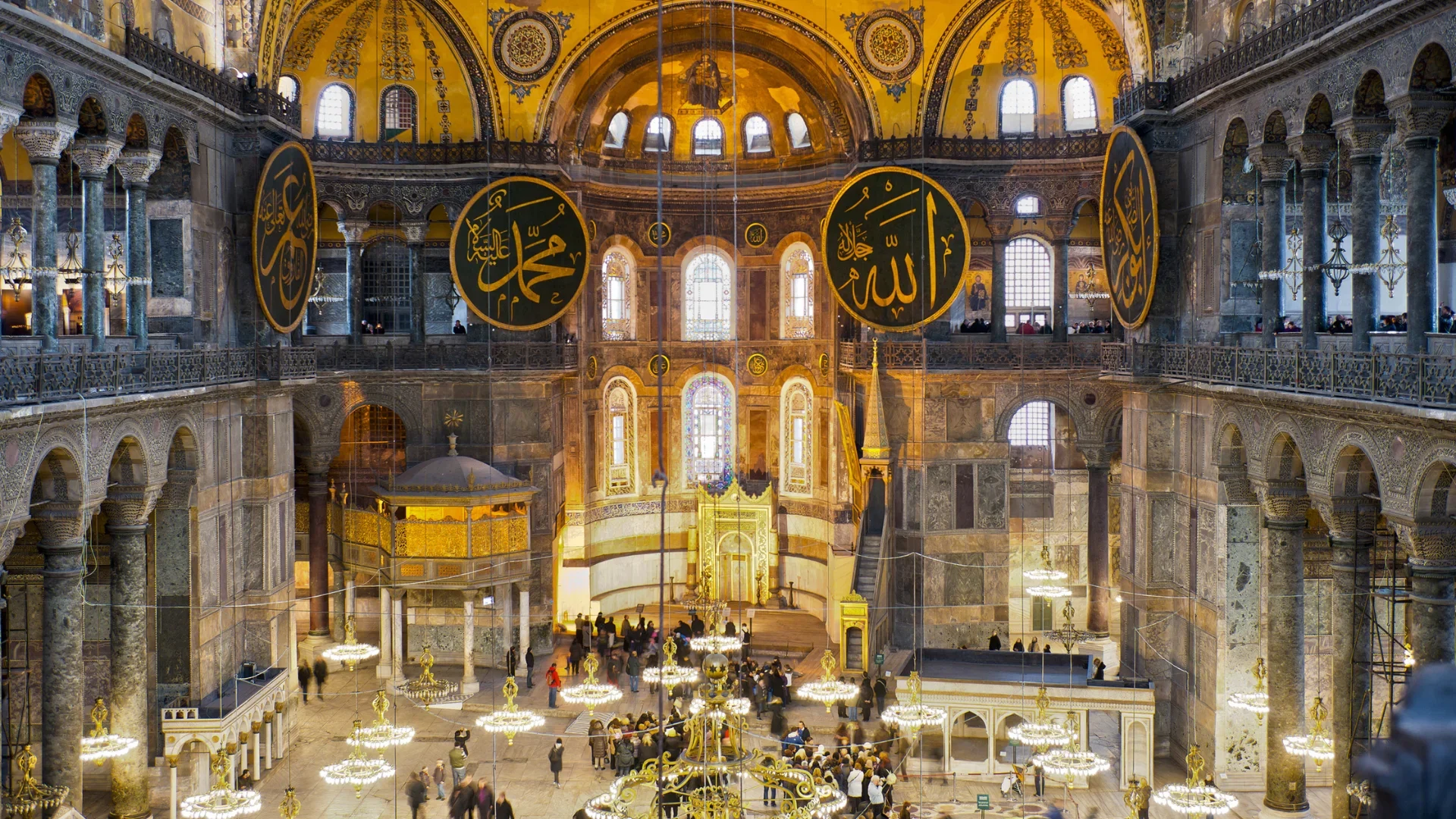
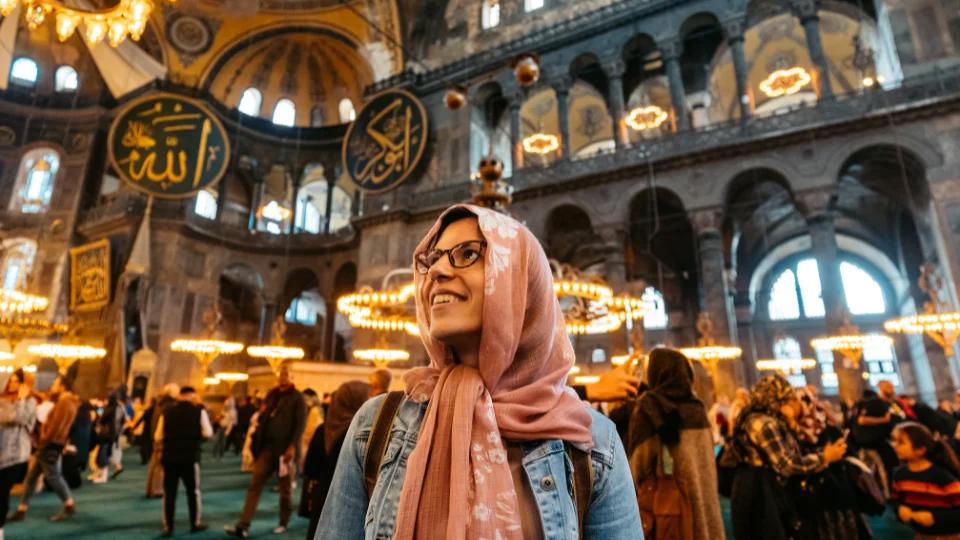
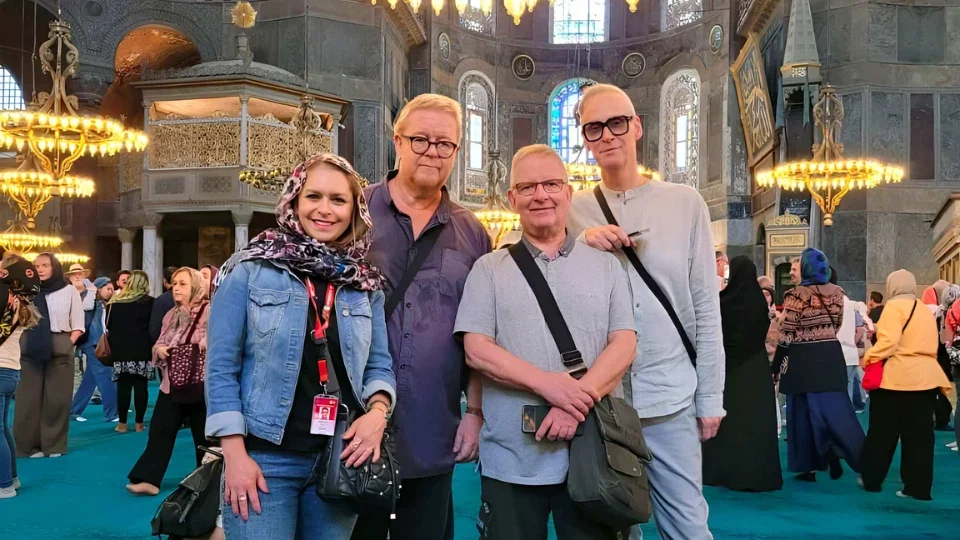
Hagia Sophia is different from most other active mosques in Istanbul because worship and tourist sightseeing are managed through separate access arrangements.
Touristic visitors use a designated visitor route that includes the gallery level, while the main prayer space serves worshippers. The tourist visitor area is ticketed rather than free.
Hagia Sophia is also subject to ongoing conservation and restoration work. For that reason, the exact visitor route, waiting procedures and accessible areas can change. Do not rely on an old map, old screenshot or older article for the precise route on the day of your visit; follow the current entrance signs and staff instructions.
Süleymaniye Mosque
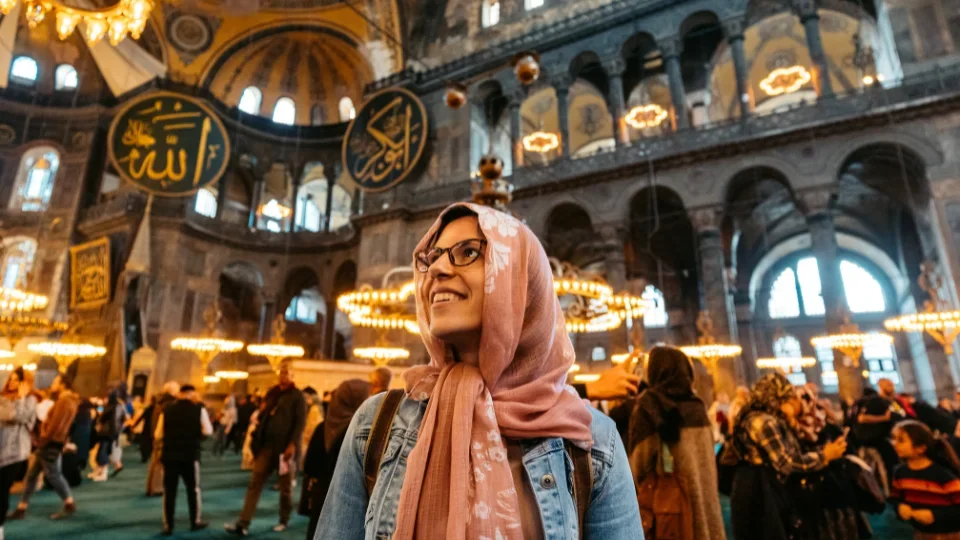
Süleymaniye Mosque is an active Ottoman mosque designed by Mimar Sinan. Entry is free, and visitors should follow the same dress, shoe and prayer-time rules that apply at other active mosques.
Its hilltop position also makes the mosque complex a useful stop for travelers who want to combine Ottoman architecture with views toward the Golden Horn and the historic peninsula.
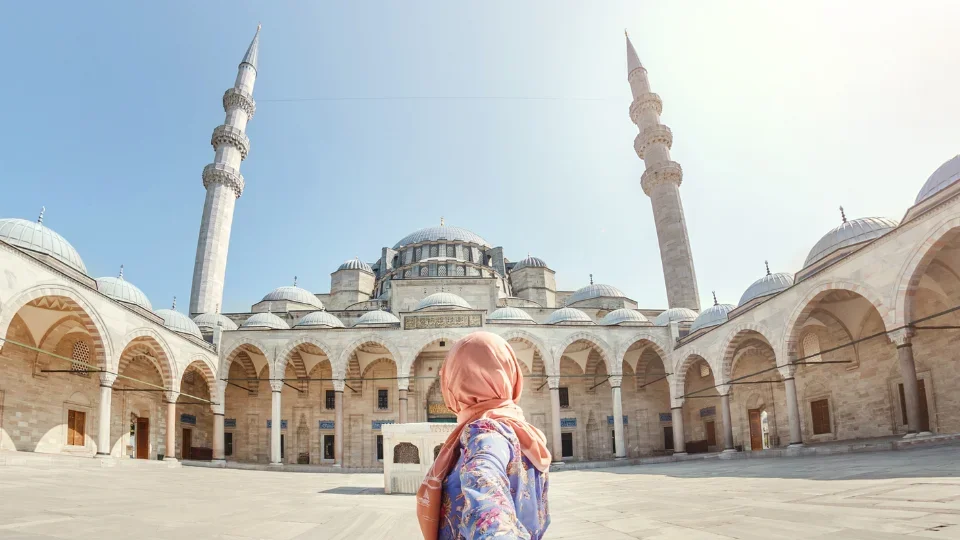
Are Mosques in Istanbul Free to Visit?
Most active mosques in Istanbul are free to enter. The Blue Mosque and Süleymaniye Mosque are examples of active mosques where visitors do not normally buy a standard sightseeing admission ticket.
Hagia Sophia is an important exception because its tourist visitor area is managed separately and is ticketed. Ticket prices and operational arrangements are time-sensitive, so check the current visitor information shortly before your visit rather than relying on an old price.
How Much Time Should You Allow for a Mosque Visit?
For most individual mosques, approximately 30 to 60 minutes is enough to appreciate the architecture and interior without rushing. Add extra time for security procedures, queues, dress-code adjustments and temporary prayer closures at the busiest sites.
If you plan to see Hagia Sophia and the Blue Mosque on the same morning or afternoon, keep the order flexible. The two monuments are close to each other, but prayer schedules and visitor queues can make a rigid timetable impractical.
🎒 Planning Your Mosque Visits in Istanbul?
Prayer times, visitor entrances, dress requirements and temporary access changes can affect the best order for visiting Istanbul's major mosques. Guided Istanbul Tours can help organize a flexible sightseeing day around the conditions at each site.
Contact us today to arrange:
- A licensed local guide for the Blue Mosque, Hagia Sophia and other historic Istanbul landmarks
- A flexible itinerary planned around prayer times, visitor access and the pace of your group
- A private sightseeing route combining Istanbul's mosques with other important Old City attractions
Frequently Asked Questions
Can non-Muslims visit mosques in Istanbul?
Yes. Non-Muslims can visit most historic mosques in Istanbul when they are open to tourists. Visitors should dress modestly, respect worshippers and follow mosque staff instructions.
What should women wear when visiting a mosque in Turkey?
Women should normally cover their hair, shoulders, chest and knees. Loose trousers, long skirts and dresses below the knee are suitable, and carrying a lightweight headscarf is recommended.
Can men wear shorts in mosques in Istanbul?
Men should cover their shoulders and knees. Shorts that properly cover the knee may be suitable, although trousers are the easiest option. Tank tops and sleeveless shirts should be avoided.
Do you have to remove your shoes before entering a mosque?
Yes. Shoes must be removed before stepping onto the carpeted prayer area. Visitors can wear clean socks and normally leave their shoes in a rack or carry them in a bag where this is permitted.
Are mosques in Istanbul free to enter?
Most active mosques, including the Blue Mosque and Süleymaniye Mosque, are free to visit. Hagia Sophia has a separately managed and ticketed tourist visitor area.