The Odyssey Movie: Real Troy, Filming Locations & Travel Guide
Millions of people have watched Hollywood movies about Troy. Millions more are now waiting for Christopher Nolan's The Odyssey movie, one of the most anticipated films of recent years. But here is something many movie fans do not know. The real Troy never disappeared. You can still walk through its streets today.
You can stand beside walls that are more than 3,000 years old. You can visit the museum where archaeologists continue to reveal new discoveries. You can even see the famous wooden horse from the 2004 Hollywood blockbuster Troy starring Brad Pitt. For many travelers, this is the biggest surprise of all.
The Odyssey may be one of the greatest stories ever written, but its world is much closer than most people imagine. If the new movie inspires you to learn more, the best place to begin is not a cinema. It is the ancient city of Troy in northwestern Turkey.
Why Is Everyone Talking About The Odyssey Movie?
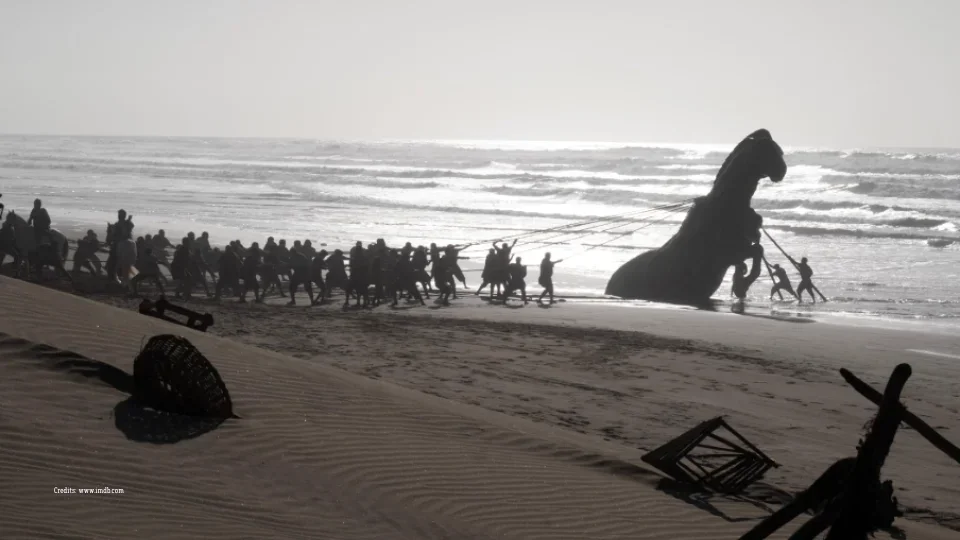
Christopher Nolan has never been interested in making ordinary films. His movies combine breathtaking visuals with powerful storytelling. That is one reason why The Odyssey movie has attracted so much attention long before its release. Based on Homer's epic poem, the film follows Odysseus after the Trojan War. His journey home should have taken only a few weeks. Instead, it becomes an adventure that lasts ten years.
Along the way, he faces storms, monsters, dangerous islands and the anger of the sea god Poseidon. Yet the greatest battles are not always fought with swords. Odysseus survives because he thinks differently. He observes. He adapts. He never stops looking for another solution. That is why many historians describe him as one of literature's first great strategists rather than its strongest warrior.
Before Christopher Nolan, Another Movie Made Troy Famous
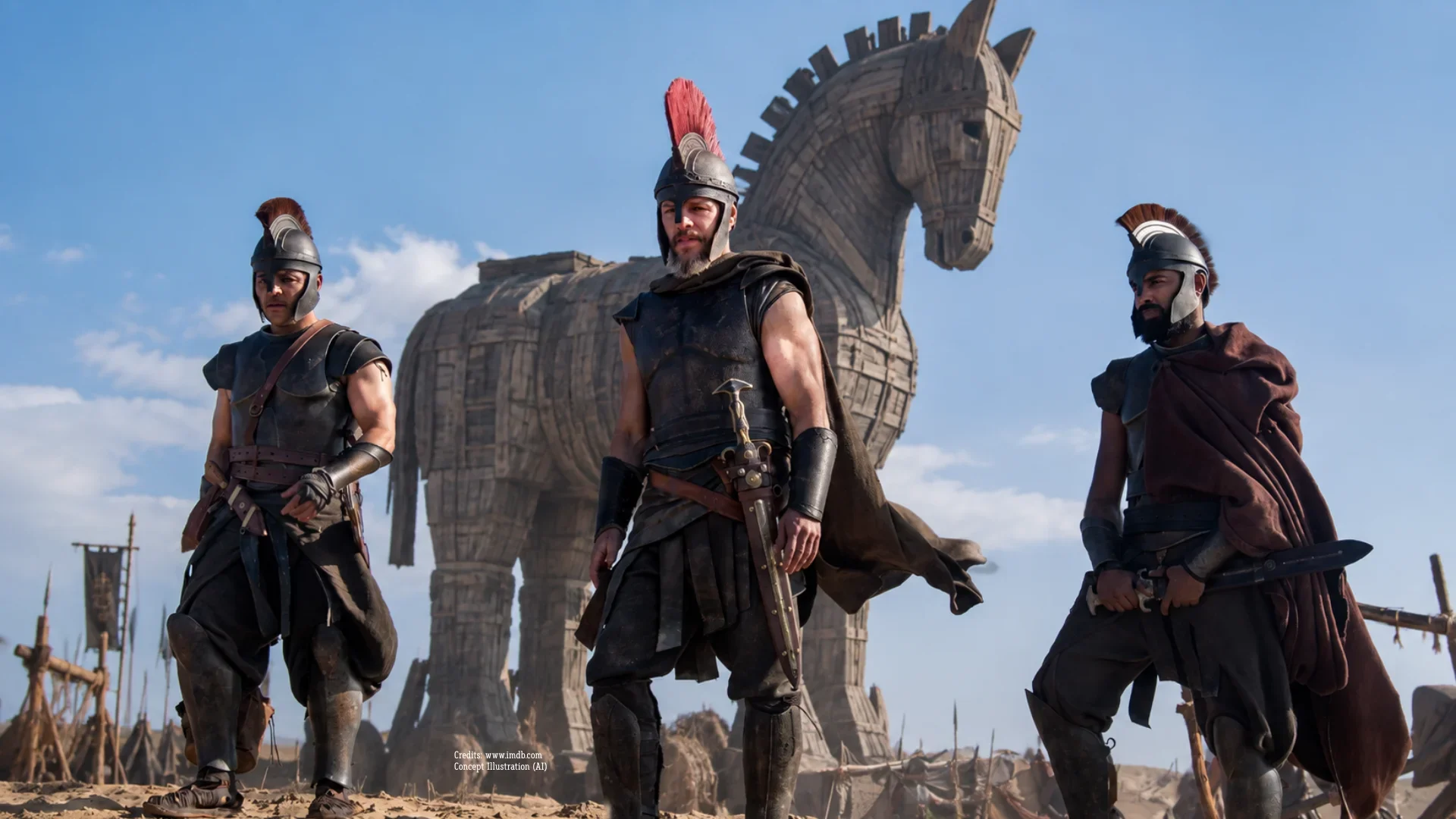
Long before The Odyssey movie, another Hollywood production introduced millions of people to the legendary city. In 2004, Troy, starring Brad Pitt, Eric Bana and Orlando Bloom, became one of the biggest historical films ever made. Although historians debated its accuracy, the movie sparked enormous interest in the real city of Troy. Visitor numbers increased as travelers wanted to discover whether the famous legend had any connection to reality.
More than twenty years later, Christopher Nolan's adaptation is expected to create a similar wave of interest. Many people will search for Troy after watching the movie. Many will be surprised to discover that the city is not hidden inside mythology.
The Hollywood Trojan Horse Never Left Turkey
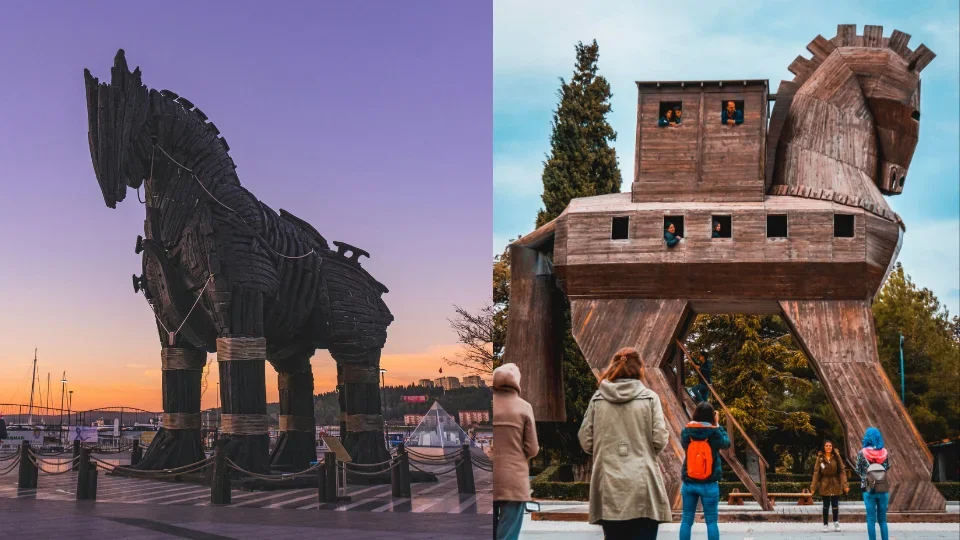
The enormous wooden horse built for the 2004 movie Troy was never destroyed after filming finished. Instead, Warner Bros. donated it to the city of Canakkale. Today, the horse stands proudly on the city's waterfront overlooking the Dardanelles. Visitors can walk around it, take photographs and stand beside one of Hollywood's most famous movie props. Very few people expect to find a piece of Hollywood history during a trip through western Turkey. Even fewer realize they can visit the movie horse and the real archaeological site of Troy on the same day. A Full-Day Private Troy Tour from Istanbul allows you to discover the archaeological site, learn the fascinating history behind Homer's epic and visit the award-winning Troy Museum in one unforgettable day.
There Are Actually Two Trojan Horses In Turkey
Many travelers believe there is only one famous Trojan Horse. There are actually two. The first is the Hollywood horse from the 2004 movie Troy.
The second stands near the entrance to the archaeological site itself. It is a reconstruction built for visitors who want to experience the legend up close. You can even climb inside and look through its windows, imagining what the Greek soldiers might have seen according to the famous story.
Seeing both horses during one trip creates a fascinating contrast between Hollywood storytelling and ancient history.
The Real Troy Is Even More Incredible Than The Legend
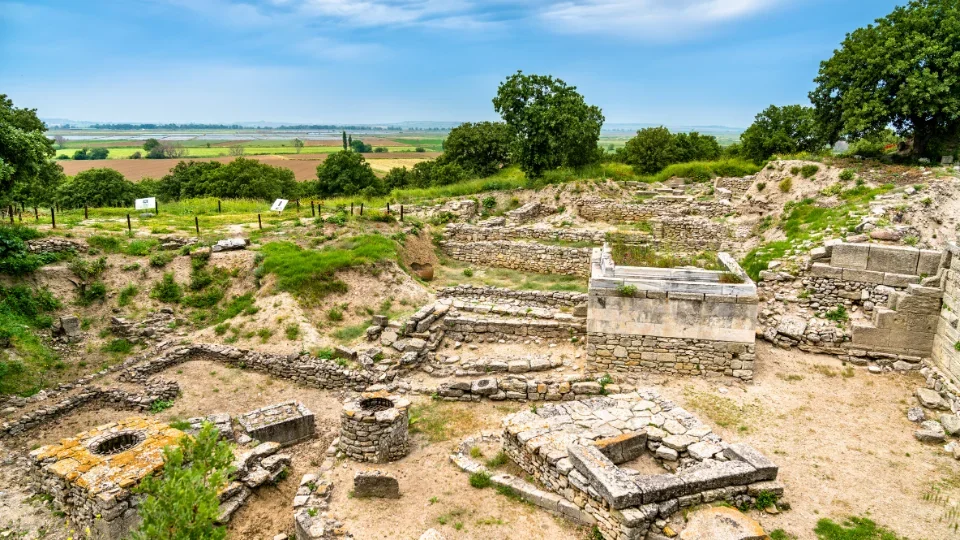
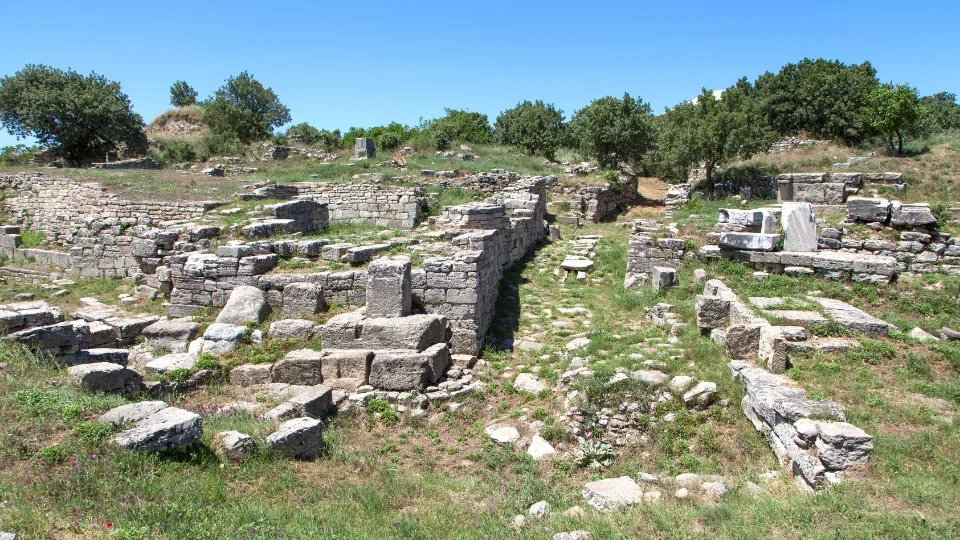
Many visitors arrive expecting to see one ancient city. Instead, they discover something almost impossible to imagine. Troy is actually a collection of at least nine different cities, built one above another over nearly four thousand years. When archaeologists excavated the site, they realized each civilization had left its own ancient city walls, streets, homes and temples beneath the next. Standing inside Troy means standing in several different historical periods at the same time. Few archaeological sites in the world offer an experience like this. It is one of the main reasons why Troy became a UNESCO World Heritage Site.
Travelers looking for a richer historical experience often choose the 2-Day Private Gallipoli & Troy Tour from Istanbul. It combines the UNESCO-listed ruins of Troy with the moving memorials of Gallipoli, creating one of Turkey's most rewarding cultural journeys.
The Story Of Troy Is Still Being Written
Many people think archaeologists solved the mystery of Troy long ago. The truth is very different. Excavations continue today. Modern researchers use drones, laser scanning and ground-penetrating radar to explore areas that earlier archaeologists could never reach. Every new discovery helps historians understand how the city changed during thousands of years of trade, war and rebuilding. Some experts still debate which archaeological layer may represent the Troy described by Homer. That means the search for the real Troy is still continuing.
Why Was Troy One Of The Most Powerful Cities In The Ancient World?
Most people think the Trojan War happened because of Helen of Troy. Historians believe the real reason may have been something far more valuable.
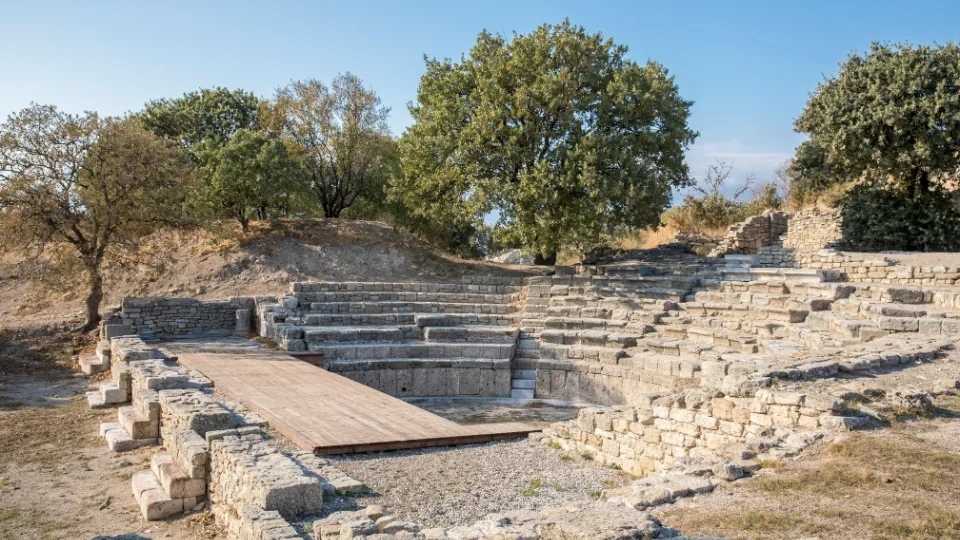
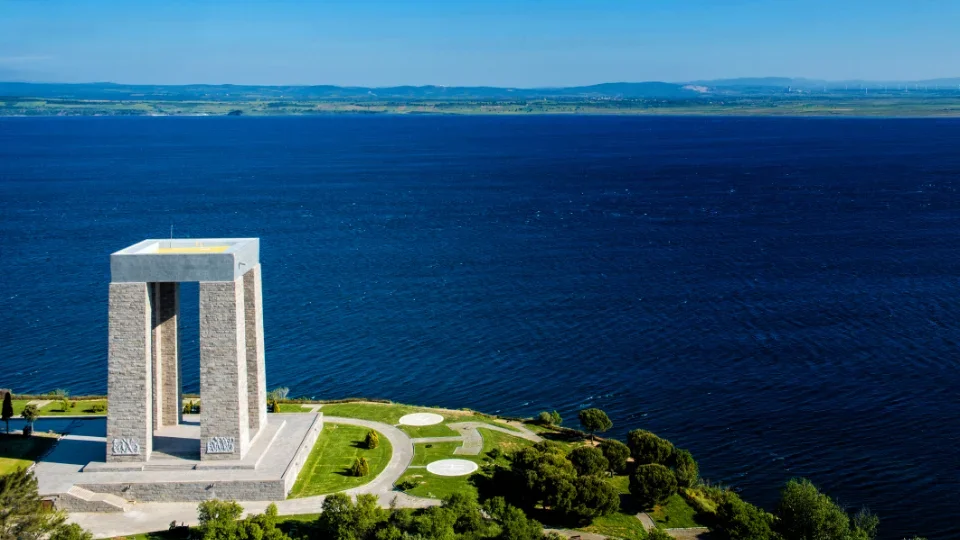
Thousands of years ago, Troy stood beside the Dardanelles, one of the world's most important waterways. Every ship traveling between the Aegean Sea and the Black Sea passed nearby. Whoever controlled this narrow passage controlled one of the busiest trade routes of the Bronze Age. Imagine hundreds of merchant ships carrying copper, tin, gold, wine, olive oil and textiles. They all sailed close to Troy. For many historians, this explains why the city became so wealthy and why powerful kingdoms may have wanted to control it. Suddenly, the Trojan War looks less like a romantic legend and more like a struggle for one of the ancient world's most valuable locations. Today, visitors standing on the hills of Troy can still see the Dardanelles stretching toward the horizon. The landscape helps explain why this city became one of history's greatest prizes.
The Treasure Hunter Who Changed History Forever
If Troy had one real-life adventurer, it was Heinrich Schliemann. In the nineteenth century, many scholars believed Homer's story was nothing more than a myth. Schliemann disagreed. He became convinced that Troy was real and spent years searching for it. In 1873, he announced that he had discovered the legendary city. His discovery shocked the world.
However, there was one problem. Schliemann was so eager to find Homer's Troy that he dug too deeply and too quickly. In the process, he accidentally destroyed parts of later archaeological layers that researchers would have preferred to study. Today, archaeologists continue to investigate the site using modern methods. Many of Schliemann's discoveries were extraordinary, but new excavations have revealed a much more complex history than anyone imagined in the nineteenth century. The search for the real Troy is still not over.
What Christopher Nolan's Movie Cannot Show
Even the longest movie cannot tell the whole story of Troy. For example, few viewers realize that the city changed dramatically over thousands of years. The coastline looked very different during the Bronze Age. Ships could sail much closer to Troy than they can today because the ancient harbor had not yet filled with sediment carried by nearby rivers.
The archaeological site also tells only part of the story. Just a few minutes away stands the award-winning Troy Museum, one of Turkey's finest archaeological museums. Inside, visitors discover beautifully preserved jewelry, pottery, weapons, statues and everyday objects used thousands of years ago. These artifacts help transform Homer's legendary world into something real and tangible. Many travelers say the museum completely changes the way they understand The Odyssey and the Trojan War.
If you would like to explore more than just Troy, the 3 Days Private Turkey Tour; Gallipoli, Troy, Pergamon and Ephesus offers an unforgettable journey through some of Turkey's most remarkable historical sites. From Homer's legendary city to the magnificent ruins of Ephesus, each destination reveals a different chapter of ancient history.
Can You Visit The Real Troy Today?
Troy is one of the easiest UNESCO archaeological sites to visit in Turkey. It is located near the city of Canakkale, about a five-hour drive from Istanbul. Many travelers choose a day trip from Canakkale. Others include Troy as part of a longer journey through western Turkey together with Gallipoli, Pergamon, Ephesus or Istanbul. A guided visit is highly recommended because much of the site's history is hidden beneath the surface. Without expert explanations, many visitors simply see piles of ancient stones. With a knowledgeable guide, every wall, gateway and foundation becomes part of an extraordinary story.
If you plan to visit several archaeological sites during your trip, consider purchasing the Museum Pass Türkiye. The pass includes entry to Troy and many other state-run museums and ancient sites across Turkey, making it a convenient and cost-effective option for history lovers.
Imagine Visiting Troy At Sunrise
The best time to experience Troy is often early in the morning. The crowds have not yet arrived. The only sounds are birds and the gentle wind moving across the ancient stones. Soft sunlight slowly reaches the old city walls. Long shadows stretch across foundations that have survived for thousands of years. Standing there, it becomes surprisingly easy to imagine soldiers preparing for battle or merchants arriving after long sea voyages. This is one of those rare places where history feels alive.
FAQ About The Odyssey Movie And Troy
Is The Odyssey Movie Based On A True Story?
The movie is based on Homer's epic poem. The story combines mythology with historical elements. While Odysseus' adventures belong largely to legend, archaeologists agree that the ancient city of Troy was real.
Where Was The Odyssey Movie Filmed?
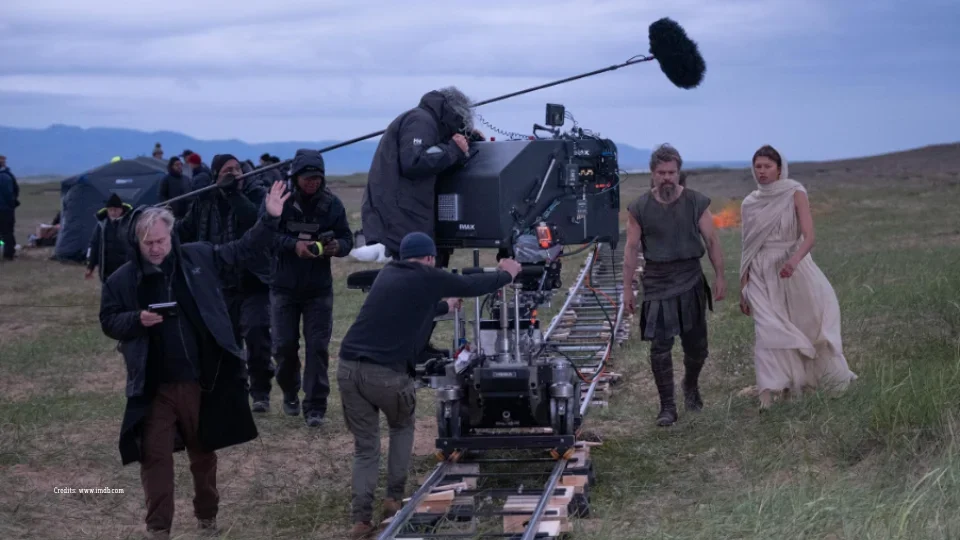
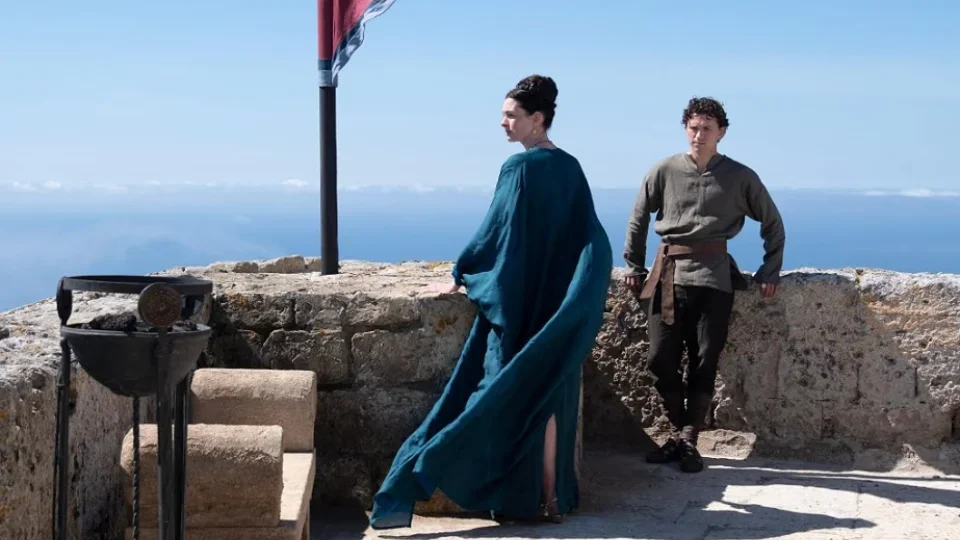
Christopher Nolan filmed the movie in several countries, including Greece, Sicily, Malta, Morocco, Scotland and Iceland. These landscapes recreate the dramatic world of Homer's epic.
Was The 2004 Movie Troy Filmed In Turkey?
Most of the movie was filmed in Malta and Mexico. However, its legacy remains in Turkey because the original Hollywood Trojan Horse was donated to the city of Canakkale after filming.
Can You See The Original Hollywood Trojan Horse?
The famous wooden horse from Troy (2004) still stands on the Canakkale waterfront. It has become one of the city's most popular landmarks.
How Long Does It Take To Visit Troy?
Most visitors spend two to four hours exploring the archaeological site and the Troy Museum. A guided tour provides a much richer experience.
Is Troy Worth Visiting?
Whether you love history, archaeology, mythology or cinema, Troy offers one of the most unique travel experiences in Turkey.
The Real Adventure Begins After The Movie Ends
Christopher Nolan's The Odyssey will introduce millions of viewers to one of history's greatest stories. But the movie is only the beginning. The real adventure starts in Turkey.
Standing among the ruins of Troy changes the way people think about Homer. Legends suddenly become places you can visit. Ancient battles become real landscapes. The famous Trojan Horse becomes more than a symbol. It becomes part of a journey that connects mythology, archaeology and modern travel.
Very few destinations allow you to walk through nearly four thousand years of history, visit a UNESCO World Heritage Site and stand beside a famous Hollywood movie prop on the same day. That is what makes Troy unforgettable. If The Odyssey movie inspires you to explore the real world behind Homer's epic, now is the perfect time to visit. Contact us today to book your private Troy tour or discover one of Turkey's unforgettable historical journeys with an expert guide.