Why Is Hair Transplant in Turkey Popular in 2026?
Hair transplant in Turkey is very popular in 2026. Clinics use modern surgical systems. Many centers work with micromotors, sapphire blades and very small punches. These tools protect the grafts. They keep the channels clean and controlled. Doctors can create natural angles with better precision. Turkey also offers good prices and multilingual medical teams. This combination makes the country a strong medical tourism destination.
Hair Transplant Techniques in Turkey
FUE Extraction (Follicular Unit Extraction)
FUE is the most common method in Turkey. Surgeons use 0.6–0.95 mm punches. These punches create small cuts that heal fast. Clinics use micromotors with controlled speed. Speed usually stays between 3500 and 6000 RPM. Doctors limit punch depth to 2.5–3 mm. This protects the follicle roots. Grafts stay in chilled saline at 4–8°C. This keeps the grafts strong. Success rate is usually 92–95 percent.
DHI (Direct Hair Implantation)
DHI uses implanter pens for direct placement. Most clinics use 0.6–0.7 mm tips. These tips allow dense packing. Doctors control angulation at 30–45 degrees. Technicians load the pens fast. This protects graft hydration. DHI works well for hairlines and temples. Success rate is usually 95–97 percent.
Sapphire FUE
Sapphire blades open channels in this method. Blade size is usually 1.0–1.5 mm. Sapphire creates smooth and clean lines. Healing becomes faster. Density can rise to 55–65 grafts per cm². This method is ideal for natural and sharp hairlines.
How Many Grafts Do You Need?
The number of grafts depends on the target area.
- Hairline needs 800–1500 grafts.
- Frontal zone needs 1500–2500 grafts.
- Crown needs 1200–2000 grafts.
- Full head often needs 3500–5000 grafts.
Doctors avoid overharvesting. Safe extraction usually stays under 20–25 percent of donor follicles.

2026 Hair Transplant Cost in Turkey
Turkey offers strong results at affordable prices.
- FUE (3000–5000 grafts): €1800–€2800
- DHI: €2200–€3500
- Mega session 5000+ grafts: €3000–€4200
(These prices do not provide the certain amounts, they are just the average range. Please check with your clinic about the prices.)
Packages often include surgeon supervision, anesthesia, PRP or exosome therapy, medications and follow-up washing.
What Happens on the Procedure?
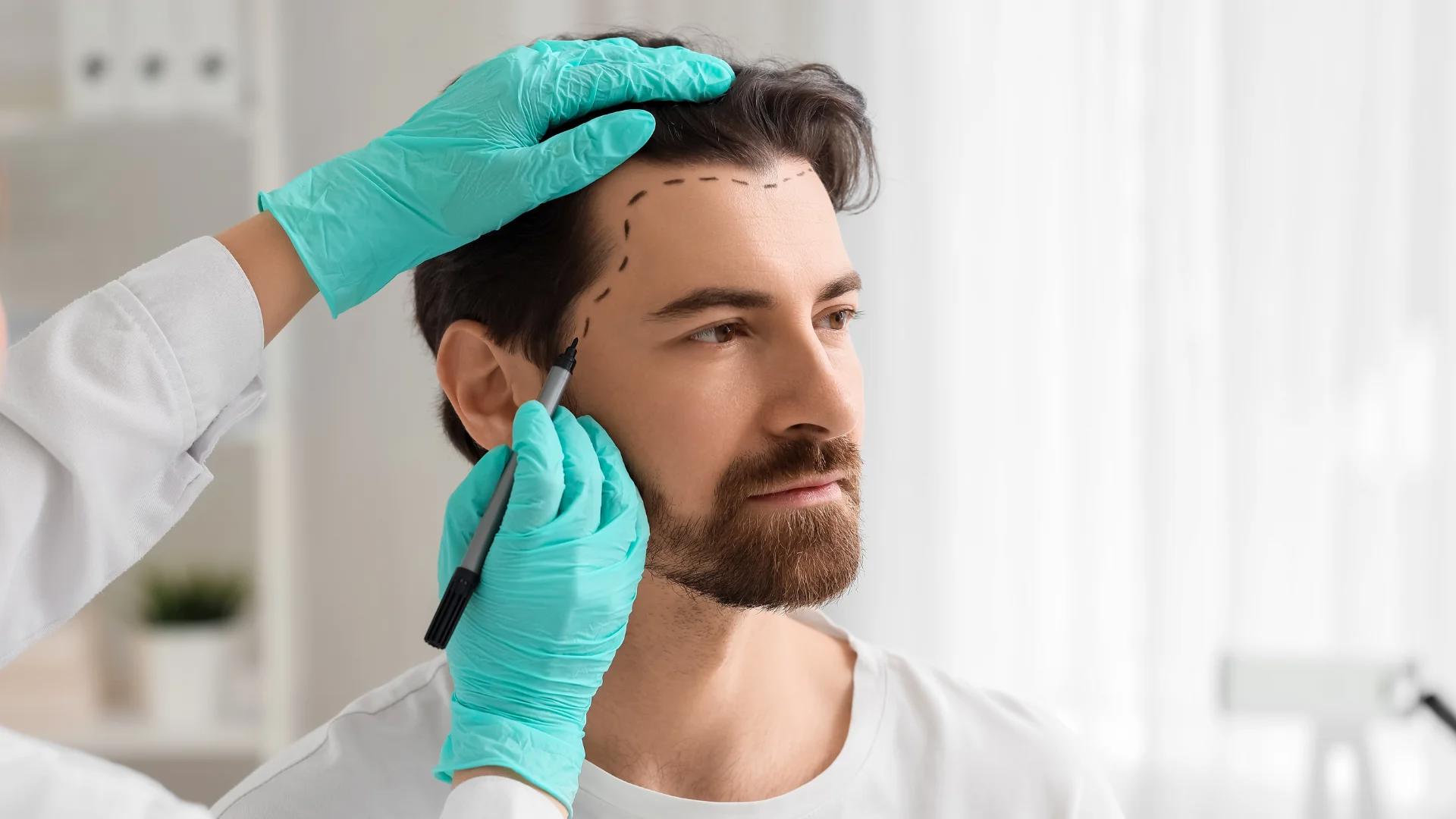
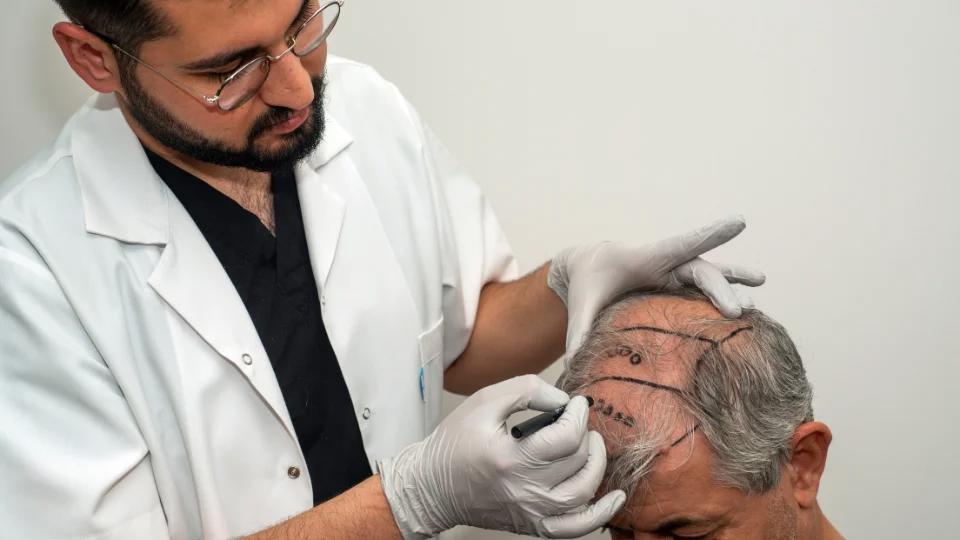
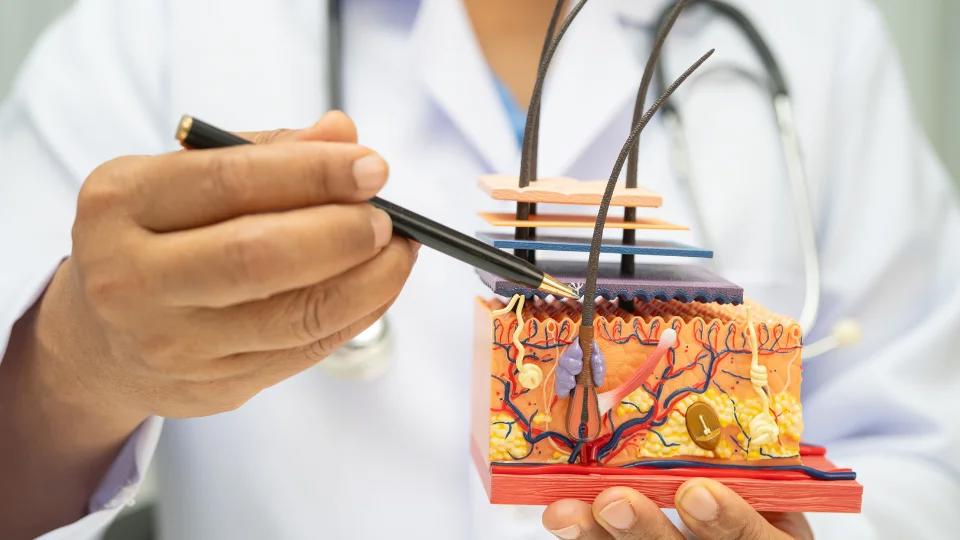
1. Pre-Operative Assessment: Doctors check donor density. Ideal density is usually 60–90 follicles per cm². They use trichoscopy to examine scalp health. The hairline is drawn with simple ratio rules. Patients take blood tests such as CBC and coagulation tests.
2. Local Anesthesia: Doctors use lidocaine and bupivacaine. They add epinephrine to reduce bleeding. This mix keeps the area numb and stable.
3. Extraction: Surgeons use punches between 0.7 and 0.9 mm. The micromotor stays between 3000 and 5000 RPM. Extracted grafts go into cold solutions that protect living tissue.
4. Channel Opening: Doctors use sapphire blades or implanter pens. They follow natural growth direction. They keep the angle between 30 and 45 degrees.
5. Implantation: The medical team places each graft with care. They protect blood flow. They manage spacing to avoid damage.
Recovery Timeline
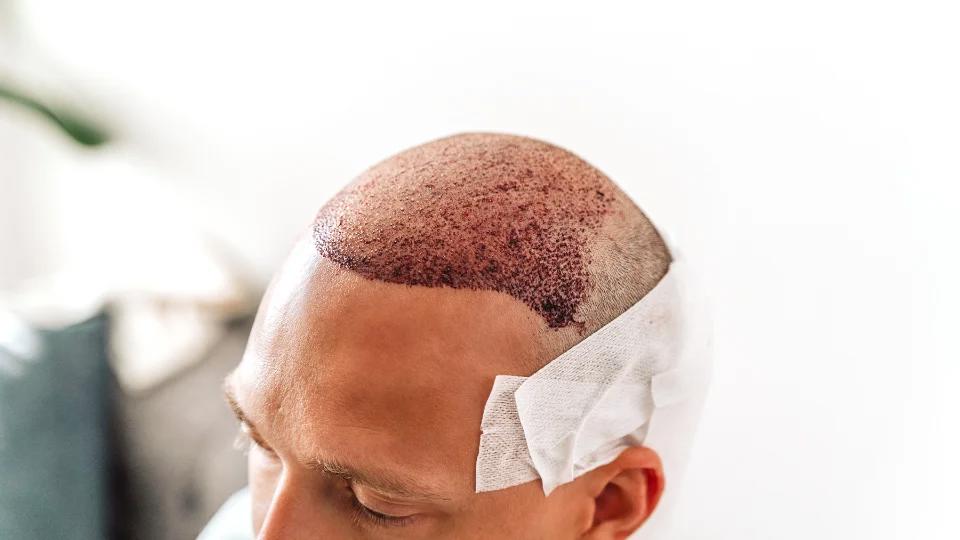
- Day 1–3: Swelling may appear. Patients spray saline often.
- Day 5–7: Crusting forms. Gentle washing begins.
- Week 2–3: Shock loss may start.
- Month 1–3: Regrowth begins.
- Month 6: Visible changes appear.
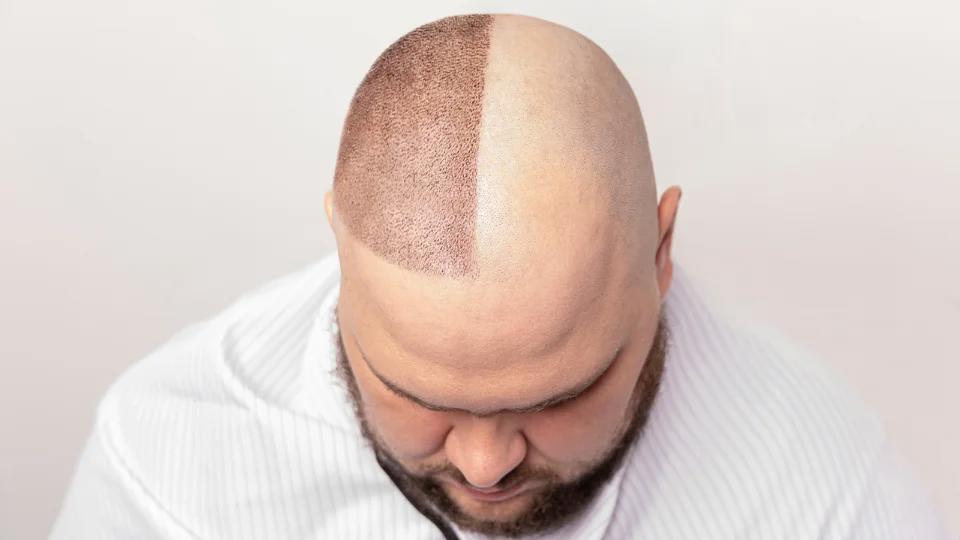
- Month 12–15: Final results become clear.
FAQ
How long should I stay in Turkey?
Most patients stay 5–7 days.
Can I wear a hat?
A soft surgical hat is safe after 72 hours.
When can I return to sports?
Light sports are safe after 2 weeks. Gym sessions are safe after 30 days. Sauna is safe after 45 days.
Is the result permanent?
Yes. Donor hair resists DHT. It grows for life.
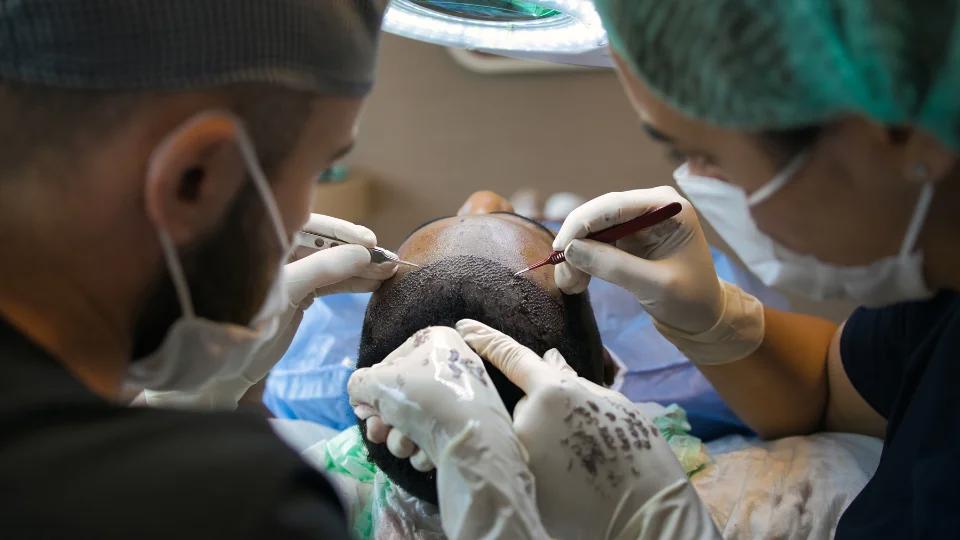
How to Choose a Safe Clinic?
- Patients should check a few key points.
- The clinic must have a valid Ministry of Health license.
- A surgeon must supervise the procedure.
- Punch size should stay under 1 mm.
- Rooms must be sterile.
- Grafts must be counted clearly.
- Donor safety must be a priority.
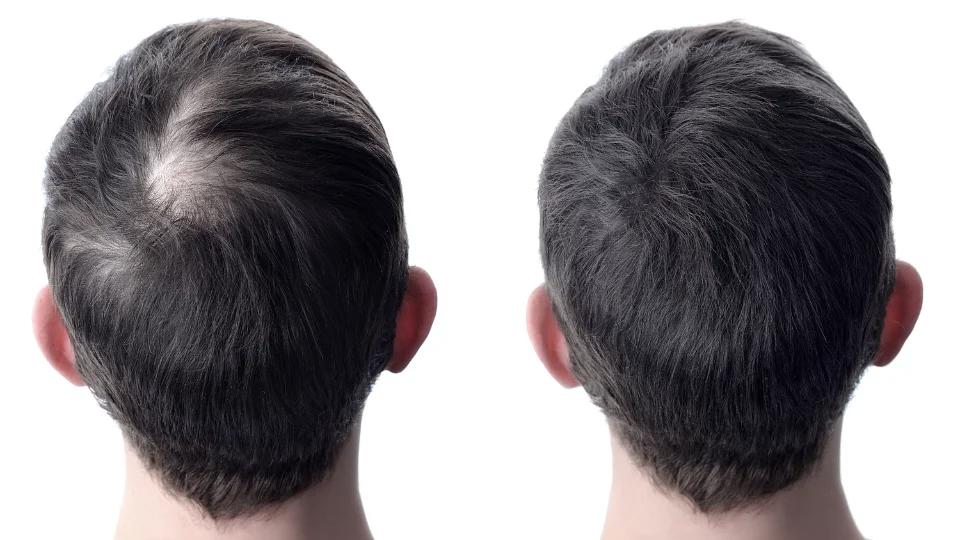
- Before–after photos must be real.
- Coordinators must speak your language, at least English.
Which Tours Are Safe After Transplantation?
The first 7 days after a hair transplant are very critical. The grafts sit loosely in the channels. The scalp reacts to external factors quickly. Several risks can affect the healing process:
- Sweating increases the chance of graft loss.
- Sun exposure may cause UV damage to new grafts.
- Bending forward increases swelling.
- Accidental impact can displace grafts.
- Dusty environments raise infection risk.
For this reason, patients should choose non-tiring activities. Safe tours take place in closed areas or vehicles. They also offer low sun and low wind exposure. These factors protect the grafts during the fragile period.
If you want a safe and successful hair transplant in 2026, contact us today to plan your procedure and create your medical travel plan.