
The Flavors of the Black Sea: Turkey's Most Unusual Regional Cuisine
Black Sea Turkey cuisine feels very different from food in Istanbul, Cappadocia or the Aegean coast. This region has green mountains, rainy weather, strong tea culture and a long fishing tradition. The food is simple, warm and full of local taste.
The main stars are hamsi, corn bread, butter, beans, collard greens and local cheese. Travelers often know kebab, baklava and meze before visiting Turkey. Yet Black Sea Turkish food shows another side of the country. A wider Turkey regional food guide can include many famous cities. Still, Trabzon, Rize, Ordu, Giresun and Artvin deserve special attention. Their food culture feels local, bold and deeply connected to nature.
Why Black Sea Turkish Food Tastes So Different?
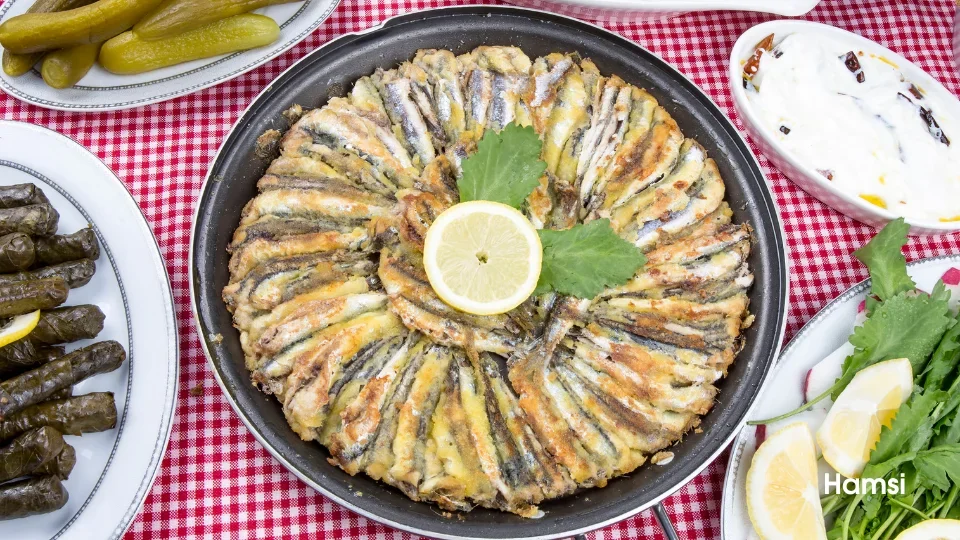
The Black Sea region has a cool and rainy climate. This changes the local kitchen. Wheat is less common in many old village recipes. Corn became more important in daily meals. That is why dark corn bread appears on many tables. Fresh fish also shapes the food. The most famous fish is hamsi. Locals use it in many ways. They fry it, bake it and cook it with rice. They even use it in soups or pastries. Green vegetables are also important. Collard greens are used in soups, rolls and home-style stews. Beans are cooked with butter. Local dairy gives many dishes a rich taste.
Where to Find the Best Black Sea Food?
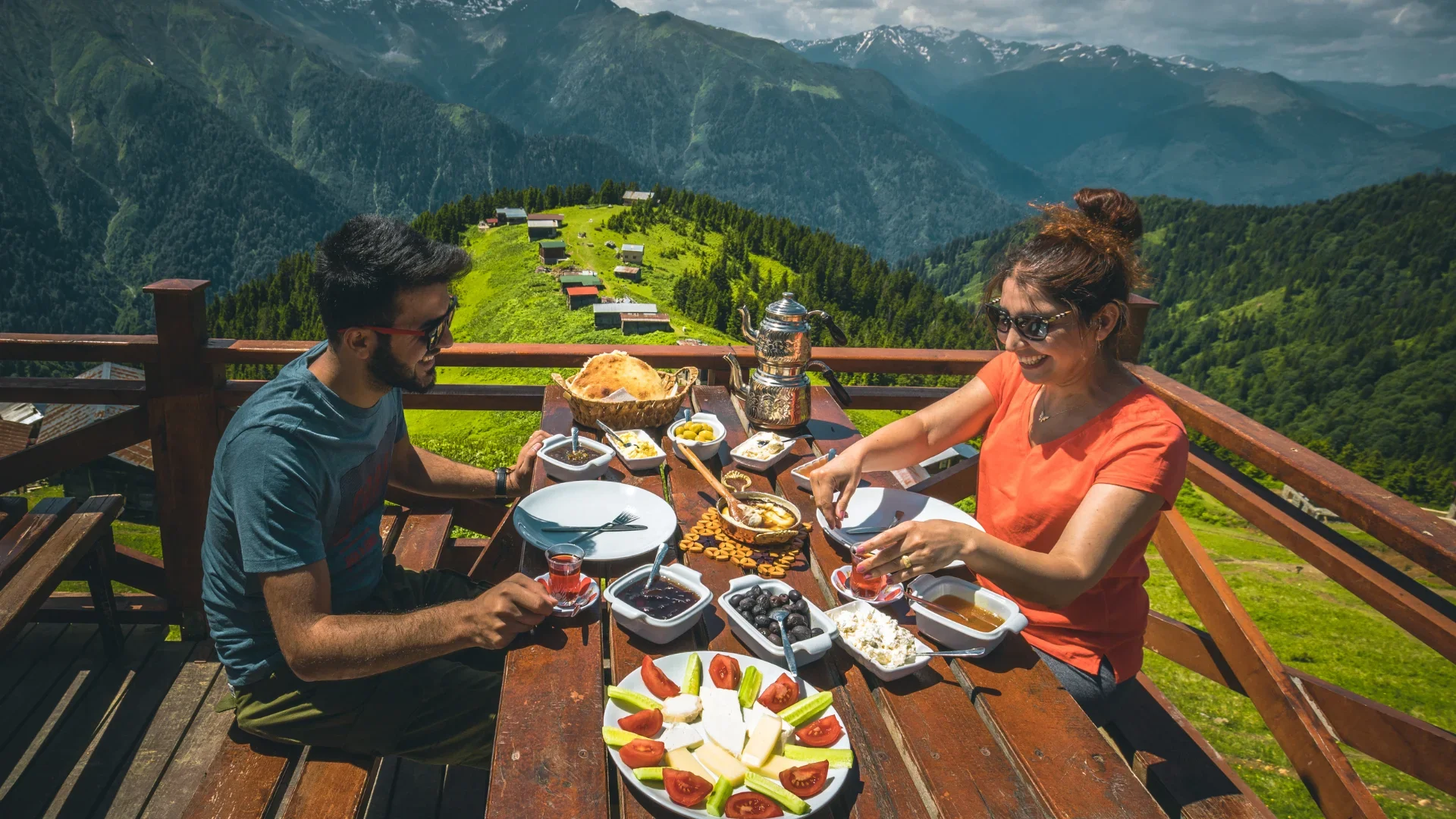
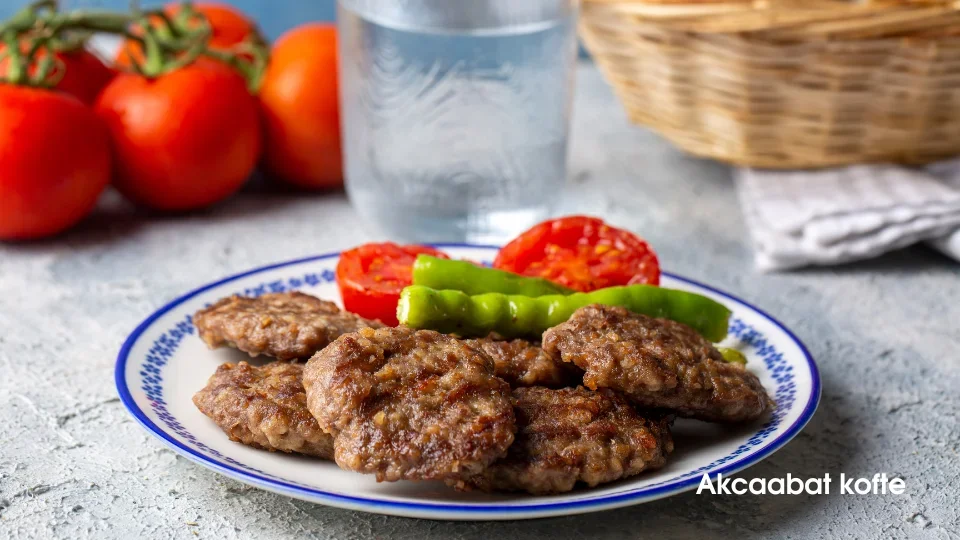
The best place to taste this cuisine is the Black Sea region itself. Trabzon is best for kuymak, pide, hamsi and Akcaabat kofte. Rize is best for tea culture, village breakfast and green dishes. Giresun and Ordu are also good for fish, hazelnuts and local home cooking. Istanbul also has Black Sea restaurants. Many are run by families from Trabzon or Rize. This is a good option if your trip does not include the north coast.
Still, food tastes different near its source. A hot kuymak in a mountain village feels more real than the same dish in a big city.
Trabzon Cuisine: Hamsi, Kuymak and Pide
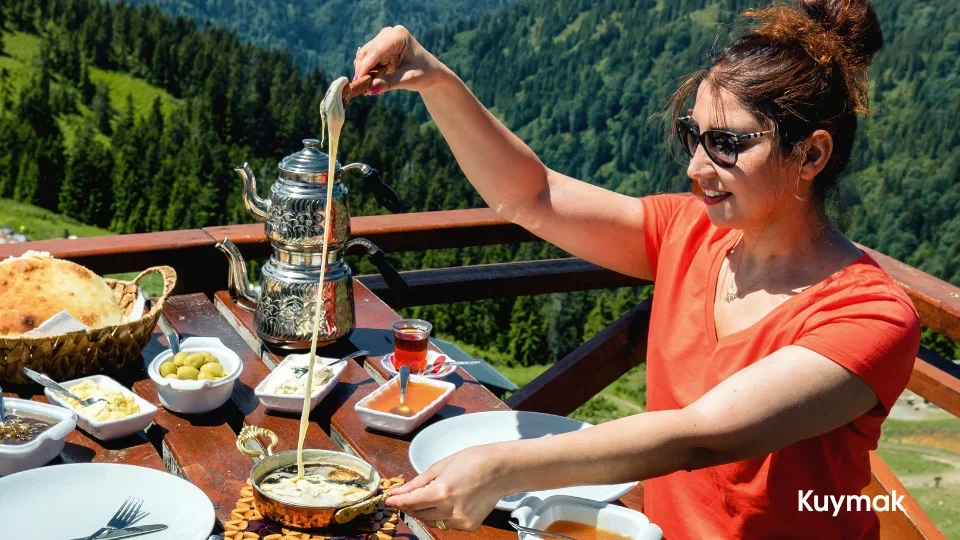
Trabzon cuisine is one of the best-known parts of Turkey Black Sea food. The city is famous for kuymak. Kuymak is a hot dish made with corn flour, butter and local cheese. It is also called muhlama in some places. It stretches like melted cheese. It is often eaten for breakfast.
Trabzon pide is another must-try food. It is a boat-shaped baked dough. It can come with cheese, minced meat or egg. It is simple, filling and very popular with local families.
Hamsi Turkey Anchovy: Small Fish with Big Fame
Hamsi is not just a fish in the Black Sea. It is part of local identity. Many families wait for hamsi season with real excitement. Hamsi tava is fried anchovy. It is crispy and easy to eat. Hamsili pilav is more special. Rice is cooked with spices. Anchovies cover the rice like a thin layer. Then the dish is baked. Hamsi bugulama is a softer version. Anchovies are cooked with onion, tomato, lemon and herbs. This dish is lighter than fried hamsi. It is a good choice for travelers who want a warm seafood meal.
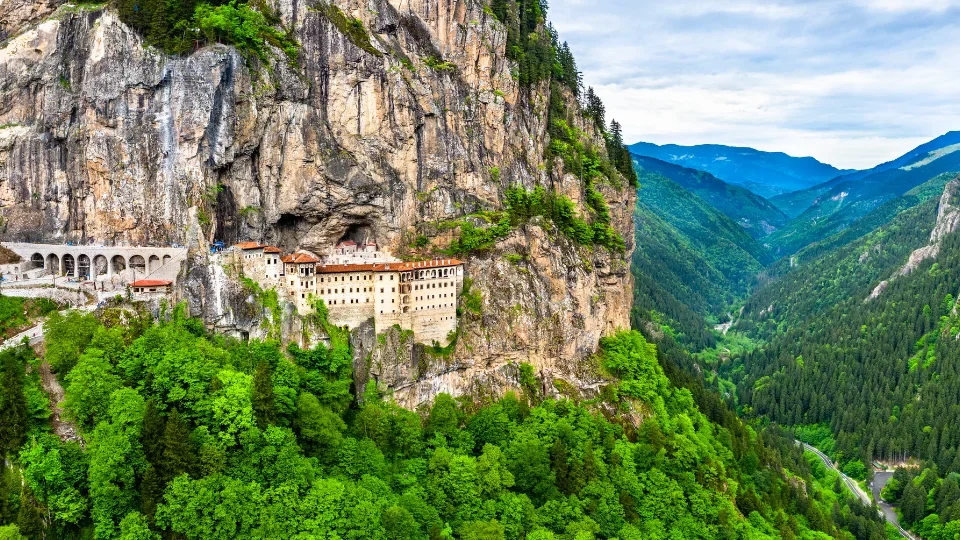
Travelers can also combine local food experiences with cultural landmarks such as Sumela Monastery, part of Turkey’s wider UNESCO-recognized heritage landscape, where respectful behavior is expected at historic and religious sites. A private Trabzon Sumela Monastery Tour can combine local food stops with old neighborhoods and mountain views.”
Rize Black Sea Food and Tea Culture
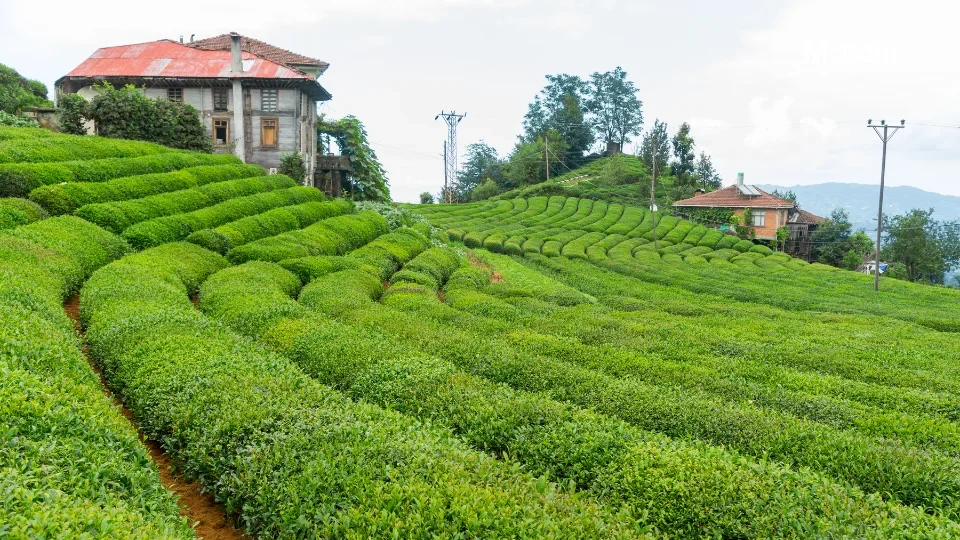
Rize Black Sea culture is closely linked with tea. The green tea fields make the city look very different from other parts of Turkey. Tea is also one of the most common drinks at Turkish breakfast tables. Rize is the center of Turkish tea production, and tea culture shapes daily life across the region.
Rize food is also rich in greens, corn and beans. Karalahana corbasi is a famous collard green soup. It may include corn, beans and local fat. It tastes earthy and strong. Rize simidi is another local bite. It is harder and darker than classic Istanbul simit. It goes well with tea.
Rize Ayder Highland & Storm Valley Tour can include Rize tea gardens, village breakfast stops and local markets for travelers who want more than classic sightseeing.
Corn Bread, Beans and Collard Greens
Corn bread is a key part of Black Sea Turkish food. It is denser than soft white bread. It has a deep corn taste. Locals eat it with soup, butter, beans or yogurt. Butter-drizzled beans are another comfort food. They look simple. Yet the taste can be very rich. Good local butter changes the whole dish. Collard greens are used in many home recipes. Karalahana sarmasi is made with stuffed leaves. Karalahana soup is popular in cold weather. These dishes show the village side of Turkey regional cuisine.
What Should You Eat First?
Start with kuymak if you like cheese. Try hamsi tava if you enjoy seafood. Choose Trabzon pide if you want something easy and filling. After that, try karalahana corbasi. It may feel unusual at first, yet it helps you understand the region. Add corn bread and tea to the meal.
For a full food day, begin with a village breakfast. Continue with tea gardens in Rize. End with fresh hamsi or pide in Trabzon.
Is Black Sea Cuisine Good for Tourists?
Yes. Black Sea food is great for tourists who want something local. It is not the same as classic Turkish restaurant food. This makes it more memorable. Vegetarians can enjoy kuymak, corn bread, beans, soups and local breakfast plates. Seafood lovers should focus on hamsi. Meat lovers can try Akcaabat kofte and pide with minced meat. Travelers with food allergies should ask before ordering. Butter, cheese, corn flour and fish appear often in this cuisine.
Black Sea Turkey cuisine is fresh, warm and full of character. It tells a story about mountains, rain, fishing villages, tea fields and family tables. It is one of the best ways to see a different side of Turkey. This food is not only about eating. It is about local life. It is about slow mornings with tea. It is about hot kuymak shared at breakfast. It is about hamsi season and village kitchens.
Add the Black Sea to your Turkey travel plan if you want deep culture and real flavor. Contact us to plan a private Turkey tour with local food stops, Black Sea routes and authentic regional experiences.