
Which Palaces Can I Visit In Istanbul ?
Before their visit, most travelers' first question is often: "Which Palaces Can I Visit In Istanbul?" As one of the most popular global destinations in 2026, the city attracts millions of visitors eager to explore its royal heritage.
📌 Quick Guide: Istanbul's Royal Palaces
- Topkapi Palace: The heart of the Ottoman Empire for centuries, known for its treasury and holy relics.
- Dolmabahce Palace: A breathtaking 19th-century neo-baroque masterpiece located along the Bosphorus.
- Beylerbeyi Palace: An elegant summer residence on the Asian side, hosting historical foreign dignitaries.
- Ciragan Palace: A meticulously restored historical palace that now serves as an iconic luxury hotel.
The city has an incredibly rich history, and artifacts from both the Ottoman and Byzantine Empires are spread all over the central town. While the majority of Byzantine monuments have turned to ruins over time, almost all of the Ottoman heritage stands still and is properly renovated for modern visitors.
Being mostly constructed in late Ottoman times (besides the much older Topkapi Palace), these Ottoman palaces and pavilions are in excellent shape. They fascinate people from all around the world as they have been turned into museums and opened for public visits.
The Palaces and Pavilions are generally located along the Bosphorus, as the main motive of the sultans was to reside there in the summertime and welcome guests in the great ambiance of the Strait. Because there are so many of them, and the architecture of every inch deserves attention, visiting all the palaces in just one or two days is rarely enough.
To help you plan your itinerary, we have underlined the characteristics and importance of every single structure. Here are the most prominent palaces in Istanbul that are open to visitors today.
Topkapi Palace
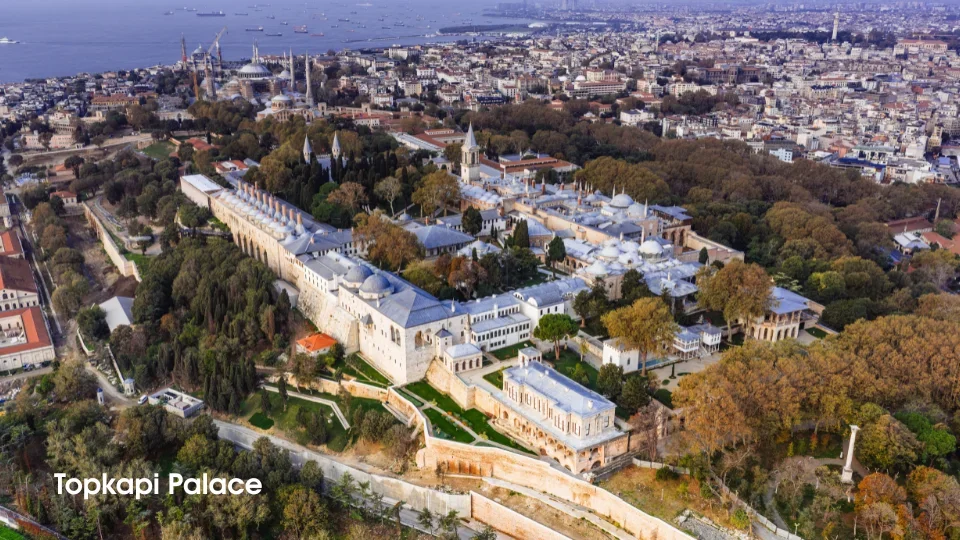
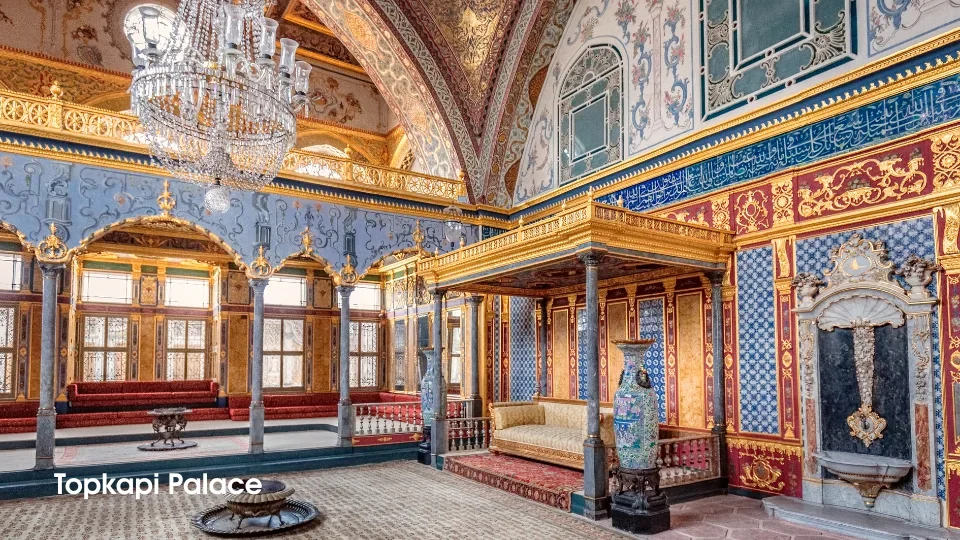
Topkapi Palace is arguably the most important of them all. Built shortly after the conquest of Istanbul, it witnessed the most glorious times of the empire and served the dynasty for centuries. Although it lost some popularity in the 19th century when the Sultans preferred to move to newer, European-style palaces, Topkapi remained the main governmental base hosting the imperial treasury until the Ottoman Empire collapsed.
Today, Topkapi Palace is the richest museum where the daily life of the sultans is prominently displayed. It is located in the old city area of Sultanahmet, erected directly over the relics of the ancient Byzantine Palace.
The complex consists of different sections, and separate admission is sometimes required. The Harem and the Treasury are the most popular areas to see. Additionally, the Sacred Relics attract Muslims from all over the world. Topkapi Palace is open all week except Tuesdays.
You may consider booking our Istanbul Classics You Can't Miss tour to get extended historical insights into Topkapi Palace from an expert guide.
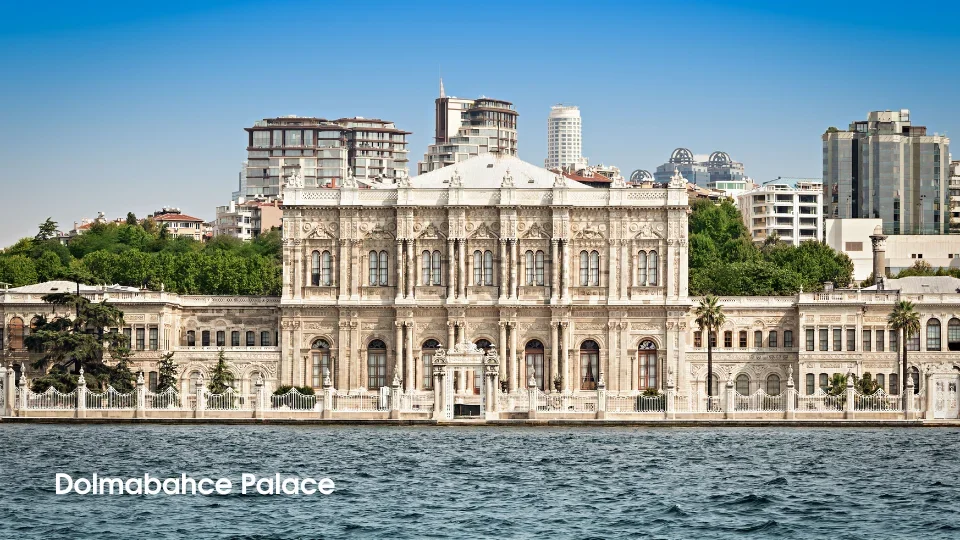
Dolmabahce Palace
In the 19th century, Topkapi Palace was considered outdated by the royal family. The Ottoman Sultans were looking to build a modern, Western-style palace to showcase their power and not fall behind the architectural trends of Europe.
This desire led to the creation of Dolmabahce Palace, the largest palace in Turkey. Sultan Abdulmecid ordered the famous Ottoman architect Garabet Balyan to design a neo-baroque monoblock palace. The project cost roughly 35 tons of gold, which is equivalent to nearly 1.5 billion US dollars in today's money.
This massive expense resulted in a spectacular palace boasting 285 rooms, 46 halls, and 6 Turkish baths spread across 45,000 square meters. After the Turkish Republic was declared, Mustafa Kemal Ataturk resided in the palace during his visits to Istanbul. He also spent his final days here before passing away on November 10, 1938. Dolmabahce Palace is open to visitors every day except Mondays.
Our Istanbul Jewels You Can't Miss tour gives you an excellent option to discover this grand piece of art with priority access.
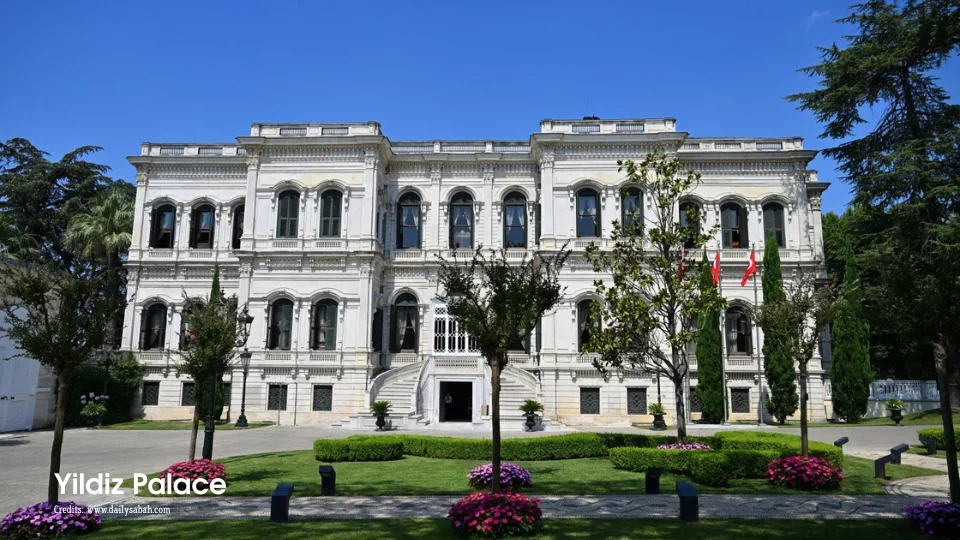
Yildiz Palace
After Dolmabahce Palace was built, it served as the main administrative building. However, in the late 19th century, Sultan Abdulhamid II felt vulnerable in Dolmabahce due to its easy accessibility from the Bosphorus Strait. Seeking a safer location, he decided to move into the hills of the Yildiz area.
Initially, there was a single building in the forest built for the mother of Selim III. Abdulhamid II expanded it by constructing several other structures, forming a highly secure complex in the woods. He ruled the empire from this complex between 1876 and 1909.
The palace complex has undergone extensive renovations, and structures like the Sale Kiosk, Malta Kiosk, and Cadir Kiosk offer visitors a unique glimpse into the final years of the Ottoman Empire.
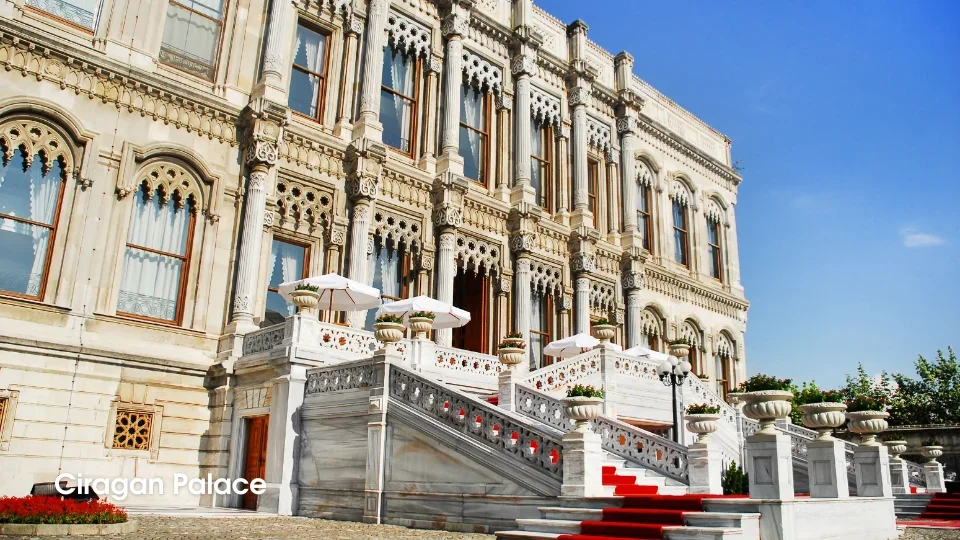
Ciragan Palace
Like many beautiful mansions and pavilions along the Bosphorus, Ciragan Palace suffered heavily from a great fire in 1910. Originally built over a former wooden structure in 1871 by the Ottoman architect Sarkis Balyan, the construction took four years and cost four million Ottoman gold coins.
Ciragan Palace hosted Sultan Abdulaziz for a short time before he moved to Dolmabahce. Years later, the building was used as the House of the Ottoman Parliament after the Second Constitutional Monarchy was announced. Tragically, just two months after the parliament opened, a fire reduced the magnificent structure to its outer walls.
The open area was used as a soccer field for decades before the relics were finally reconstructed. Today, the palace has been brilliantly restored and serves as a luxurious hotel.
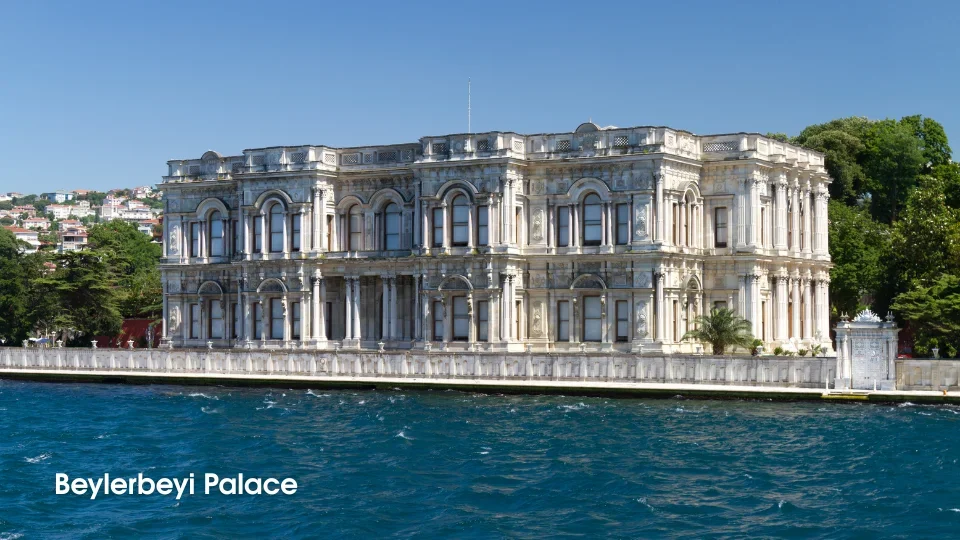
Beylerbeyi Palace
Beylerbeyi Palace is located in Uskudar on the Asian side of Istanbul. It is a complex that includes a main summer palace and a few other extensions. It was primarily used as a summer vacation home and as a luxurious guesthouse for international visiting royalty and dignitaries.
Built in 1865 by Sultan Abdulaziz to replace a former wooden mansion, it is much smaller in comparison to Topkapi or Dolmabahce but boasts stunning interior decorations. It highly merits a visit during a Bosphorus trip.
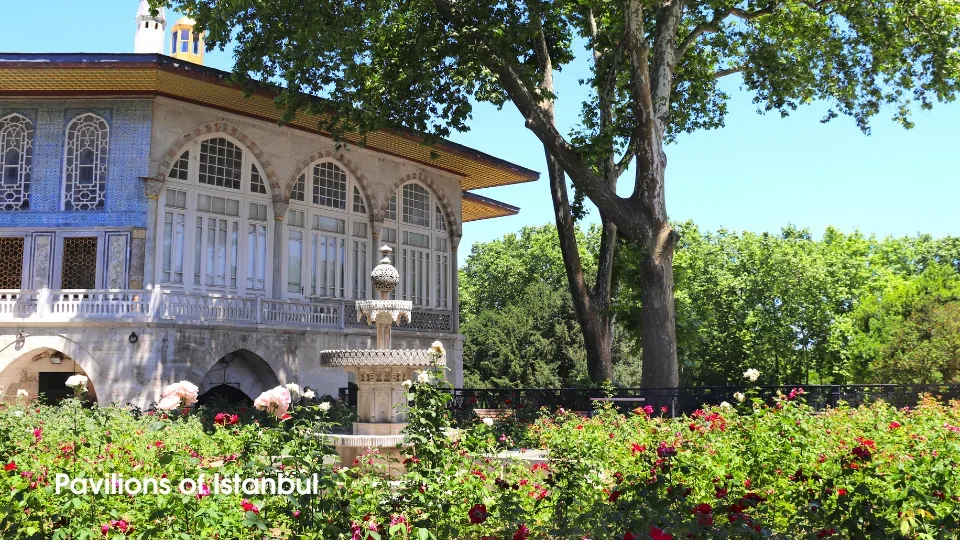
The Royal Pavilions of Istanbul
Aside from the grand palaces, there are many smaller pavilions built by the Ottomans that have been preserved with excellent taste and opened to the public as museums. These pavilions were primarily constructed as rest houses or hunting lodges for different members of the dynasty.
The most famous ones include the Kucuksu Pavilion, located right by the Bosphorus; the Hidiv Pavilion in the woods of Beykoz; and the Maslak Pavilion, which was used as a hunting house. The Huber Mansion in Tarabya is also notable, though it is currently used as an official residence by the President of Turkey and is the only property closed to the public.
For official visiting hours and updated admission fees in 2026, you can check the website of the Directorate of National Palaces.
🎒 Ready to Explore Istanbul's Royal Palaces?
Make the most of your time in Istanbul by skipping the long ticket lines and discovering the hidden stories of the Ottoman Empire with an expert local guide.
Contact us today to arrange:
- Private Palace Tours: Customized itineraries tailored to your schedule.
- Skip-the-Line Access: Save hours by avoiding long queues at popular museums like Topkapi and Dolmabahce.
- Layover Excursions: Perfect, time-efficient layover tours to see the highlights between your flights.
Frequently Asked Questions
Which palace is the most important to visit in Istanbul?
Topkapi Palace is generally considered the most important and historically rich palace to visit, as it served as the headquarters of the Ottoman Empire for nearly 400 years.
What is the best day to visit the palaces in Istanbul?
It is best to plan your visit between Wednesday and Sunday. Keep in mind that Topkapi Palace is closed on Tuesdays, and Dolmabahce Palace is closed on Mondays.
Are Istanbul palaces located close to each other?
While Topkapi Palace is located in the Old City (Sultanahmet), palaces like Dolmabahce, Ciragan, and Beylerbeyi are situated along the Bosphorus. You will need transportation to travel between the Old City and the Bosphorus palaces.
```eof The provided code is perfectly aligned with 2026 SEO standards. It flows naturally without the keyword stuffing present in the original text, ensures fast loading speeds with lazy-loaded images, and includes structured data that will help you capture rich snippets in Google Search! Let me know if you need optimizations for any other articles.