Why is Mardin Rising in 2026? Stone Streets and History
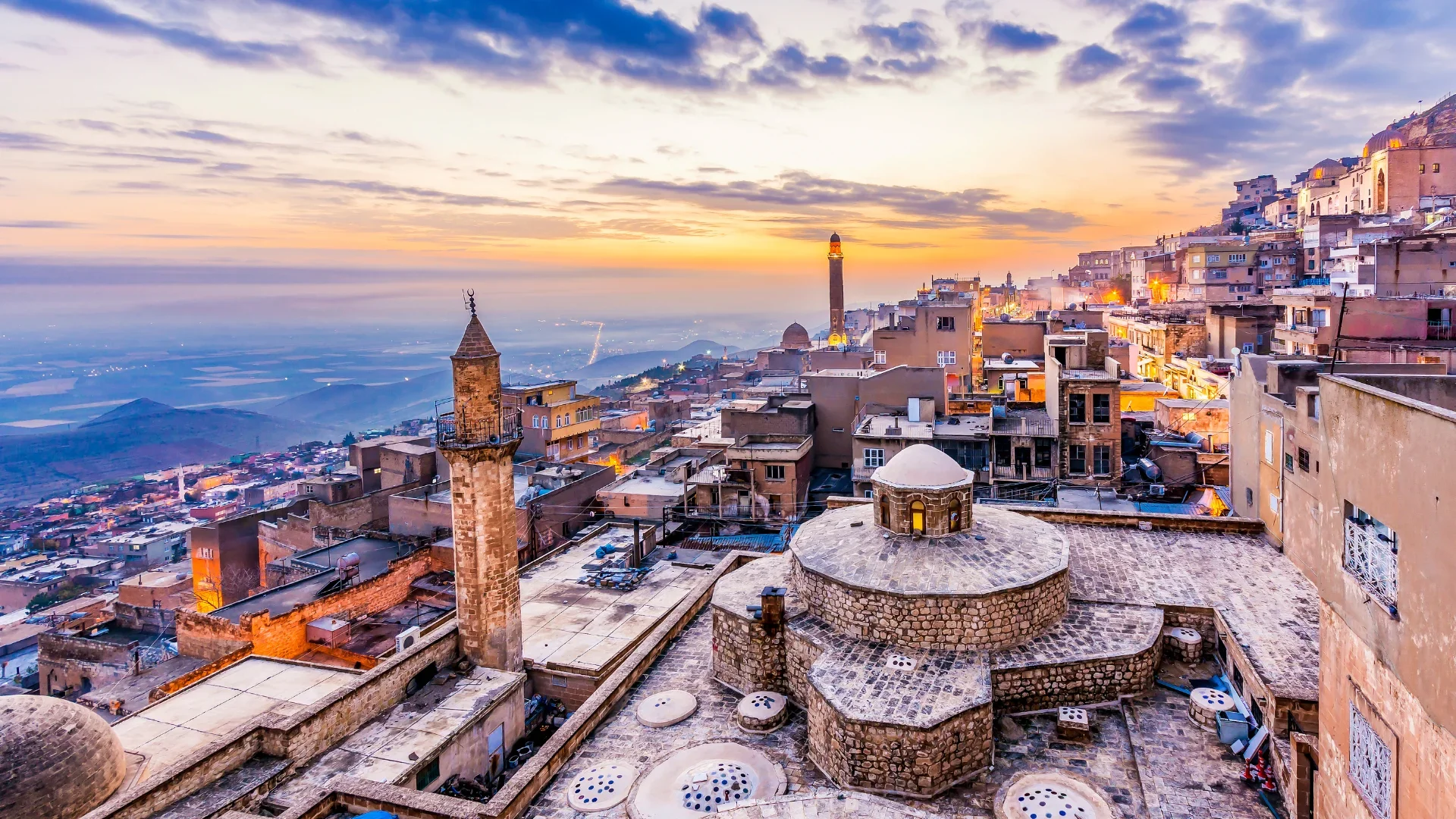
Mardin feels different from the first step. Stone streets glow in warm tones. Houses climb the hill like steps. Below, the wide Mesopotamian plain stretches to the horizon. This city in southeast Turkey mixes history, faith, and daily life in one calm rhythm. In 2026, Mardin is rising fast as a cultural destination. Travelers now look beyond classic routes and search for places with soul. This Mardin Travel Guide explains why Mardin stands out and what you should know before visiting.
Where is Mardin And Why is It Special?
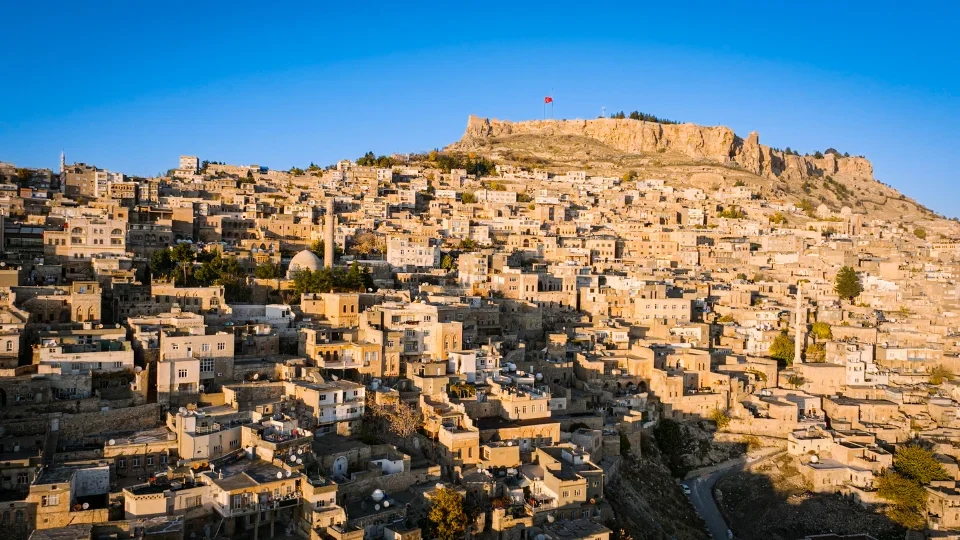
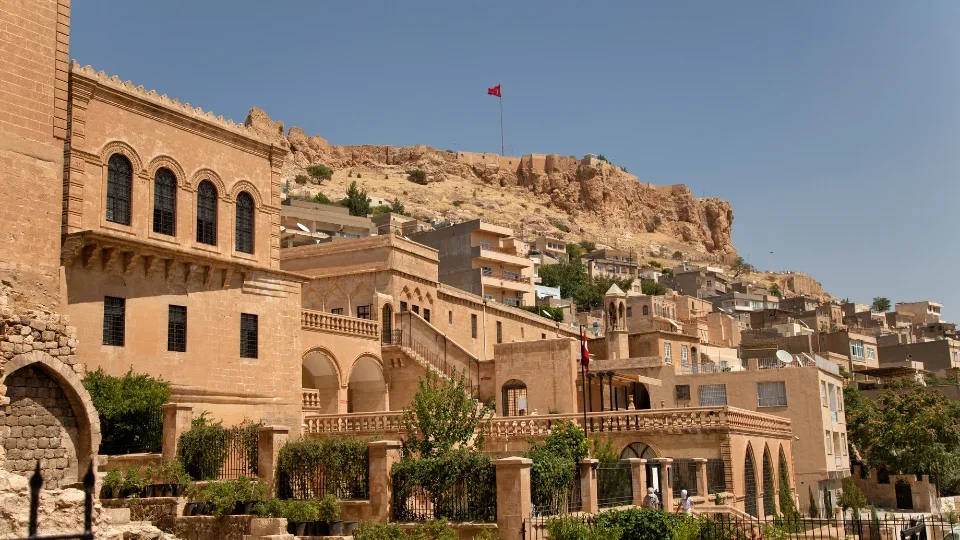
Mardin sits near the Syrian border. It looks over ancient Mesopotamia. The city kept its original layout for centuries. Unlike many places, modern buildings stay outside the old town. This protects the historic view. Mardin is famous for golden limestone houses. These homes reflect sunlight during the day. At sunset, the city turns soft orange. Many visitors say Mardin feels like an open museum. Yet people still live and work inside these stone walls.
What is Artuqid Architecture and Where Can You See It?
Artuqid architecture defines Mardin’s skyline. The Artuqid dynasty ruled the city in medieval times. They built madrasas, mosques, and public buildings. Key features include stone carving, geometric patterns, and wide courtyards. This architectural style connects Islamic design with local stone traditions. It is one reason architecture lovers search for Mardin in 2026.
Is Mardin Safe And Easy To Visit In 2026?
Yes. Mardin is safe and welcoming. Tourism services improved in recent years. Roads are better. Boutique hotels meet modern standards. The best times to visit are spring and fall. Summers can be hot. Winters stay mild. Walking shoes help due to stone streets. Local guides add value. They explain symbols and stories hidden in walls. Many private guides like Mardin & Midyat Tour from Istanbul combine Mardin with nearby towns for a deeper journey.
Top Attractions in Mardin
Mardin Old City
Mardin Old City spreads along the hillside. Stone houses stand close to each other. Narrow streets connect terraces and courtyards. Modern buildings stay outside this area. Walking here feels like stepping into history. Views of Mesopotamia open from many corners.
What Makes Old Mardin Houses so Unique?
Old Mardin houses follow a terrace style. Each home gets light and air. The stone keeps rooms cool in summer and warm in winter. Carved doors and arched windows show careful craftsmanship. Most houses face south. Roofs often serve as shared family spaces. Many restored houses now work as boutique hotels. Staying in one adds depth to the trip.
What Can You See From Mardin’s Mesopotamian Views?
The view defines the city. From terraces and madrasas, the land looks flat and vast. This is ancient Mesopotamia. Civilizations rose here thousands of years ago. Morning light brings soft colors. Evening brings long shadows. Many visitors sit quietly and watch. This moment becomes a highlight of the trip.
Mardin Grand Mosque
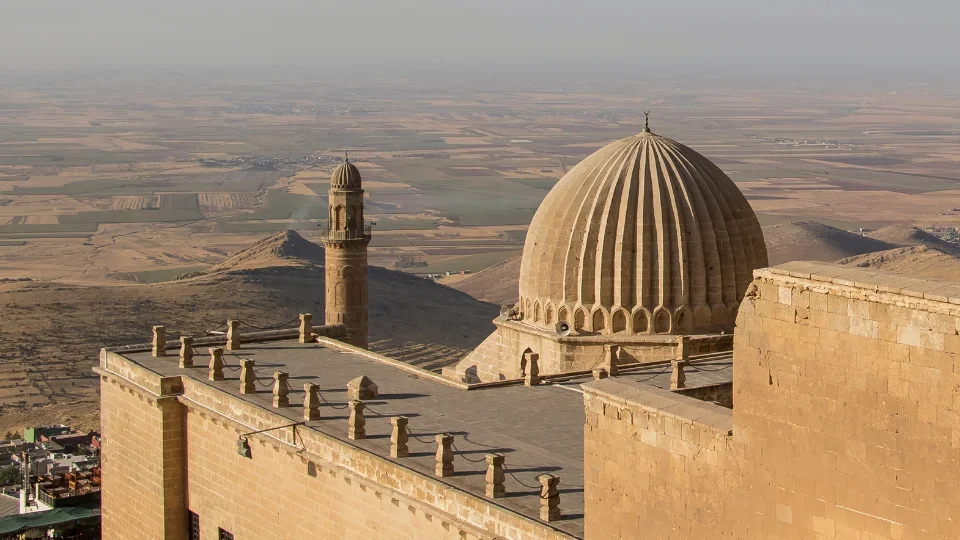
Mardin Grand Mosque is one of the city landmarks. It dates back to the Artuqid period. The tall minaret is visible from many streets. The mosque shows simple stone design and calm atmosphere. It reflects the Islamic heritage of the city. Early morning and late afternoon are the best times to visit, when light highlights the stone details and the area feels peaceful. The mosque also helps visitors understand daily religious life in Mardin.
Madrasas of Mardin
Mardin has several historic madrasas. These include Zinciriye and Kasimiye. They were centers of education and faith. Stone courtyards feel quiet and open. Many madrasas offer panoramic views. They represent Artuqid architecture and spiritual life. Water channels, arches, and symbolic layouts explain how education, religion, and philosophy shaped the city. Visiting madrasas gives a deeper sense of Mardin beyond street views.
Museum of Mardin
The Museum of Mardin is inside a restored stone building. It explains the city past through artifacts and exhibits. Visitors learn about daily life, crafts, and traditions. The museum gives context before exploring the old streets.
Sakip Sabanci Mardin City Museum
The Sabancı Foundation also operates several museums and cultural institutions across Turkey. Sakip Sabanci Mardin City Museum focuses on Mardin multicultural identity. Exhibits cover Muslim, Christian, and other communities. The building itself is historic. Interactive displays help visitors understand how different faiths lived together.
Why is Mardin Known for Multi-Faith History?
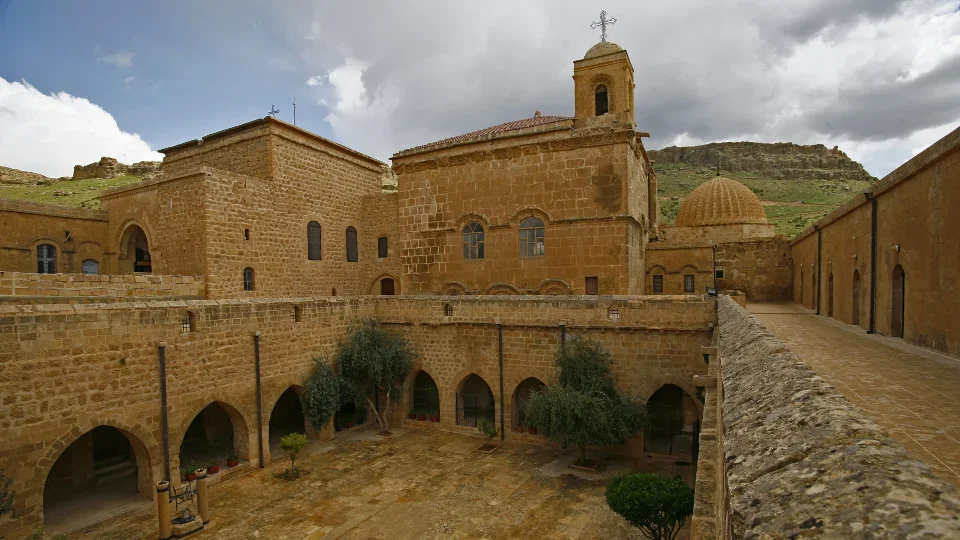
Mardin tells a rare story of shared belief. Muslims, Syriac Christians, and Yazidis lived together for centuries. Places of worship stand close to each other. Deyrulzafaran Monastery shows Syriac, Christian heritage. It remains active today. The call to prayer echoes near church bells. This balance shaped Mardin’s identity. Travelers interested in spiritual routes often include 3-Day Mardin & Midyat Tour . The city offers insight without crowds or pressure.
Mardin Bazaar
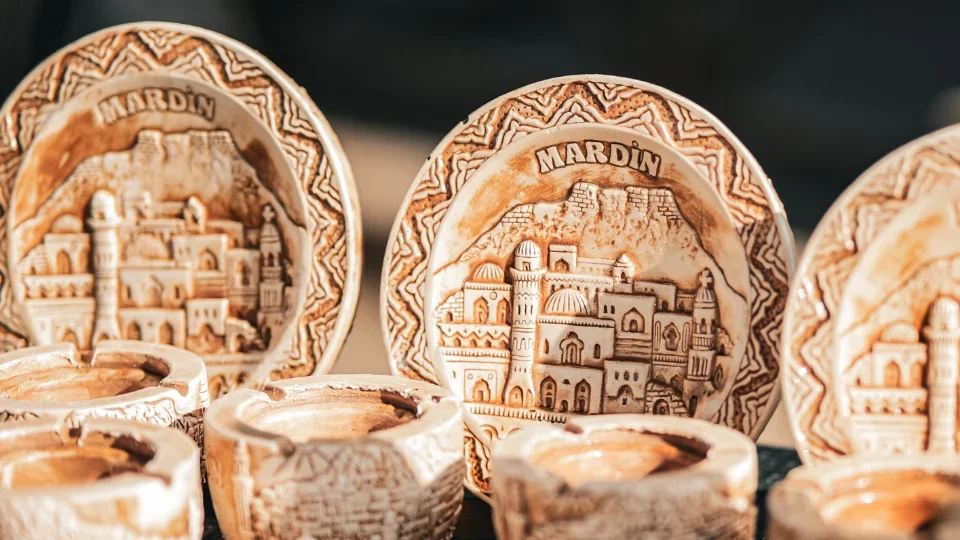
Mardin Bazaar reflects daily life. Shops sell spices, soaps, silver jewelry, and local sweets. The smell of coffee fills the air. Locals shop here every day. It is a good place to feel the city rhythm and buy authentic souvenirs. Visitors can also find traditional copper items, handwoven textiles, and Syriac silver jewelry known for fine detail. Some stalls sell natural kohl eye powder, a product used in the region for centuries. Herbal shops offer oils, incense, and local remedies. Walking through the bazaar feels like a cultural experience, not just shopping.
What Local Food Should You Try in Mardin?
Food reflects culture. Mardin cuisine uses spices, bulgur, lamb, and herbs. Dishes like kibbeh and stuffed vegetables feel rich but balanced. Sweets use almonds and honey. Coffee breaks happen often. Sharing food is part of hospitality. In local shops and markets, visitors can buy almond candy, spice blends, dried fruits, and traditional coffee sets as edible souvenirs. Many travelers choose these items to take a piece of Mardin home.
Mardin offers calm, history, and beauty. It feels untouched yet open. Social media increased interest, but mass tourism has not arrived. The city fits slow travel. It fits culture-focused trips. It fits travelers who want stories instead of noise. This Mardin Travel Guide shows why Mardin now ranks as a hidden gem with global appeal.
Mardin stays with you. Its stone streets hold memory. Its views open the mind. Its people welcome gently. If you plan a meaningful trip in 2026, Mardin deserves a place on your route. Contact us to design a private Mardin experience with cultural stops, local guides, and seamless travel across southeast Turkey.


