
Food Safety in Turkey: Food Culture,Street Food, and What to Avoid
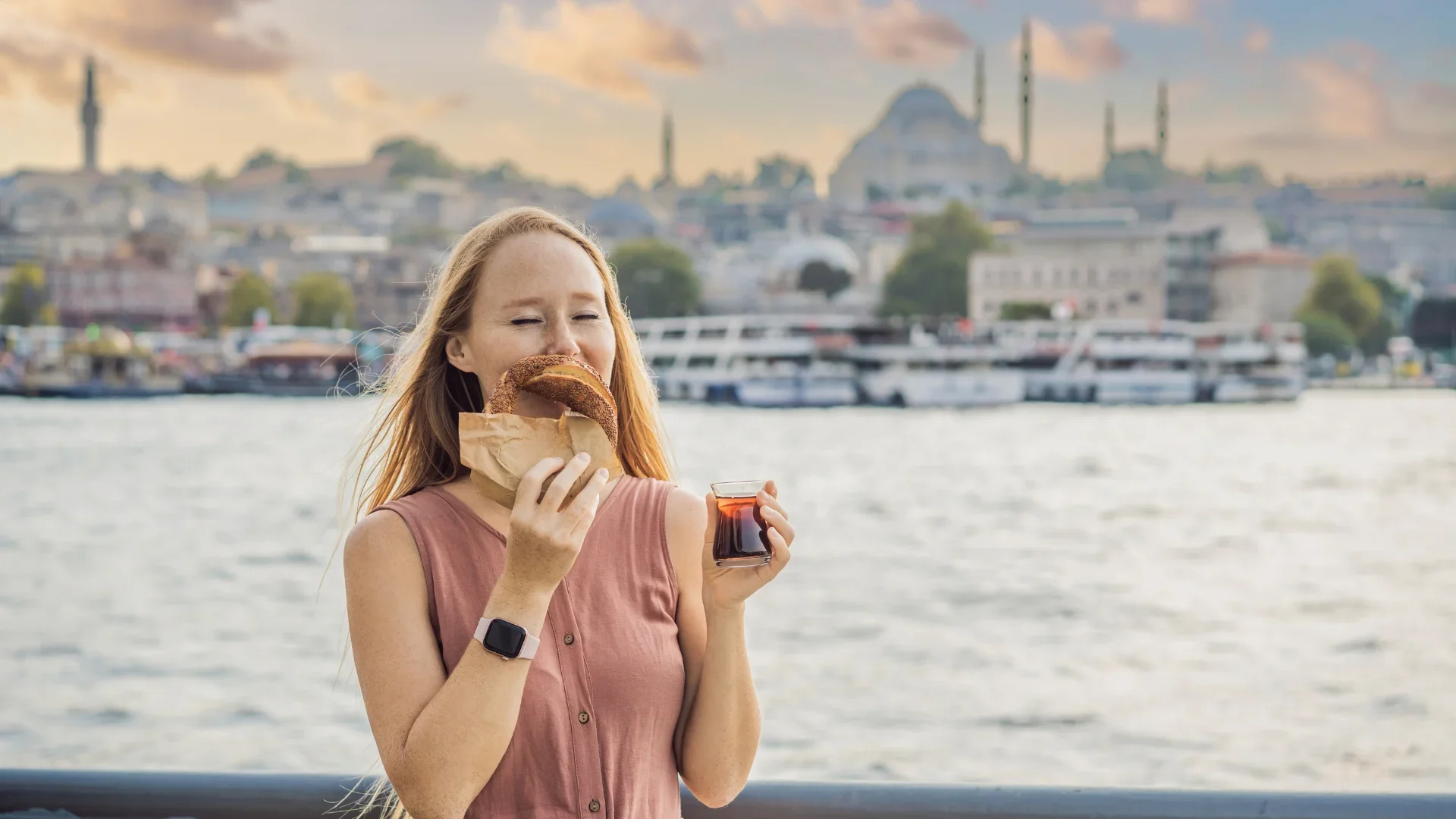
Turkey is one of the best countries for food lovers. Travelers can enjoy fresh bread, grilled meat, rich soups, seafood, meze, desserts and famous Turkish tea. Food culture is a big part of daily life. Meals are social, warm and full of flavor.
Still, many first-time visitors ask one important question: Is food safe in Turkey? In most tourist areas, food is safe when visitors choose clean places and follow simple hygiene rules. Istanbul, Cappadocia, Antalya, Izmir and other popular cities have many good restaurants. Street food is also part of local life. Yet tourists should know what to check before eating.
This guide gives clear food safety Turkey tips. It explains tap water, street food, dairy, seafood and common mistakes. It also helps travelers enjoy Turkish food without stress.
Is Food Safe in Turkey for Tourists?
Food in Turkey is generally safe for tourists. Restaurants in busy city areas and tourist zones often serve many local and foreign guests every day. This means food usually moves fast. Fresh turnover is a good sign. Still, stomach problems can happen. They are often caused by sudden diet change, too much oily food, spicy dishes, tap water, unwashed fruit or food that stayed outside too long. Travelers should not avoid Turkish food. They only need to eat smart. For a soft start, choose simple meals on the first day. Lentil soup, grilled chicken, rice, yogurt and fresh bread are easy options.
Is Street Food Safe in Turkey?
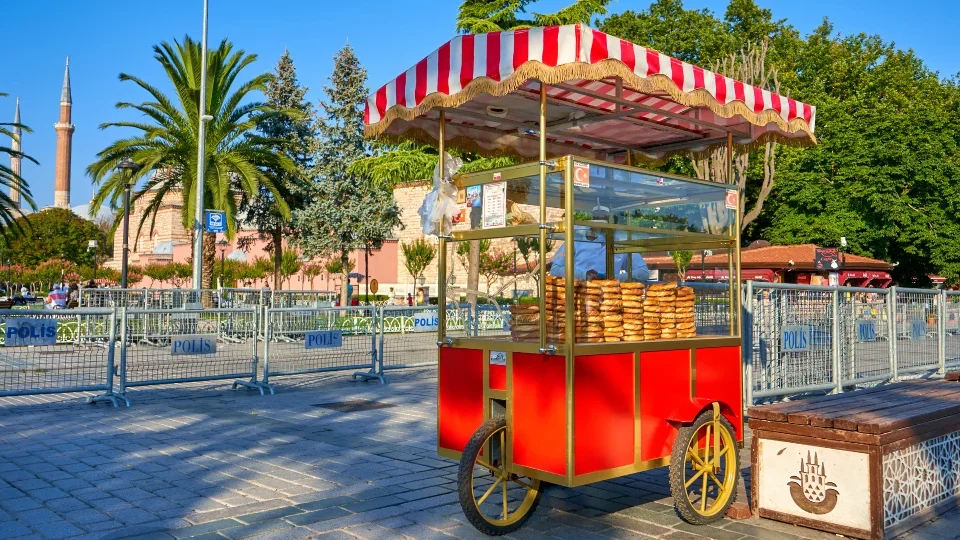
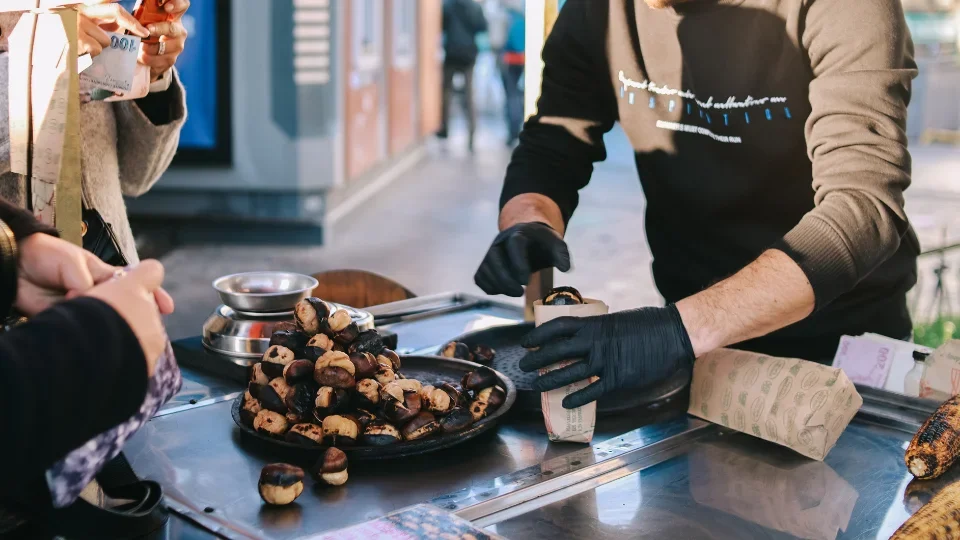
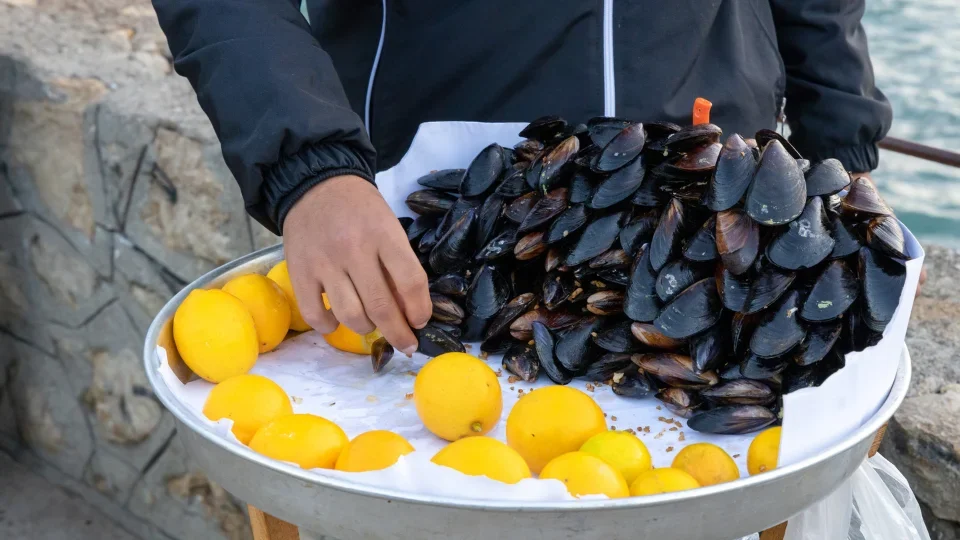
Street food in Turkey can be safe and very tasty. The main rule is simple: choose busy sellers. It means food is fresh and cooked often. Simit is one of the safest choices. It is a baked sesame bread ring. Roasted chestnuts and fresh corn are also simple options. Doner can be safe when meat is hot and the place is busy. Stuffed mussels need more care. They are sold with rice and lemon. They can be delicious. But seafood can spoil fast in hot weather. Tourists should eat mussels only from trusted places. Travelers interested in local culture may enjoy the Half-Day Istanbul Private Food Tasting Experience.
Can Tourists Drink Tap Water in Turkey?
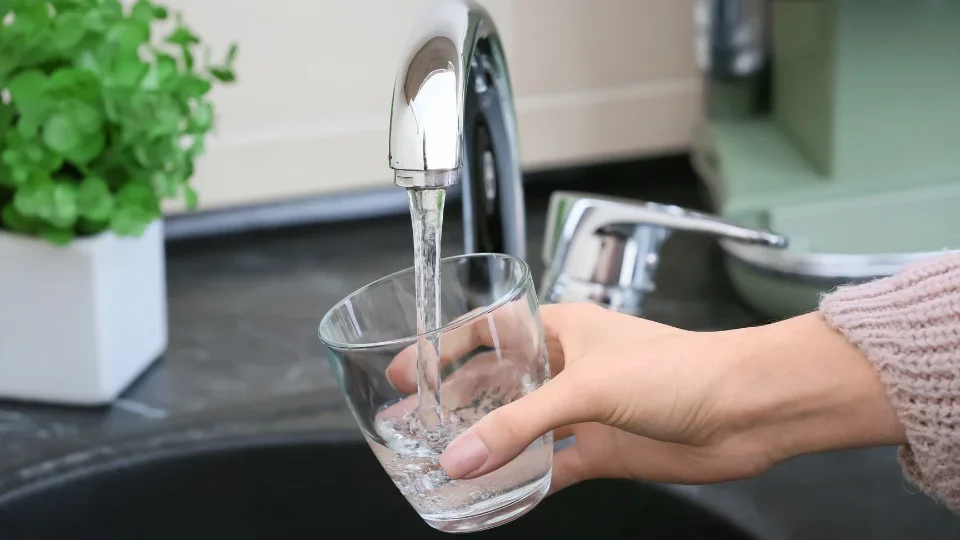
Tap water is usually fine for brushing teeth. But people with sensitive stomachs may prefer bottled water for that too. Avoid drinking from unknown fountains unless a local guide confirms it is safe. Some public fountains are clean. Others may not be suitable for tourists.
According to the WHO, access to safe drinking water is essential for preventing waterborne illnesses, which is why tourists should use bottled water for drinking while traveling in Turkey. It is cheap and easy to find in markets, hotels and restaurants. In Istanbul, Antalya and Cappadocia, bottled water is the safest choice for visitors.
What Should Tourists Do If They Get Sick?
Most mild stomach problems pass with rest, water and simple food. Drink bottled water. Eat plain rice, soup, banana, toast or yogurt. Avoid alcohol, spicy food and heavy meals. Visit a pharmacy if symptoms continue. Pharmacies in Turkey are easy to find. Pharmacists can help with basic travel stomach issues. Seek medical help if there is high fever, blood, strong pain, severe dehydration or symptoms lasting more than two days.
What Street Food Should Tourists Avoid?
Tourists should avoid food that looks old, cold or dry. Meat should not sit outside for a long time. Sauces should not stand open under the sun. Be careful with:
- Stuffed mussels from unknown street sellers
- Cold meat dishes in hot weather
- Open sauces and mayonnaise
- Cut fruit sold outside
- Seafood from empty places
- Food carts with poor hygiene
- Ice from unknown sources
This does not mean all these foods are bad. It means tourists should choose them more carefully.
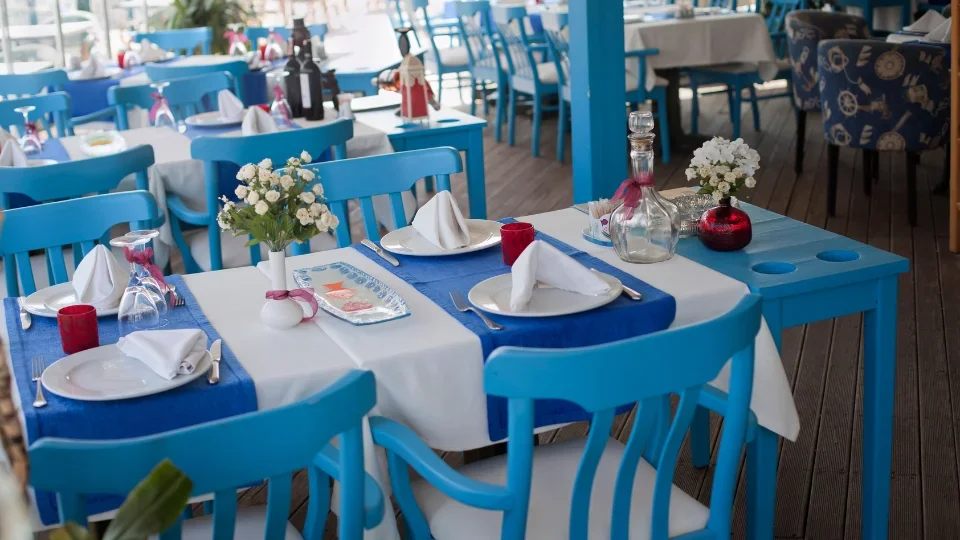
How to Choose a Safe Restaurant in Turkey?
A safe restaurant usually looks clean and active. Tables should be cleaned fast. Staff should handle food properly. Food should smell fresh. Look for these signs:
- Many local customers
- Fresh food turnover
- Clean tables and restrooms
- Clear menu prices
- Hot food served hot
- Cold food kept cold
- Good reviews from recent visitors
Avoid places with empty display trays, old-looking salads or pushy staff near tourist streets. A restaurant with a simple local menu can be safer than a place with too many dishes. Travelers who join a guided food route can also try local dishes with less risk. Half-Day Istanbul Private Food Tour & Culinary Experience can help visitors taste local dishes in safe and trusted places.
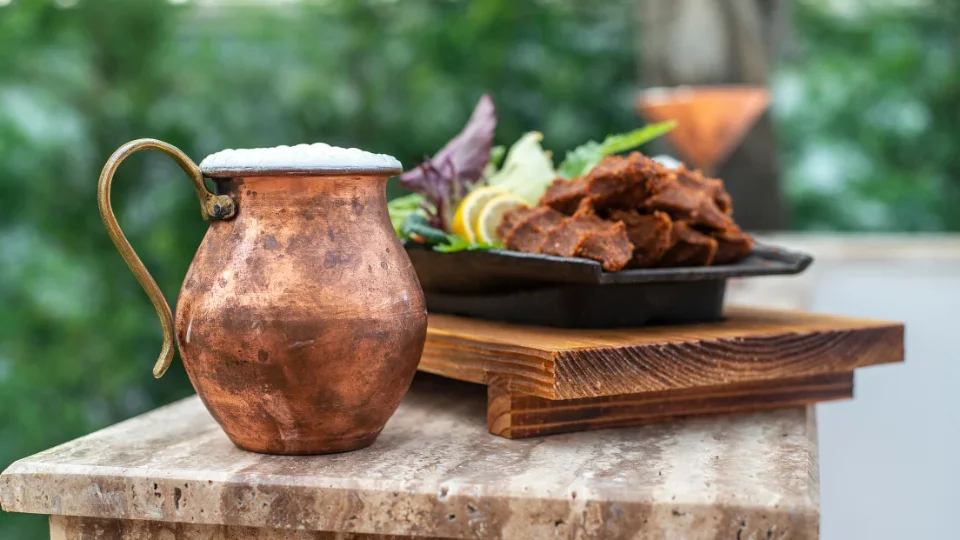
Are Dairy Products Safe in Turkey?
Dairy is a big part of Turkish food culture. Yogurt, ayran, cheese and milk desserts are common. In restaurants and markets, dairy products are usually safe when they are stored cold. Ayran is a popular yogurt drink. It is safe when packaged or served fresh in a clean restaurant. Cheese is also safe in hotels and trusted breakfast places. Be careful with open dairy products in hot weather. Avoid dairy that smells sour or looks poorly stored.
Is Turkish Breakfast Safe?
Turkish breakfast is usually safe and very enjoyable. It often includes cheese, olives, eggs, tomatoes, cucumbers, honey, jam, bread and tea. For better food safety, choose places with fresh service. Eggs should be fully cooked if you have a sensitive stomach. Avoid open buffet items that look warm, old or uncovered. Buffets are common in hotels. They are usually fine in good hotels. Still, choose food that looks fresh and recently replaced.
Can Tourists Eat Salads and Fresh Fruit?
In good restaurants, salads are usually washed properly. Still, raw vegetables may cause stomach problems for some visitors. If you are sensitive, eat cooked vegetables during the first days. The CDC advises travelers to wash fruits and vegetables properly or choose peeled options when visiting a new destination. Avoid cut fruit sold outside. It may look fresh but can sit in heat for hours.
Is Seafood Safe in Turkey?
Seafood can be safe in coastal cities. Istanbul, Izmir, Bodrum, Antalya and the Black Sea region have strong seafood culture. Choose seafood restaurants with many customers. Fish should smell fresh, not strong. Prices should be clear before ordering. In tourist zones, always ask the price by weight if fish is not listed on the menu. Avoid seafood in very hot weather if the place looks empty. Be extra careful with shellfish. Istanbul Night Food Tour with Traditional Meyhane Experience can be a good way to enjoy culture and food in Istanbul with local guidance.
What About Ice Cream and Desserts?
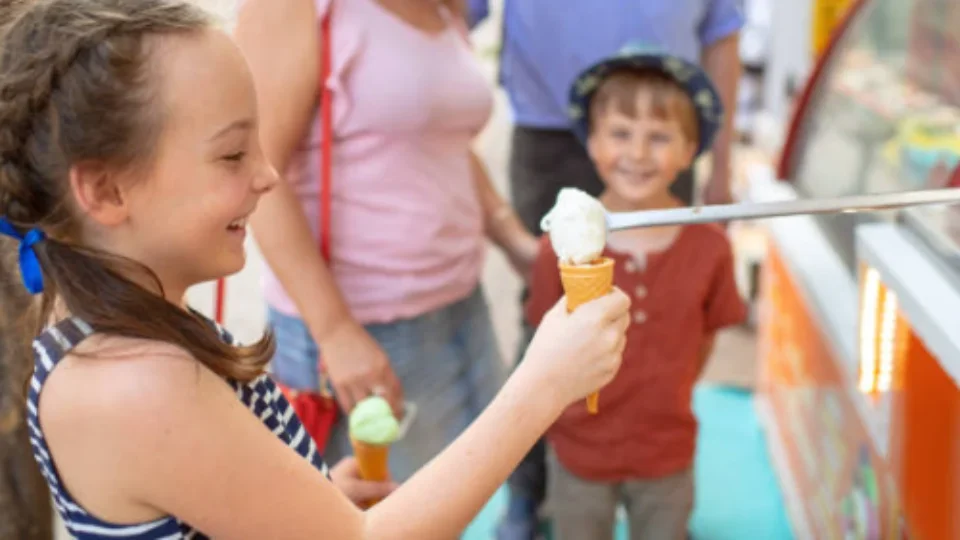
Turkish desserts are usually safe. Baklava, lokum, rice pudding and kunefe are popular. Choose dessert shops with high customer flow. This is important for milk-based sweets. Turkish ice cream is also safe in trusted shops. Avoid ice cream that looks melted and refrozen.
Food Safety Turkey Tips for Tourists
- Use bottled water for drinking
- Eat at busy places
- Choose hot food served fresh
- Avoid open sauces in summer
- Be careful with street seafood
- Wash or peel fruit
- Start with simple meals on day one
- Check restaurant hygiene before sitting
- Avoid food that has been standing outside
- Carry hand sanitizer for street food stops
For a safer and richer food experience, add a guided food tour to your travel plan. Contact us to plan a Turkey food experience that matches your route, taste and comfort level.