
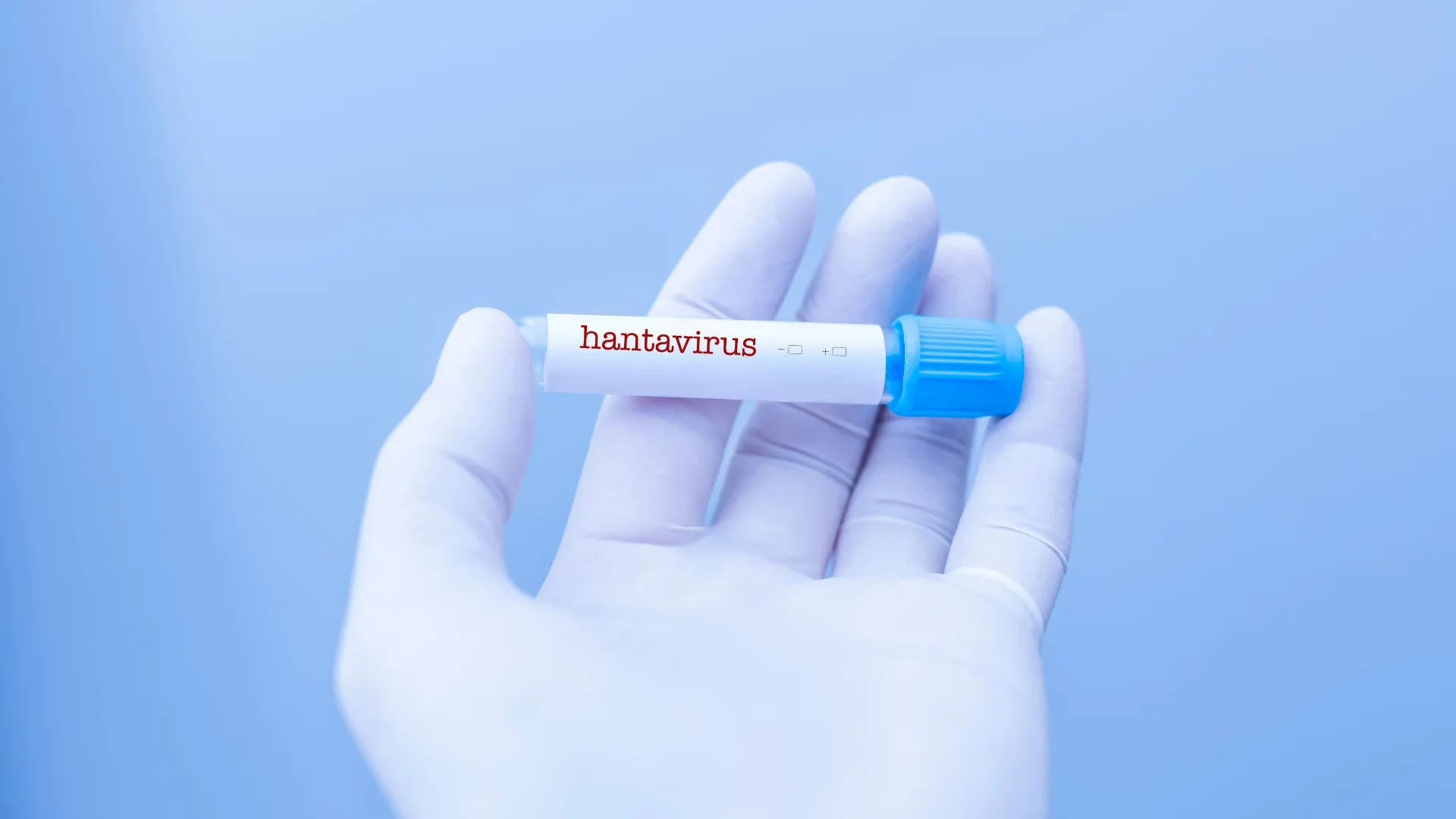
Is Hantavirus a Risk During Travel to Turkey?
According to the World Health Organization, hantavirus infections are mainly linked to contact with infected rodents or contaminated environments rather than normal tourism activities. Mice and rats can carry it. People may become infected after breathing contaminated dust or touching rodent waste. The virus is rare but it can cause serious illness in some cases.
Many travelers search questions like “Is hantavirus dangerous in Turkey?” or “Can tourists get hantavirus during nature travel?” The good news is simple. For most visitors in Turkey the risk is very low. Turkey remains one of the most visited countries in the world. Millions of tourists visit every year. Travelers enjoy safe trips without any contact with hantavirus.

Has Hantavirus Been Found in Turkey?
Travelers should understand one important point. Hantavirus is not spreading through normal tourism activities. For regular tourists the risk is extremely low. A person visiting Istanbul, Antalya, Cappadocia, or the Turkish coast usually has almost no risk. Luxury hotels, private transfers, museums, restaurants, and popular attractions are considered safe environments.
The situation changes slightly during:
- camping trips
- abandoned building visits
- village stays
- old farm houses
- dirty storage areas
- remote cabins
- forest shelters
These locations may attract rodents. Poor hygiene can increase exposure risk. A planned experience like Ephesus & Sirince Village Tour from Kusadasi Port helps travelers enjoy rural Turkey with more comfort and safer accommodation choices.
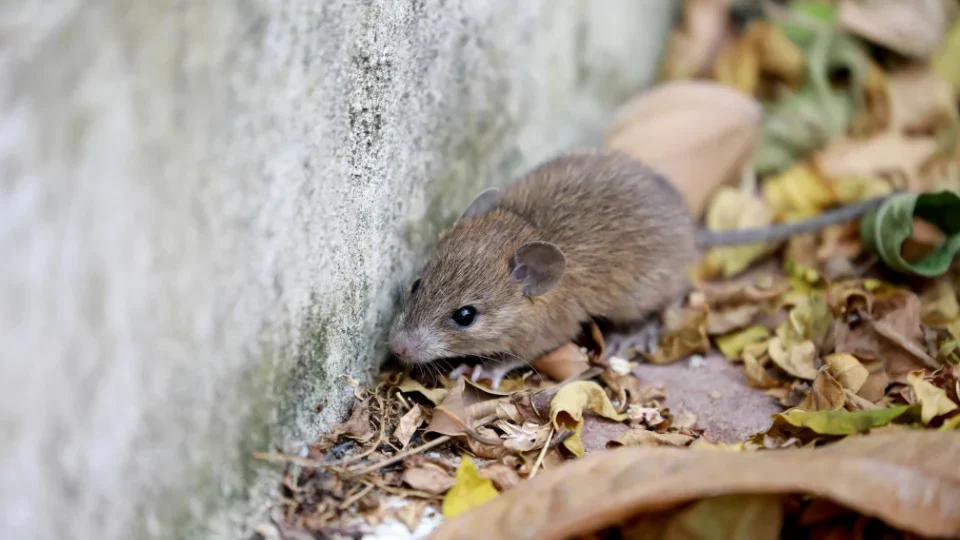
How Does Hantavirus Spread?
Hantavirus mainly spreads through infected rodent urine, saliva, or droppings. Dry waste can turn into tiny dust particles. A person may breathe them in while cleaning. This means activities like sweeping dusty cabins or cleaning old village houses can create risk.
The virus does not usually spread between people. Travelers should focus more on avoiding rodent exposure instead of worrying about crowded tourist places.
What Symptoms Should Travelers Watch for?
Early hantavirus symptoms may look similar to flu. Common symptoms include fever, headache, muscle pain, chills, tiredness, nausea and stomach discomfort. Later symptoms may become more serious. Some patients develop coughing or breathing problems. A tourist should see a doctor if symptoms appear after direct rodent exposure. This is especially important after camping or staying in dirty rural spaces.
Is Turkey Safe for Nature Travel?
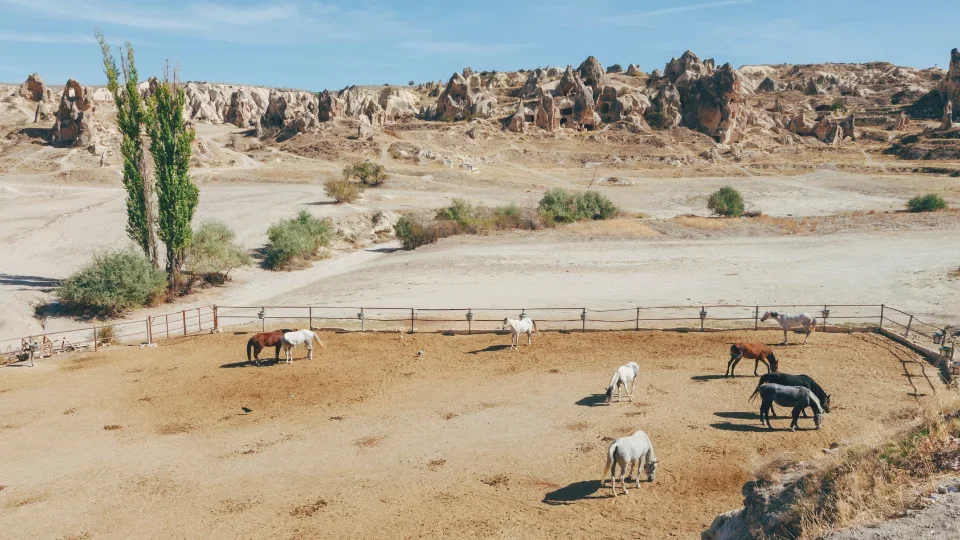
Turkey still offers amazing nature tourism. Travelers continue to enjoy Black Sea mountain villages, hiking routes, Cappadocia valleys, lake regions, national parks and camping areas. Simple precautions are enough for most people. Do not touch rodents. Avoid sleeping inside abandoned buildings. Keep food sealed during camping. Choose clean accommodation. The CDC Hantavirus Prevention guidance also recommends avoiding direct contact with rodent droppings and using proper cleaning methods in contaminated areas.
Outdoor experiences such as 2-Hour Horseback Riding Tour or 1-Hour Camel Safari Tour in Cappadocia can be a safe way to explore Turkish nature with local guidance and organized planning.
What about Pets and Dogs?
Rodents remain the main source. Dogs are not considered a major transmission source for humans. Still, pets may contact infected rodents outdoors. Travelers should avoid letting dogs play near rodent nests, farms, garbage piles, or abandoned structures. After nature walks clean your dog’s paws properly.

Should Travelers Be Afraid of Hantavirus in Turkey?
Fear is not necessary. Hantavirus exists in many countries around the world. Turkey is not considered a major global hotspot for tourist infections. Most travelers will never face this issue during their trip. Tourists should use normal travel hygiene. Clean accommodation, organized tours, safe food storage, and basic caution are enough in most situations.
Travel in Turkey continues safely across major tourist regions. Smart planning makes travel even safer. Contact us today to plan a safe and comfortable Turkey trip with carefully selected routes, private tours, and trusted local travel support.