
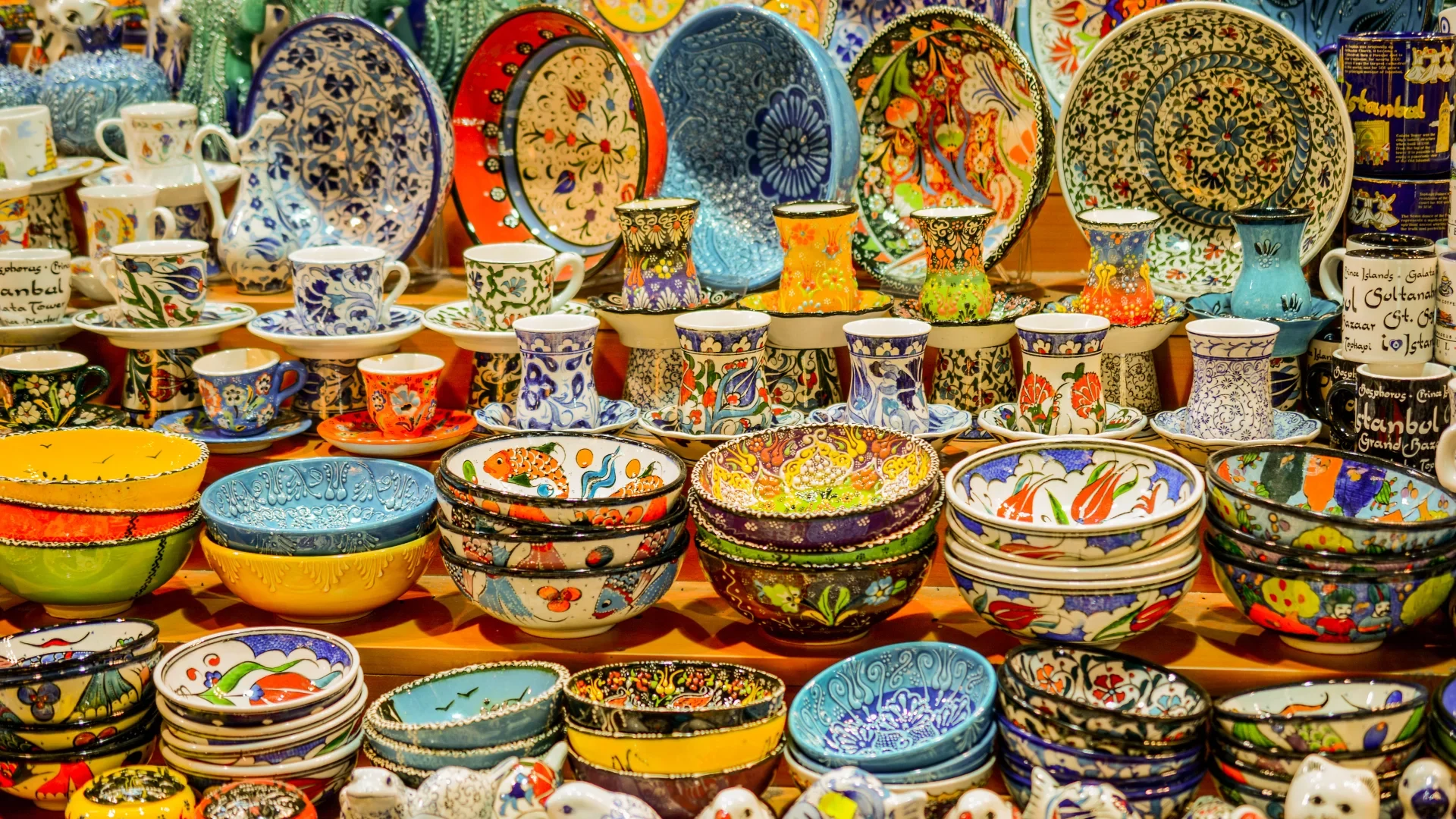
Turkish Ceramics and Pottery: Where to Watch Masters Work, Learn, and Buy Authentically
Turkey has one of the oldest pottery traditions in the world. Ceramic art appears in mosques, palaces, houses and local markets. Many workshops still use methods that have existed for centuries. Visitors can watch artists work with clay. They can also learn traditional techniques and buy handmade products directly from local masters.
This Turkish ceramics pottery guide explains the main ceramic regions in Turkey. It also helps travelers understand different styles and choose authentic products.
Why Turkish Ceramics Are Important?
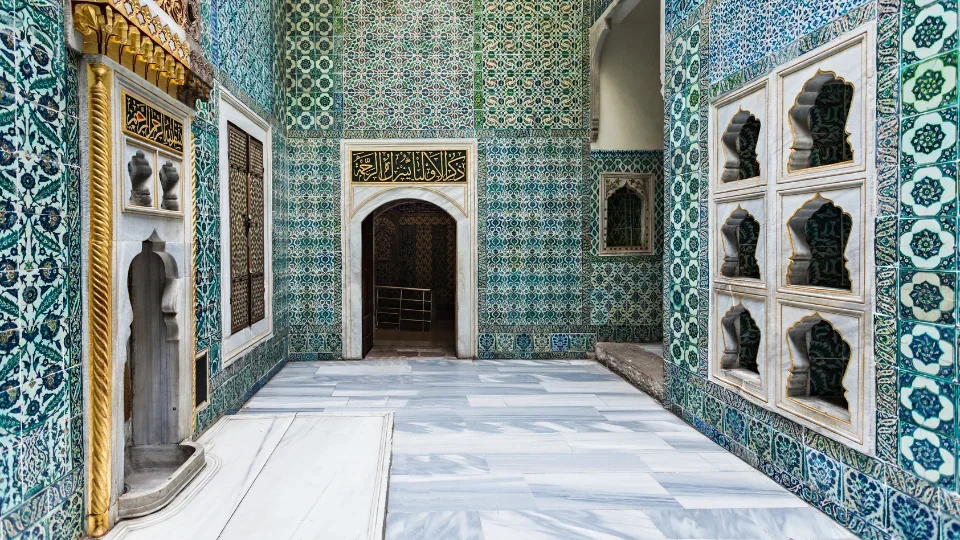
Ceramics have been part of Anatolian culture for thousands of years. Ancient civilizations used clay for cooking, storage and decoration. Later, Ottoman artists created beautiful tile art. These ceramic works decorated mosques, fountains and public buildings. Today, Turkish ceramics remain an important part of Turkish culture. Handmade products still appear in homes, hotels and restaurants. Many workshops continue traditional methods. Artists shape clay by hand. They paint every detail carefully. Kilns fire the finished products using old techniques.
What Makes Turkish Cini Tiles Special?
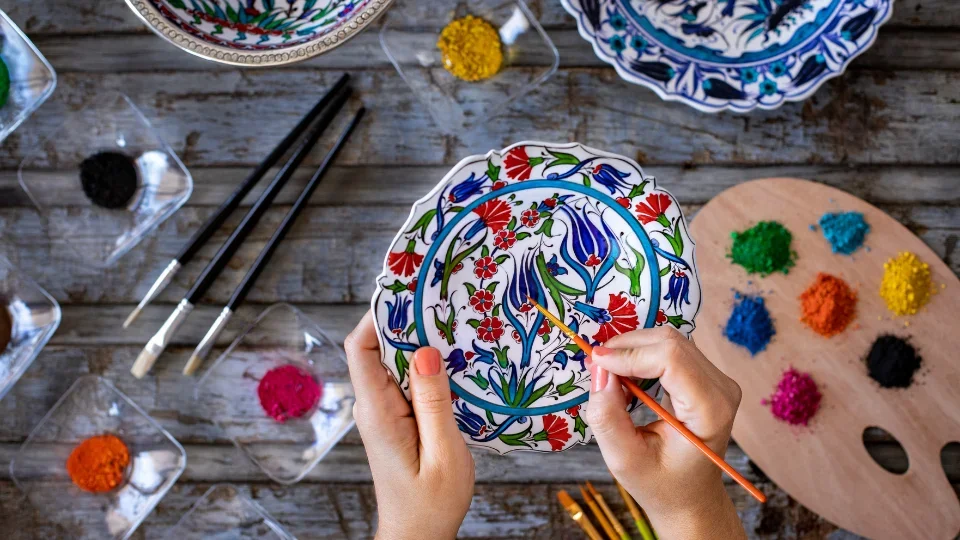
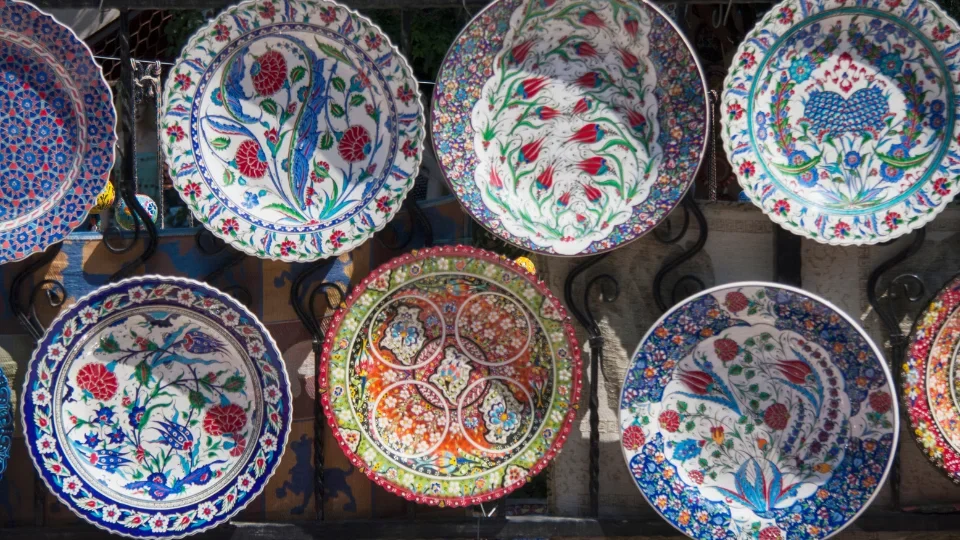
Turkish cini tiles are one of the best-known forms of Turkish art. The traditional craftsmanship of cini making was inscribed on UNESCO's Intangible Cultural Heritage list, helping preserve these artistic techniques for future generations. These decorative ceramics appear inside mosques, palaces and historical buildings. Artists first draw the design. Then they paint each section by hand. After painting, the pieces receive a glaze coating. Finally, the tiles enter high-temperature kilns. Common designs include tulips, carnations, leaves, geometric patterns, stars and Ottoman flowers. Workshops in Istanbul, Iznik and Kutahya allow visitors to paint their own tiles.
Iznik Ceramics and Ottoman Tile Art
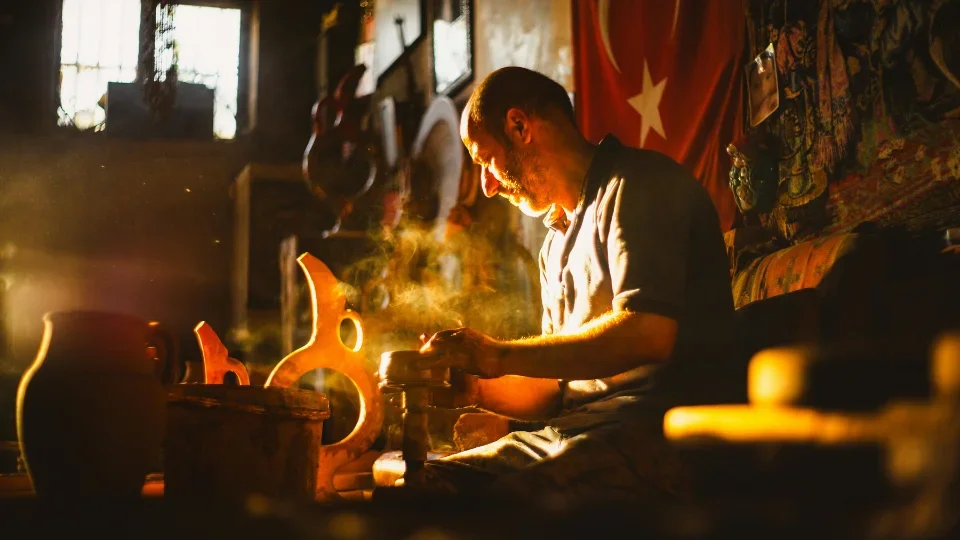
Iznik became famous during the Ottoman period. The city produced tiles for many important buildings. Blue Mosque decorations and many palace interiors used Iznik tiles. Turkish cini tiles from Iznik usually contain tulips, carnations, leaves and geometric designs. Blue, turquoise and red colors are very common. Modern workshops still continue this tradition. Visitors can watch artists paint every line by hand. Small museums explain how Ottoman tiles were produced. Travelers using the Museum Pass Türkiye can also visit several museums and historic sites that preserve original Ottoman ceramics and Iznik tile collections.
Kutahya Pottery Tradition
Kutahya became an important ceramic center after Iznik production became smaller. Today, the city remains one of Turkey's leading pottery regions. Kutahya pottery Turkey products include plates, bowls, coffee cups, decorative tiles and wall panels. Local artists often use flowers, birds and traditional patterns. Handmade pieces show small differences in color and brush strokes. These details make every product unique. Many workshops belong to families that have worked with ceramics for generations. Visitors can meet the artists and learn about their techniques.
Avanos Pottery in Cappadocia
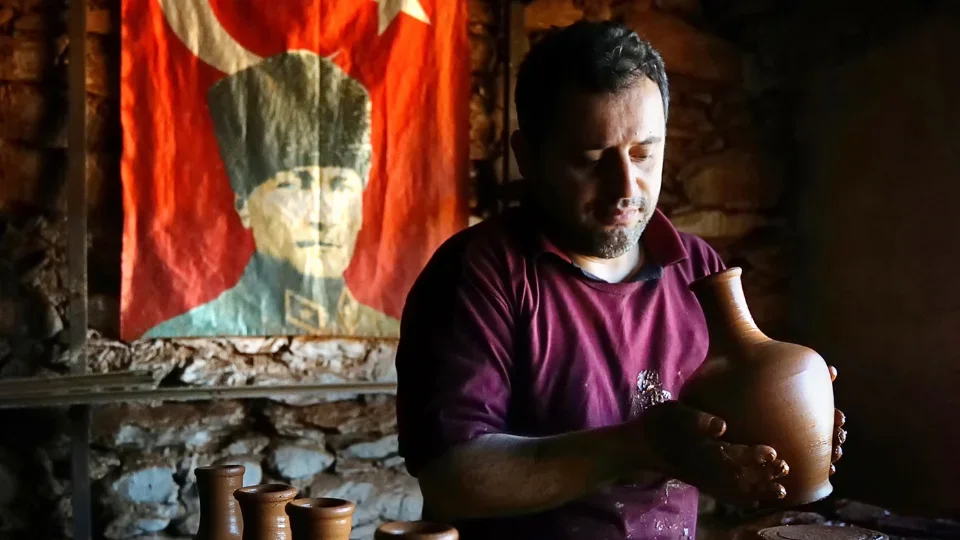
Avanos pottery Cappadocia is very different from Ottoman ceramics. Local artists use red clay from the Kizilirmak River. Pottery production in this area goes back thousands of years. Avanos workshops are famous for pottery wheel demonstrations. Masters shape clay using traditional methods. Visitors often try the pottery wheel themselves. Terracotta pots, vases, decorative bowls and handmade objects are common products. Many studios offer short classes. Visitors can create their own pottery pieces and take them home.
How to Join a Turkish Pottery Workshop?
A Turkish pottery workshop gives visitors a chance to experience local culture. Most workshops begin with a short introduction. Artists explain the history of pottery in the region. Visitors watch a demonstration. Many studios allow guests to use the pottery wheel. Painting sessions are also available. Some workshops last one hour. Others may continue for several hours. Several studios can ship finished products internationally after firing.
Iznik vs Kutahya Ceramics
Many travelers ask about Iznik vs Kutahya ceramics. Iznik ceramics focus mainly on Ottoman tile traditions. The designs often appear more formal and historical. Kutahya ceramics include more everyday products. The colors are usually brighter. Artists produce household items as well as decorative pieces. Avanos pottery is different from both regions. The main focus is clay shaping and terracotta production. Understanding these differences helps visitors choose the right products.
FAQ
Are Turkish Ceramics Handmade?
Many traditional workshops still produce ceramics by hand. Some tourist stores sell factory-made products.
Which City Is Best For Pottery in Turkey?
Avanos is famous for pottery workshops. Kutahya is known for painted ceramics. Iznik is famous for Ottoman tile art.
Can Visitors Make Their Own Pottery?
Yes. Many workshops allow visitors to use pottery wheels and paint ceramic pieces.
Are Turkish Ceramics Safe To Carry Home?
Most workshops provide protective packaging. Some studios offer international shipping services.
What Is The Difference Between Cini and Pottery?
Cini usually refers to painted tiles and decorative ceramics. Pottery often focuses on clay shaping and functional products.
How to Buy Authentic Ceramics in Turkey?
Many souvenir shops sell factory products. Some imported items also appear in tourist areas. Travelers who want to buy authentic ceramics Turkey products should visit workshops directly. Look for artist signatures. Ask where the product was made. Examine hand-painted details carefully. Small differences usually show handmade work. Artists often explain the production process. Many workshops provide certificates of authenticity. Handmade ceramics may cost more. However, they usually offer better quality and greater cultural value. Buying directly from artists also supports local traditions.
Turkish ceramics tell the story of many regions and many generations. Watching masters work creates a deeper connection with Turkish culture. Joining a workshop makes travel more meaningful. Buying directly from artists supports local families and traditional craftsmanship. Contact us to add ceramic workshops, pottery classes and cultural experiences to your Turkey itinerary. Discover the artistic side of Turkey and bring home a handmade piece of its history.


Customer Review
E
Emily Clark
Such a wonderful guide! I had no idea that you could actually visit the workshops and try the pottery wheel yourself in Avanos. The detailed breakdown of the colors and patterns used in different regions was super interesting. Can't wait to visit Istanbul and Cappadocia soon!
Reply