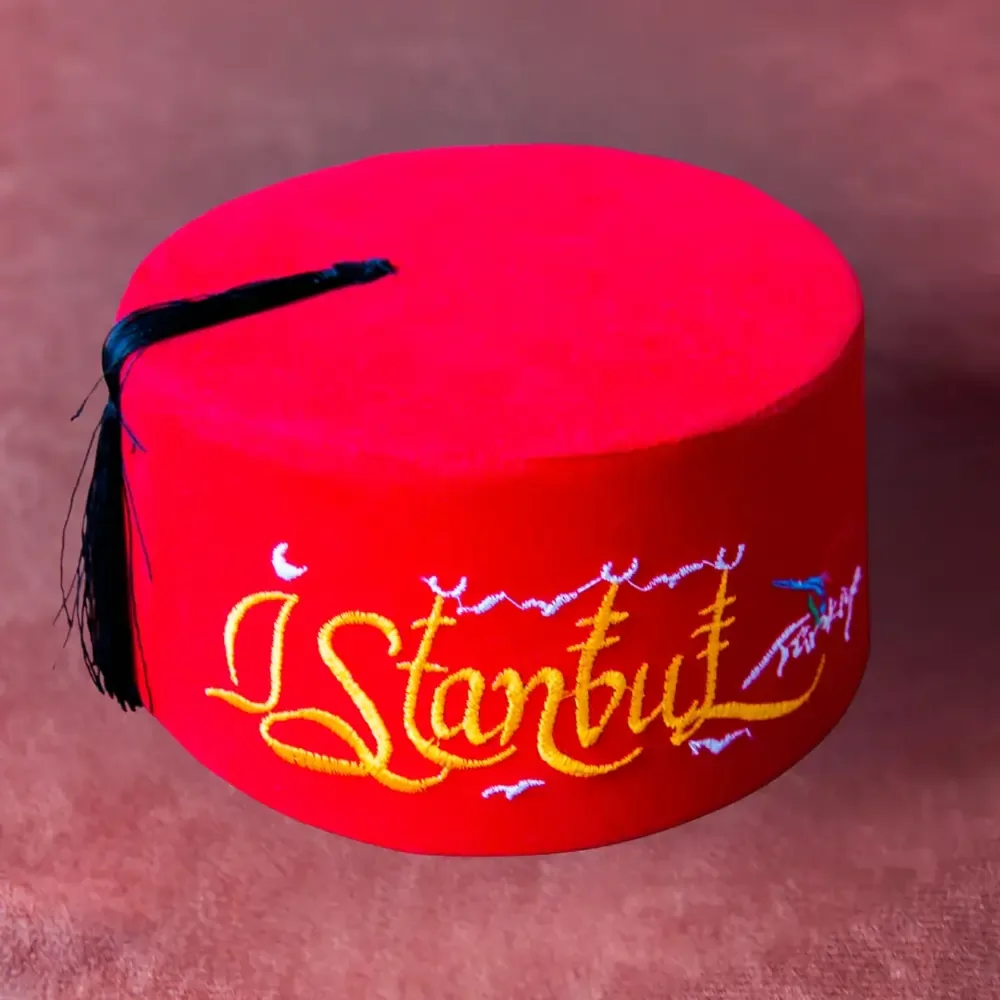

Mouth Watering Turkish Delight
Turkish delight, known in Turkey as lokum, is one of the country’s most iconic sweets. Soft, fragrant and gently chewy, it has been part of Turkish hospitality for centuries and remains one of the most memorable flavors visitors try in Istanbul.
📌 Quick Guide: Turkish Delight
- Turkish name: Turkish delight is called lokum in Turkey.
- Main ingredients: Traditional lokum is made with sugar, starch, water and natural flavorings.
- Classic flavors: Rose, pistachio, lemon, pomegranate, walnut and hazelnut are among the most popular types.
- Best experience: Try lokum in Istanbul’s historic sweet shops, the Spice Market or during a guided food tour.
Many people first hear about Turkish delight through The Chronicles of Narnia, where Edmund famously asks for this mysterious sweet. In real life, lokum is not just a fantasy dessert. It is a traditional Turkish confection with deep roots in Ottoman culture, family gatherings, religious holidays and coffee rituals.

“It is dull, Son of Adam, to drink without eating," said the Queen presently. "What would you like best to eat?"
"Turkish Delight, please, your Majesty," said Edmund.” ― C.S. Lewis ( The Chronicles of Narnia )
What Is Turkish Delight?
Turkish delight is a soft confection traditionally made by cooking sugar, starch and water until the mixture reaches a smooth, elastic texture. It is then flavored with ingredients such as rose water, lemon, mastic, pomegranate or nuts before being cut into small cubes and lightly dusted.
The texture is one of the most important signs of good lokum. It should feel soft and tender, not rubbery, dry or overly sticky. A well-made piece melts slowly in the mouth and leaves a delicate flavor rather than a heavy sugar taste.

Why Is Turkish Delight Called Lokum?
The Turkish name lokum is linked to the Ottoman phrase rahatü’l-hulkum, often interpreted as “comfort for the throat.” Over time, the word became shorter and easier to pronounce, eventually becoming lokum in Turkish.
The English name “Turkish delight” became popular in Europe as travelers and merchants introduced the sweet to Western audiences. Today, both names are widely used, but in Turkey you will usually see it sold as lokum.
A Short History of Turkish Delight
Lokum became especially famous during the Ottoman period, when sweets played an important role in palace life, celebrations and hospitality. It was served to guests, offered with Turkish coffee and prepared in many flavors for special occasions.
One of the most important names in the history of Turkish delight is Haci Bekir. The famous confectioner opened his shop in Istanbul in 1777 and helped shape the refined version of lokum known today. His legacy is still closely connected with traditional Turkish confectionery in Istanbul.
Historic travelers also wrote about lokum during their visits to the Ottoman Empire, describing it as a fragrant sweet that softened in the mouth. These early accounts show how Turkish delight became a memorable part of Istanbul’s culinary identity.
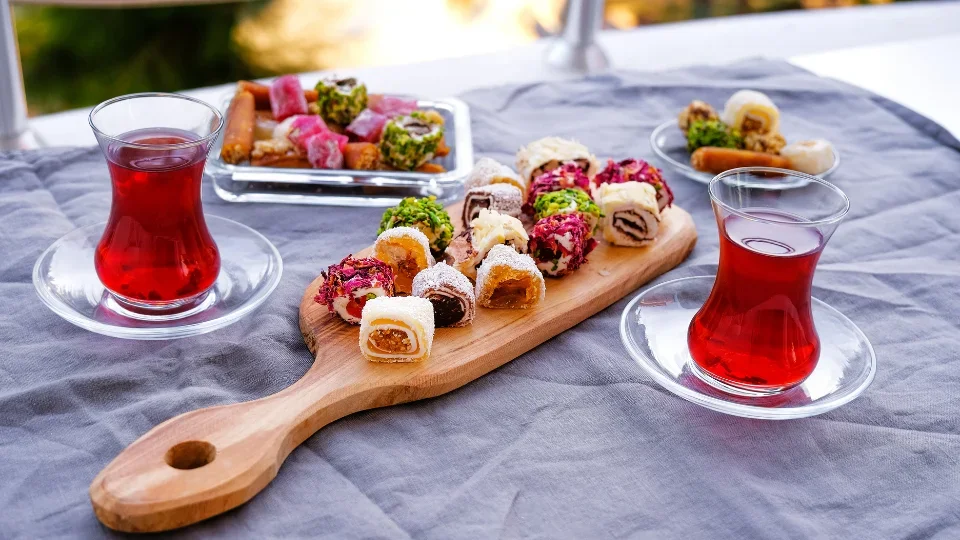
Most Popular Turkish Delight Flavors
There are many types of Turkish delight, ranging from traditional recipes to modern combinations with chocolate, coconut, and dried fruit. If you're trying Turkish delight for the first time, it's worth starting with the classic flavors before exploring more contemporary varieties.
-
Rose: The most traditional Turkish delight flavor, known for its delicate floral aroma and soft sweetness. It's the ideal choice for first-time visitors looking for an authentic experience.
-
Pistachio: Rich, nutty, and one of the most popular premium varieties. Pistachio Turkish delight is commonly chosen as a souvenir or gift because of its luxurious taste.
-
Walnut: A hearty option with a deeper, earthier flavor. Walnut Turkish delight is perfect for those who enjoy nut-based sweets with a more robust texture.
-
Pomegranate: Sweet with a mild tangy finish, this modern flavor offers a refreshing alternative to traditional varieties and is popular among fruit lovers.
-
Lemon: Light, citrusy, and refreshing. Lemon Turkish delight is less sweet than many other varieties, making it a great option for those who prefer lighter desserts.
-
Mastic: Made with natural mastic resin, this variety has a unique aromatic flavor that reflects regional Turkish culinary traditions. It's an excellent choice for adventurous food lovers looking to try something distinctive.
When Do Turkish People Eat Lokum?
Lokum is often served with Turkish coffee because its sweetness balances the strong, bitter taste of the coffee. It is also offered to guests at home, shared during holidays and bought as a gift when visiting friends or family.
During Ramadan and religious festivals, Turkish delight becomes even more visible in sweet shops and family gatherings. It is easy to serve, easy to share and closely connected with the Turkish tradition of welcoming guests.
Can You Make Turkish Delight at Home?
Turkish delight can be made at home, but it requires patience and careful cooking. The basic ingredients are simple: sugar, starch, water and flavoring. However, the texture depends on slow cooking, correct consistency and enough resting time.
Homemade lokum is usually softer and less polished than shop-bought versions. For travelers, tasting freshly made lokum in Istanbul is the best way to understand what the texture and flavor should be like before trying to make it at home.
Where Can You Taste Turkish Delight in Istanbul?
Istanbul is one of the best cities to taste lokum because it offers both historic confectionery shops and lively market experiences. The Spice Market is one of the most popular places to see colorful Turkish delight displays, while traditional sweet shops offer a more classic tasting experience.
If your main goal is shopping, choosing fresh boxes and comparing reliable shops, read our full guide on where to buy Turkish delight in Istanbul. It explains the best markets, brands, quality signs and souvenir tips in more detail.

Is Turkish Delight a Good Souvenir from Turkey?
Yes, Turkish delight is one of the most practical souvenirs from Turkey. It is light, easy to pack and available in many flavors. Sealed or vacuum-packed boxes are usually better for travel than loose pieces.
For the best result, choose fresh lokum from a trusted shop and ask how long it will stay fresh. Nut-filled varieties such as pistachio, walnut and hazelnut are especially popular as gifts.
How to Experience Turkish Delight Like a Local
The best way to enjoy lokum is not to rush. Try a small piece with Turkish coffee, compare different flavors and notice the texture. In Istanbul, lokum is part of a wider dessert culture that includes baklava, milk puddings, halva and seasonal sweets.
A guided culinary experience such as the Half-Day Istanbul Private Food Tour & Culinary Experience can help you taste Turkish delight together with other local specialties while learning how sweets fit into daily life, markets and traditional hospitality.
🎒 Taste Turkish Delight with a Local Guide
Turkish delight is easier to understand when you taste it with local context. A private food experience can help you discover authentic lokum, traditional sweet shops and the flavors that make Istanbul’s dessert culture so memorable.
Contact us today to arrange:
- Local Sweet Tasting: Try lokum, baklava and other Turkish desserts with expert guidance.
- Historic Market Visit: Explore places such as the Spice Market with practical local tips.
- Food Culture Experience: Learn how Turkish delight connects with coffee, hospitality and Ottoman traditions.
Frequently Asked Questions
What is Turkish delight made of?
Turkish delight is usually made with sugar, starch, water and flavorings such as rose, lemon, pomegranate or mastic. Nut-filled versions may include pistachios, walnuts or hazelnuts.
What does lokum mean?
Lokum is the Turkish name for Turkish delight. It is linked to the Ottoman phrase rahatü’l-hulkum, often interpreted as comfort or relief for the throat.
What is the most traditional Turkish delight flavor?
Rose is one of the most traditional Turkish delight flavors. Pistachio lokum is also one of the most popular choices, especially for visitors buying sweets as souvenirs.
Where can I try Turkish delight in Istanbul?
You can try Turkish delight in historic confectionery shops, the Spice Market, the Grand Bazaar and selected local dessert shops. A guided food tour can help you taste better-quality lokum with local context.