Turkish Carpets vs. Kilim: How to Identify Quality and Style
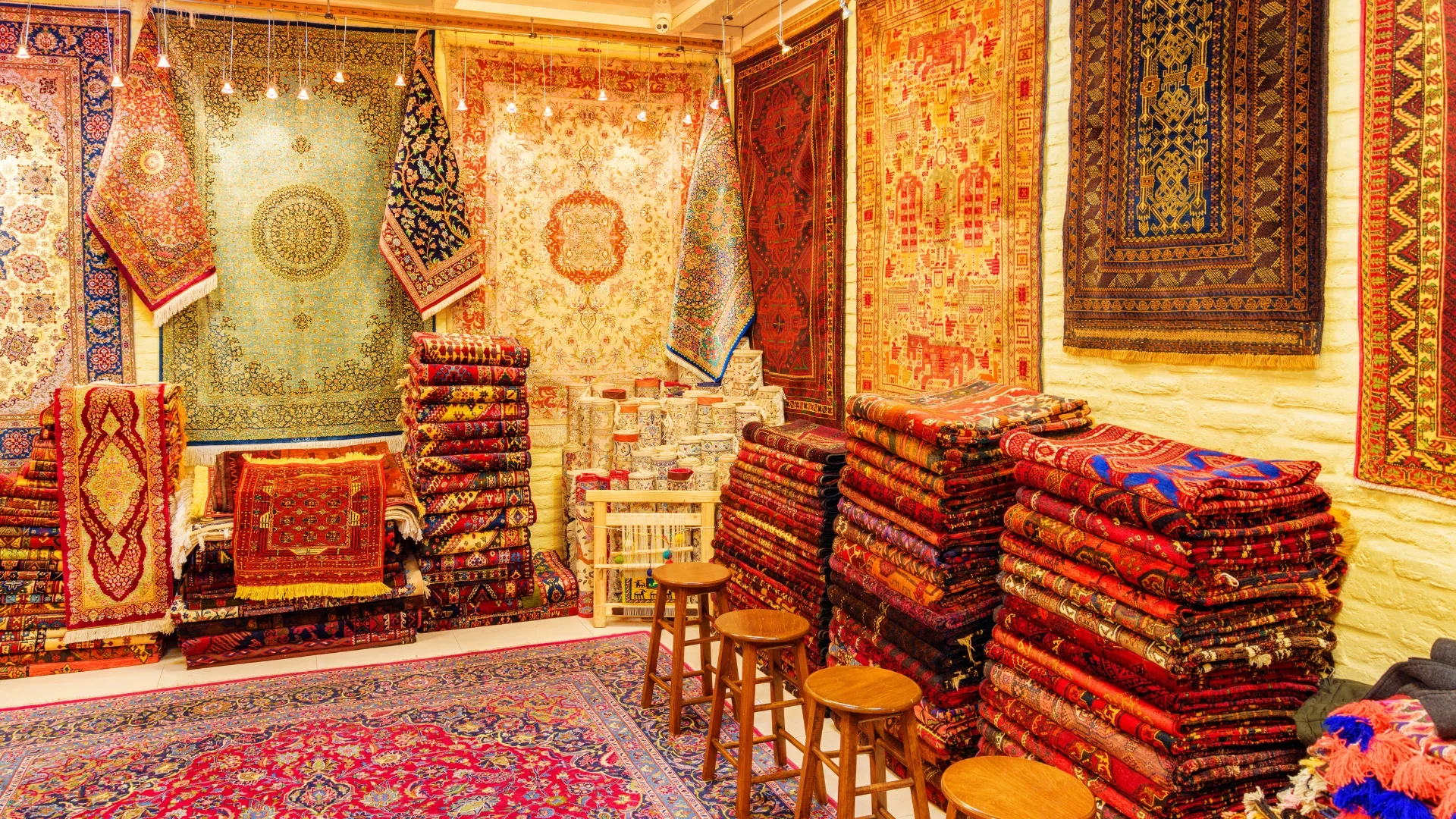
Turkey has a strong rug culture. Many travelers search for Turkish rugs guide, handmade carpets, kilim meaning, and where to buy rugs in Turkey before a trip. A real rug is not just decor. It is part of history. It shows daily life in Anatolia. It reflects culture and tradition. Many visitors want to see this art in real life. A program such as Istanbul Private Shopping Tour: Grand Bazaar & Spice Market can include visits to carpet shops. This helps travelers understand carpets and rugs before buying.
Difference Between a Turkish Carpet and a Kilim
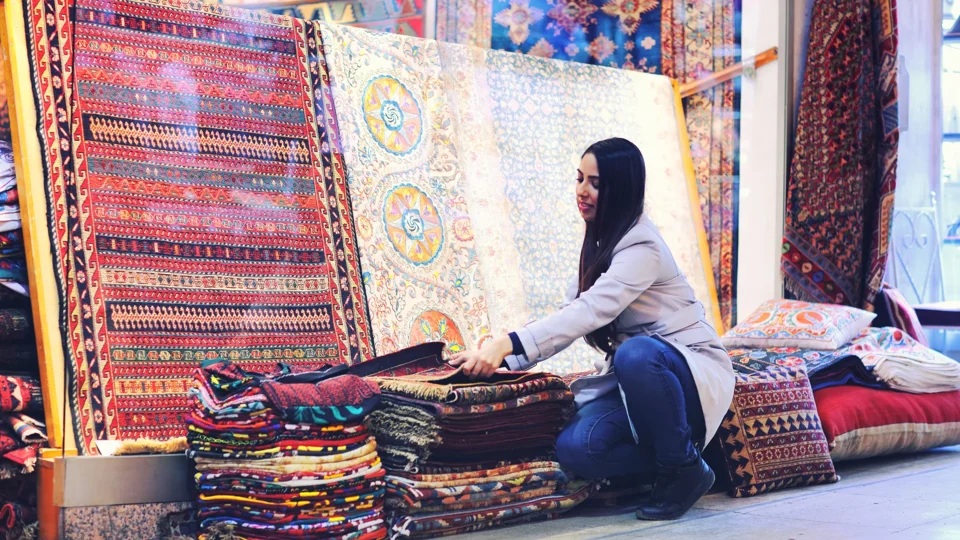
The main difference is structure. A Turkish carpet has a soft surface. This comes from knots. A kilim has no pile. It is flat woven. This makes it lighter. Kilim uses a flat weave method. There are no knots. Because of this, kilim looks more graphic. It is often easier to carry during travel.
- Carpets feel soft under feet. Kilims feel thin and smooth.
- Carpets often show more detail. Kilims show clear shapes and strong lines.
Many carpets use the Turkish knot. This knot is also called Ghiordes knot. It is a key feature in Turkish weaving. Turkish weaving traditions are recognized as part of UNESCO cultural heritage. It come from Anatolia and date back to the Seljuk and Ottoman periods. Each region developed its own patterns, techniques, and color styles. These traditions are still preserved today and are recognized as an important part of culture.
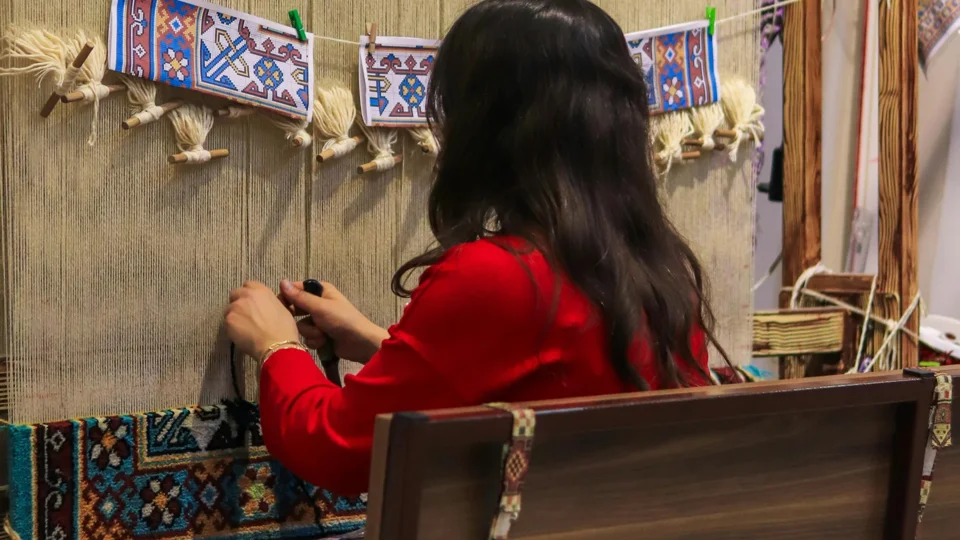
Handmade Rugs
A handmade rug takes time. It also shows skill. Each region has its own style. Materials matter: wool is common, cotton is used for base, silk appears in fine rugs. Handmade rugs are not perfect. Small changes in pattern appear. These are normal. They show human work. Machine rugs look too perfect. This is one key difference. Natural dyes are also important. Colors come from plants or minerals. This creates soft color changes. This effect is called abrash. It gives life to the rug.
Where to Buy Rugs?
Many travelers want safe shopping. Istanbul is a popular place. Grand Bazaar is well known. There are also smaller shops with better focus on quality. It is important to compare shops. Do not rush. A very cheap rug may not be handmade. Some rugs use synthetic fibers.
Visit a museum first. This trains the eye. It becomes easier to see quality later. Knowledge reduces risk. One of the best places to start is the Museum of Turkish and Islamic Arts. It holds one of the most important carpet collections in the world, including rare Seljuk rugs. Visitors can better understand patterns, weaving techniques, and regional styles before making a purchase.
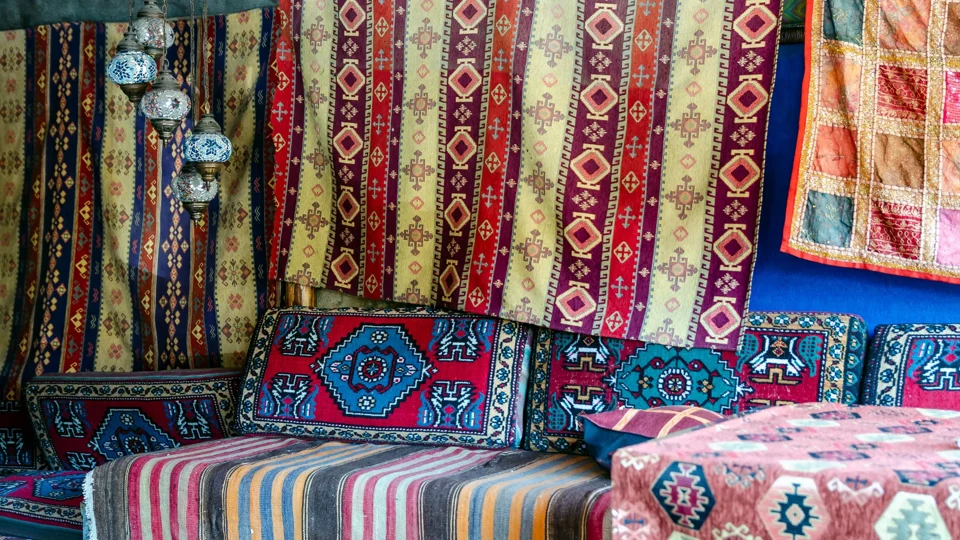
How Can You Tell If a Turkish Rug is High Quality?
- Start with the back side. A handmade rug shows pattern on both sides. Knots are visible. Machine rugs show a flat backing
- Check the fringe. Real fringe is part of the rug. It is not added later. Then touch the material. Wool feels natural. Silk reflects light softly
- Look at density. More knots often mean better detail. This is important for silk rugs. Kilims do not use knots. Quality in kilim depends on tight weaving and clean lines
- Ask questions to the seller. Ask about origin. Ask about materials. Ask about dyes. A good seller gives clear answers
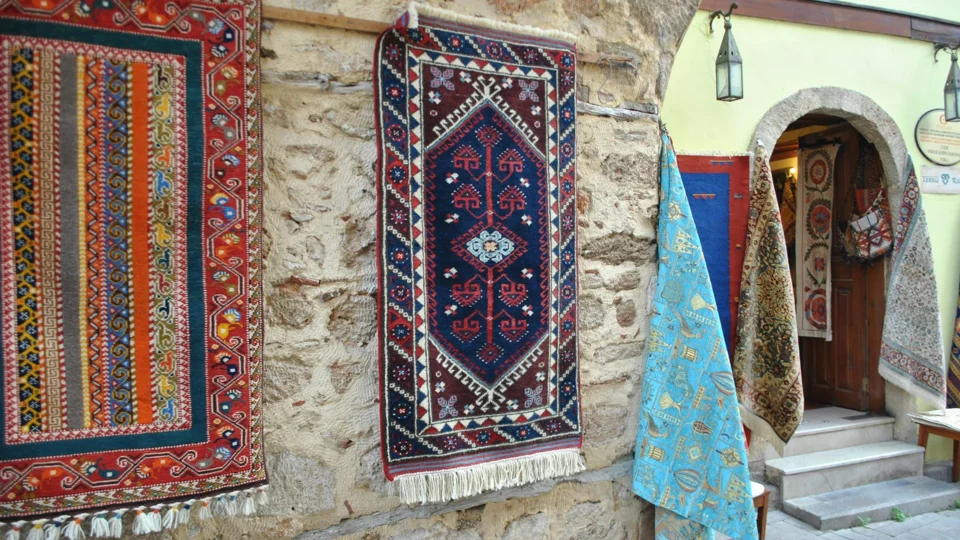
Which Turkish Rug Styles are Best Known?
Turkey has many rug regions. Each region has a style.
- Hereke rugs are famous for silk. They show fine detail
- Usak rugs use soft colors. Patterns look large
- Konya and Bergama rugs show strong traditional designs
- Kayseri rugs often mix silk and cotton
Kilim styles also change by region. Some show geometric shapes. Some use soft tones. Some look bold and tribal. A guided experience such as Istanbul Private Shopping Tour helps compare these styles. This prevents fast decisions during shopping.
FAQ
Is a Kilim Better Than a Carpet?
No. They are different. Kilim is light. Carpet is soft. Choice depends on use and taste.
Do Real Turkish Rugs Use Natural Dyes?
Many high quality rugs use natural dyes. These colors look softer over time. They age well.
How Do I Know If a Rug is Handmade?
Look at the back. Check knots. Check fringe. Small irregular details are normal.
Should I Buy a Rug in Istanbul or in Cappadocia?
Both are good options. The key point is seller quality. Honest sellers give full information.
Turkish rugs are part of culture. Kilim also carries history. Each piece tells a story. Learning basic signs helps avoid mistakes. It also makes shopping more enjoyable. A well planned visit creates a better experience. It helps connect with local culture. It also helps make a smart purchase. If you want to explore real Turkish rugs, local workshops, and authentic markets, contact us today. Add a cultural shopping experience to your trip. Choose the right tour and discover the true art of handmade carpets in Turkey.