Beyond the Guidebooks: Exploring Istanbul’s Hidden Ottoman Palaces
Topkapi Palace and Dolmabahce Palace appear on almost every Istanbul itinerary. However, the city has several smaller royal residences that many tourists never visit. These hidden Ottoman palaces in Istanbul offer peaceful gardens, beautiful rooms and fascinating stories about Ottoman court life. Some of these buildings are called kasir in Turkish. A kasir is a small imperial pavilion that sultans used for rest, hunting or short visits. These residences are smaller than Istanbul’s famous palace complexes. Yet their architecture and decoration can be just as impressive.
If you want to discover Istanbul hidden gems away from the busiest attractions, add these six Ottoman palaces and pavilions to your travel plan.
Aynalikavak Pavilion: a Hidden Palace on the Golden Horn
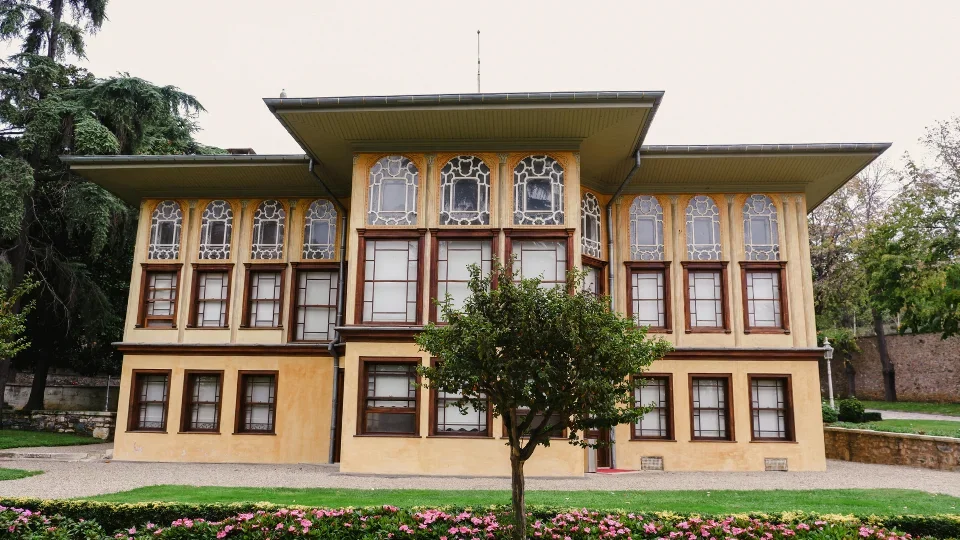
Aynalikavak Pavilion stands in Haskoy on the northern shore of the Golden Horn. It is the only surviving structure from the former Tersane Palace complex. Its history reaches back to the 1600s. Most of the present building reflects traditional Ottoman design from the 1700s.
The pavilion has a strong connection with Sultan Selim III. He was an Ottoman ruler as well as a talented composer. He also supported classical Turkish music. Today, the building houses the Aynalikavak Music Museum. Its collection helps visitors understand the role of music in Ottoman palace life. Large windows bring natural light into the rooms. Painted ceilings, calligraphy and detailed wall decoration create a warm atmosphere. The quiet garden also provides a relaxing escape from Istanbul’s busy streets.
Allow around 45 to 60 minutes for the pavilion and its grounds. You can combine your visit with Fener, Balat or Eyup. A Private Istanbul 2-Day Guided Tour can also include the Golden Horn’s cultural landmarks and less crowded historic sites.
Ihlamur Pavilion: a Hidden Ottoman Palace in Besiktas
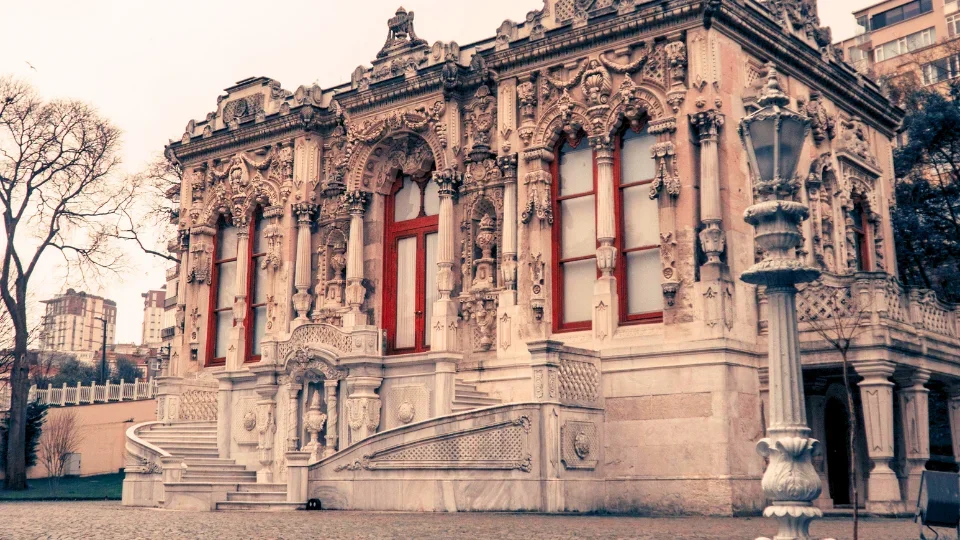
Ihlamur Pavilion sits in a green valley between Besiktas, Yildiz and Nisantasi. Sultan Abdulmecid ordered the construction of two pavilions between 1848 and 1855. The Ceremonial Pavilion hosted official meetings and royal receptions. Its carved exterior, curved staircase and rich decoration show the European influence on late Ottoman architecture. The quieter Retinue Pavilion served the sultan’s family and other members of the court.
The complex takes its name from the linden trees that once covered the valley. Its garden still makes Ihlamur one of the most peaceful secret places in Istanbul. The site is compact and easy to explore. Plan around one hour for your visit. Ihlamur Pavilion is close to Dolmabahce Palace, Besiktas and Nisantasi. Visit in the morning if you want fewer people and softer light for outdoor photographs.
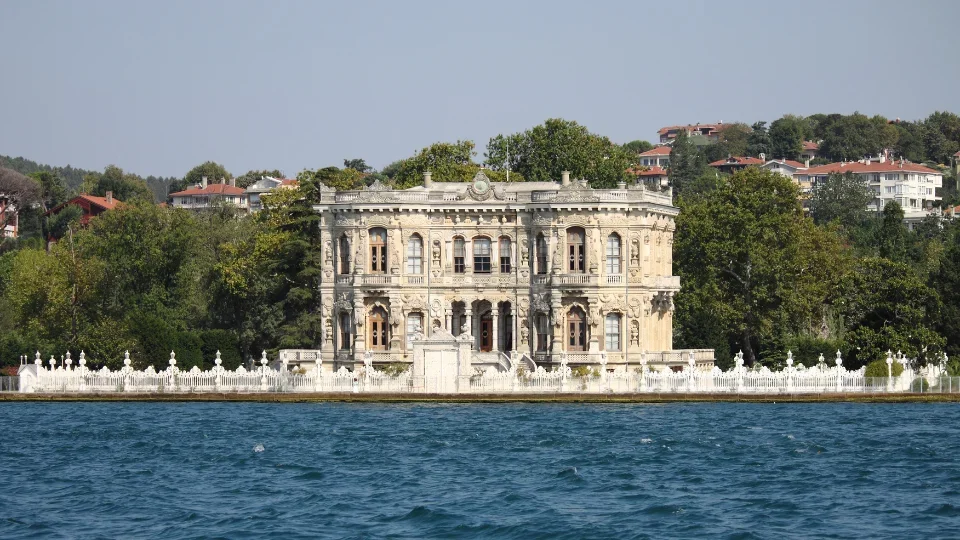
Kucuksu Pavilion: an Ottoman Palace on the Bosphorus
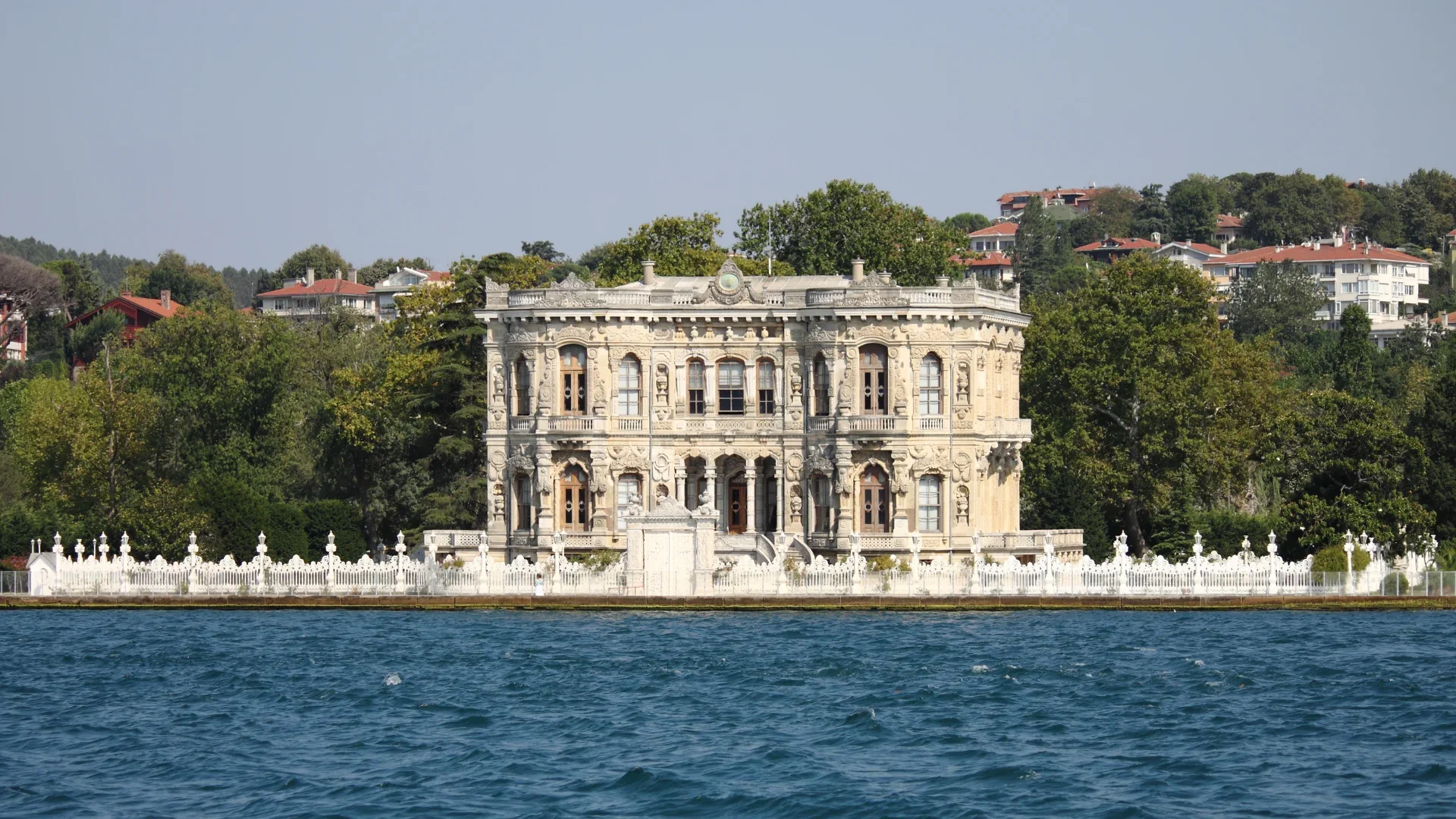
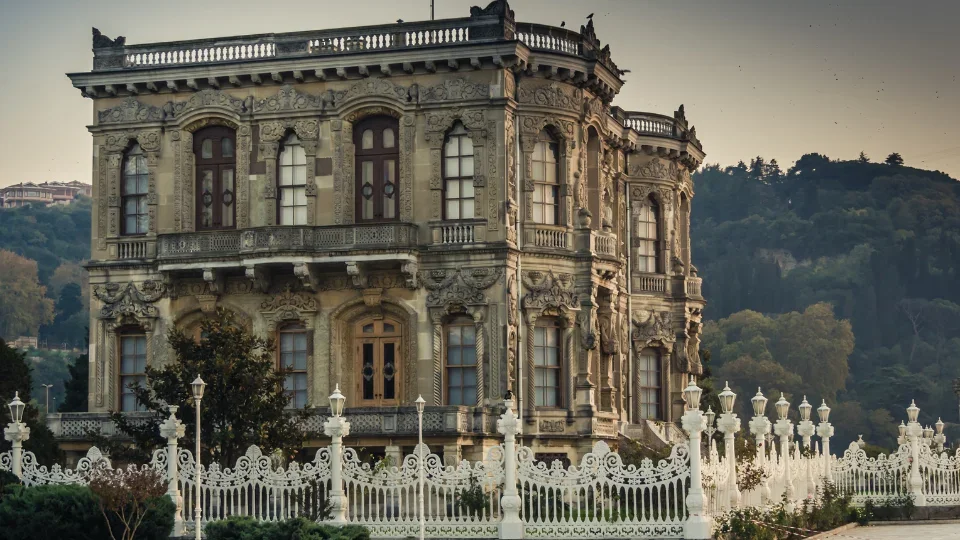
Kucuksu Pavilion stands beside the Bosphorus on Istanbul’s Asian side. Sultan Abdulmecid commissioned the current building during the 1800s. Ottoman sultans used it for short stays and hunting trips rather than as a permanent royal home.
The waterfront pavilion has three levels including its basement. Its stone exterior features detailed carvings. Inside, visitors can see painted ceilings, decorative fireplaces, European furniture and elegant plasterwork. The setting makes Kucuksu one of the best Bosphorus palaces for photography. The waterfront has clear views of Rumeli Fortress. Anadoluhisari and the Goksu area are also nearby.
Spend around 45 minutes inside the pavilion. Leave extra time for the waterfront and surrounding neighborhood. An Istanbul Combo: City Highlights and Bosphorus Cruise can connect the city’s royal history with its famous waterside views.
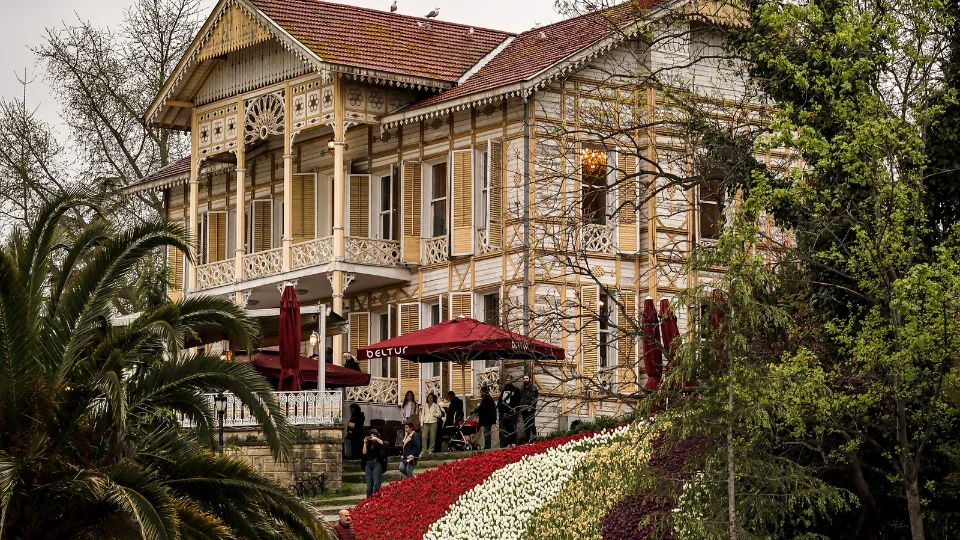
Maslak Pavilions: a Quiet Ottoman Palace in Istanbul
The Maslak Pavilions stand in a large green area in Sariyer. The complex includes royal rooms, gardens, service buildings and a greenhouse. It is closely linked to Sultan Abdulhamid II. He lived here before becoming sultan in 1876.
Maslak presents a quieter side of imperial life. The buildings feel more like a country residence than a formal palace. Visitors can see private rooms and furniture from the late Ottoman period. The greenhouse also reflects the royal family’s interest in plants and garden design. This is one of the best uncrowded attractions in Istanbul for travelers who enjoy nature, architecture and photography. Spring offers colorful flowers while autumn brings warm colors to the gardens.
Maslak is farther from Istanbul’s main tourist area. Allow time for transportation and plan at least one hour for the complex. It is a practical stop to combine with Emirgan, Sariyer or the northern Bosphorus.
Travel Tip: Use an Istanbulkart to reach pavilions more easily by metro and bus. The reusable transport card works across Istanbul’s public transportation network, including the metro, buses, trams and ferries. Check the route in a navigation app before leaving, as the final part of the journey may require a short walk or bus connection.
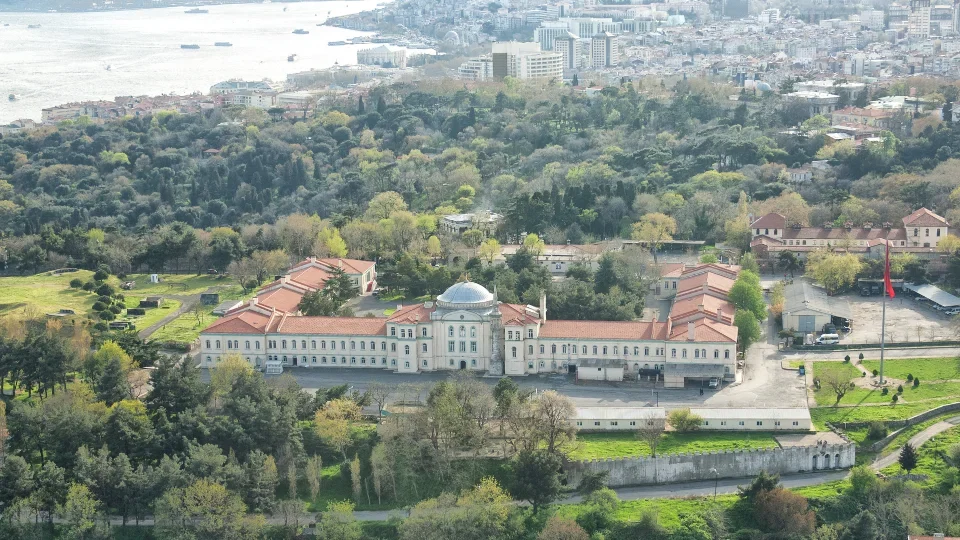
Yildiz Palace: a Lesser-Known Imperial Complex
Yildiz Palace is larger than the other places on this list. However, many visitors still pass it while traveling between Besiktas and Ortakoy. The complex became the main residence and administrative center of Sultan Abdulhamid II in the late 1800s.
Yildiz is not a single large building. It includes state rooms, private pavilions, courtyards and landscaped grounds. The complex served as the Ottoman Empire’s last major administrative palace. It shows how royal life changed during the empire’s final decades.
Plan at least two hours for Yildiz Palace. The site is easy to combine with Yildiz Park, Besiktas or Ortakoy. A Private Istanbul 3-Day Guided Tour gives you enough time to explore famous monuments as well as lesser-known examples of Ottoman architecture in Istanbul.
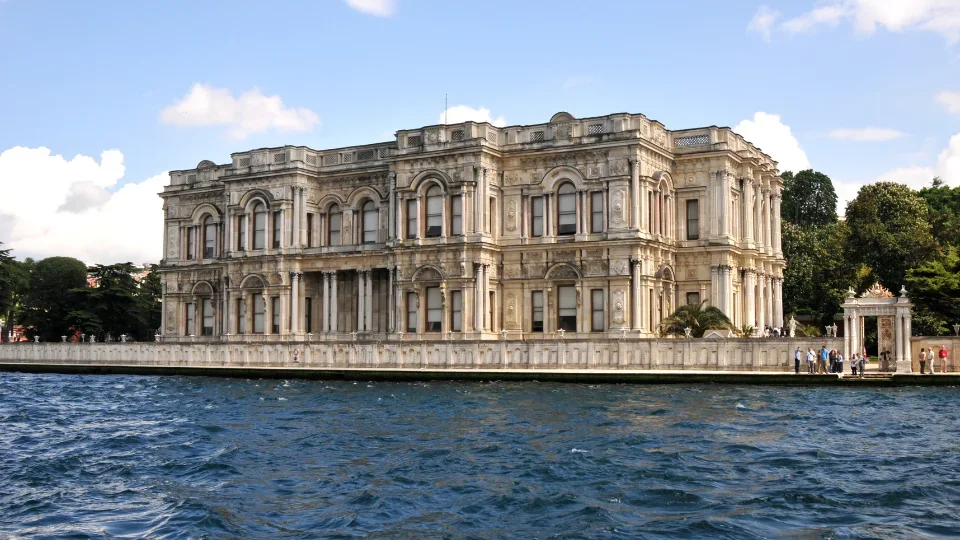
Beylerbeyi Palace: a Royal Summer Home on the Bosphorus
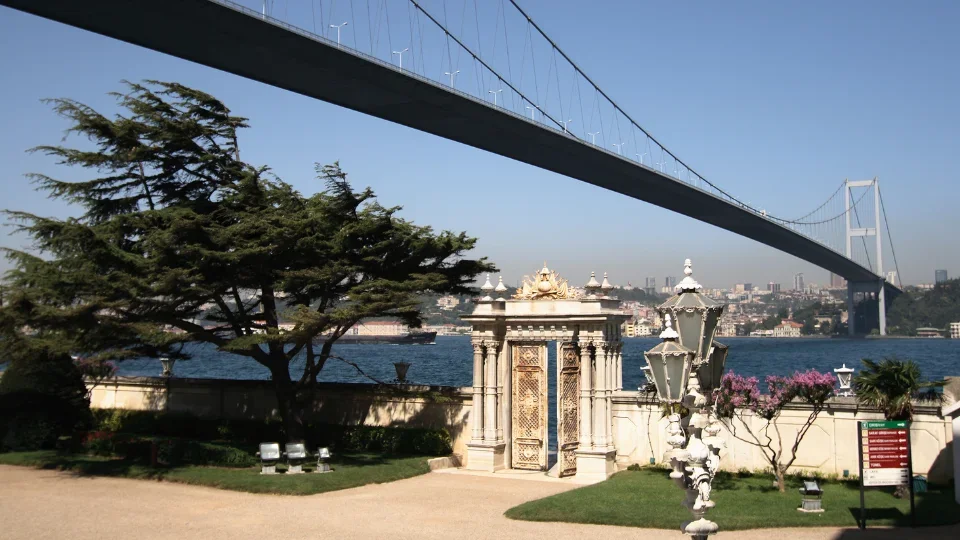
Beylerbeyi Palace stands directly beside the Bosphorus on Istanbul’s Asian side. Sultan Abdulaziz ordered its construction between 1863 and 1865. The palace served as an imperial summer residence and a state guest house for foreign rulers visiting the Ottoman Empire. Famous guests included Empress Eugenie of France, Emperor Franz Joseph of Austria-Hungary and German Emperor Wilhelm II. The palace also became the final home of Sultan Abdulhamid II. He spent the last six years of his life here after he was removed from the throne.
The interior combines Ottoman traditions with Western decorative styles. The main building has 24 rooms and six halls. Hereke carpets, Baccarat crystal chandeliers, porcelain vases and elegant clocks decorate the palace. One of its most memorable spaces is the Marble Hall, where a large indoor pool creates a cool atmosphere during summer.
Outside, terraced gardens rise above the waterfront. Visitors can also see the beautiful Marine Kiosks from the grounds, although several smaller palace buildings are currently closed to the public.
Plan around 90 minutes for the palace and gardens. Beylerbeyi is easy to combine with Uskudar, Camlica Hill or Kucuksu Pavilion. You can also see it during a Istanbul Asian Side Private Tour.
How Can You Visit Istanbul’s Hidden Ottoman Palaces?
Aynalikavak, Ihlamur, Kucuksu, Beylerbeyi and Maslak are normally closed on Mondays. Yildiz Palace is closed on Wednesdays. Ticket offices currently operate from 9:00 a.m. to 5:00 p.m. Holiday schedules and open sections can change. Check the official National Palaces website before leaving your hotel.
The palaces are spread across Istanbul’s European and Asian sides. Do not try to visit all five in one day. Choose two sites in the same area and add nearby attractions to create a comfortable route.
Tourist Museum Pass Istanbul products should not be confused with the Musekart+ available to eligible Turkish citizens. Current Musekart+ rules include Aynalikavak, Ihlamur, Kucuksu and Maslak. Other pass types may exclude National Palaces or require separate tickets. Always check the rules for your exact card before visiting.
FAQ
What Are the Best Hidden Palaces in Istanbul?
Kucuksu is ideal for Bosphorus views. Ihlamur offers a peaceful garden near central districts. Aynalikavak is best for music history. Maslak suits nature lovers while Yildiz provides the deepest look at late Ottoman royal life.
Are Istanbul’s Ottoman Palaces Open to Visitors?
Yes. All five sites in this guide welcome visitors. However, certain rooms may close for restoration or special events.
Which Ottoman Palace Has the Best Bosphorus View?
Kucuksu Pavilion has the best direct waterfront setting. It also offers views toward Rumeli Fortress on the European shore.
Can You Visit Several Ottoman Palaces in One Day?
You can comfortably visit two nearby sites. Ihlamur and Yildiz make a practical pair. Kucuksu can be combined with Anadoluhisari and other Asian-side attractions.
When Is the Best Time to Visit?
Spring and early autumn offer pleasant weather for palace gardens. Arrive close to opening time for a quieter experience and better outdoor photographs.
These hidden Ottoman palaces in Istanbul take you beyond the city’s busiest landmarks. Each residence reveals a different part of royal life through music, gardens, architecture or Bosphorus scenery. Contact us to plan a private Istanbul tour and discover historic places that many visitors never see.