
Is Turkey Safe to Travel in 2026? Istanbul, Advisory & Areas to Avoid
Last updated: June 26, 2026. Official advisories checked: U.S. State Department, UK FCDO, Government of Canada.
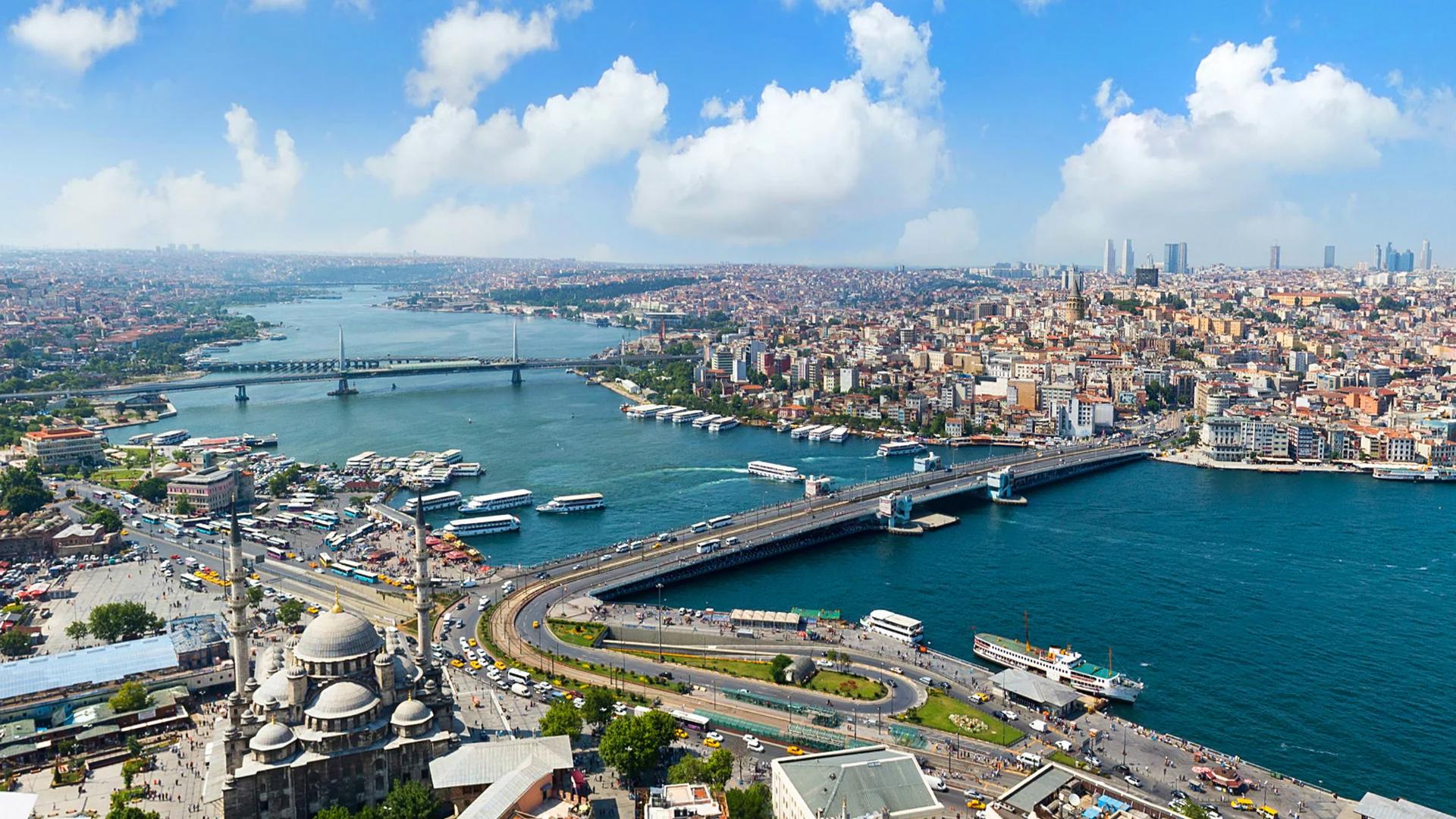
Is Turkey safe for tourists in 2026? For most travelers visiting classic routes such as Istanbul, Cappadocia, Antalya, Ephesus, Pamukkale, Bodrum and Fethiye, Turkey remains a practical and rewarding destination. The key is to separate popular tourist regions from higher-risk border areas, follow official travel advisories, avoid demonstrations and use normal big-city awareness.
📌 Quick Guide: Turkey Travel Safety in 2026
- Tourist routes are generally suitable for visitors: Istanbul, Cappadocia, Antalya, Bodrum, Fethiye, Ephesus and Pamukkale operate normally for tourism with standard precautions.
- Check official advisories before departure: The U.S., UK, Canadian and other government travel advice pages should be reviewed close to your flight date.
- Avoid high-risk border areas: Do not plan sightseeing near the Syria or Iraq borders, especially areas highlighted by your own government advisory.
- Use smart city habits: Keep valuables secure, avoid political gatherings, use licensed transport and ask hotels or guides for local updates.
Is Turkey Safe for Tourists in 2026?
Yes, Turkey is safe for most tourists who stay on established travel routes and follow official advice. Popular destinations such as Istanbul, Cappadocia, Antalya, Bodrum, Fethiye, Ephesus and Pamukkale are far from the most strongly warned border regions.
No destination is completely risk-free. Turkey’s main travel concerns in 2026 are regional tensions, terrorism risk, demonstrations, petty theft in crowded areas and specific warnings for parts of the southeast. Travelers should treat safety as a planning issue, not a reason to panic.
Official Turkey Travel Advisory Snapshot for June 2026
Travel advisories can change quickly, especially during regional tension in the Middle East. Before booking or departing, compare your own government’s advice with the latest updates from official sources, such as the U.S. Department of State Turkey Travel Advisory .
| Source | Current advice | Areas to avoid | Last checked |
|---|---|---|---|
| U.S. State Department | Level 2: Exercise Increased Caution | Syria/Iraq border region | June 26, 2026 |
| UK FCDO | Advises against all travel within 10 km of Syria border | Syria border | June 26, 2026 |
| Canada | Exercise high degree of caution | 10 km of Iraq/Syria borders | June 26, 2026 |
For UK travelers, the FCDO Turkey travel advice is especially important because travel insurance may be affected if you visit areas against official advice.
Which Areas Should Tourists Avoid in Turkey?
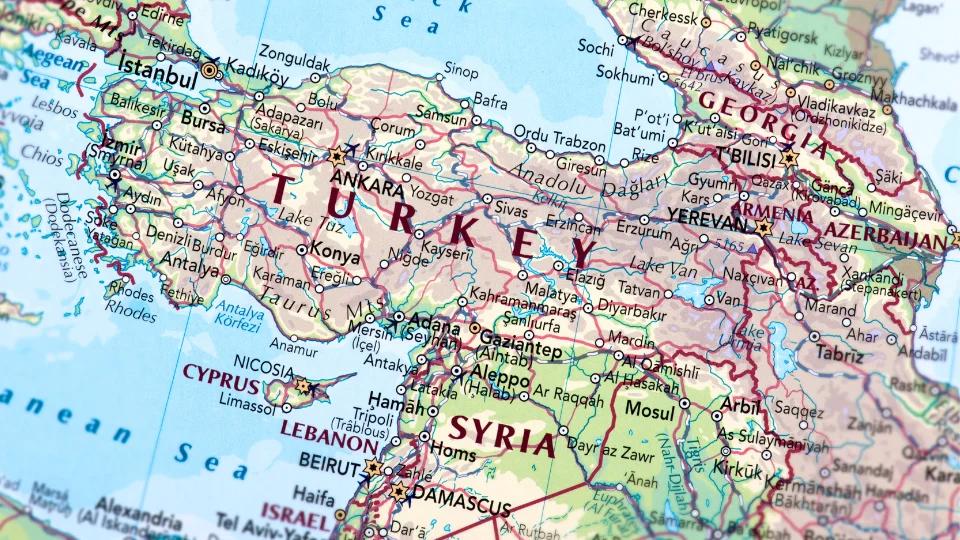
Tourists should avoid areas close to the Syria and Iraq borders unless they have an essential reason and expert local support. These zones are far from the usual routes used by first-time visitors, cruise passengers, beach travelers and cultural tourists.
Areas with the Strongest Warnings
- Within 10 km of the Syria border: Avoid due to terrorism risk, fighting and security restrictions.
- Within 10 km of the Iraq border: Avoid where your government advisory warns against travel.
- Hakkari and Sirnak: These southeastern provinces are often highlighted in advisories and are not part of standard sightseeing routes.
- Political demonstrations: Leave the area early if crowds gather, especially near government buildings or diplomatic missions.
- Military and security facilities: Do not photograph or linger near military sites, police checkpoints or sensitive government locations.
Most visitors instead focus on western, central and southern Turkey. A structured route such as a 7 Days Turkey Tour Package keeps travel within well-established destinations and reduces logistical uncertainty.
Is Istanbul Safe Right Now?
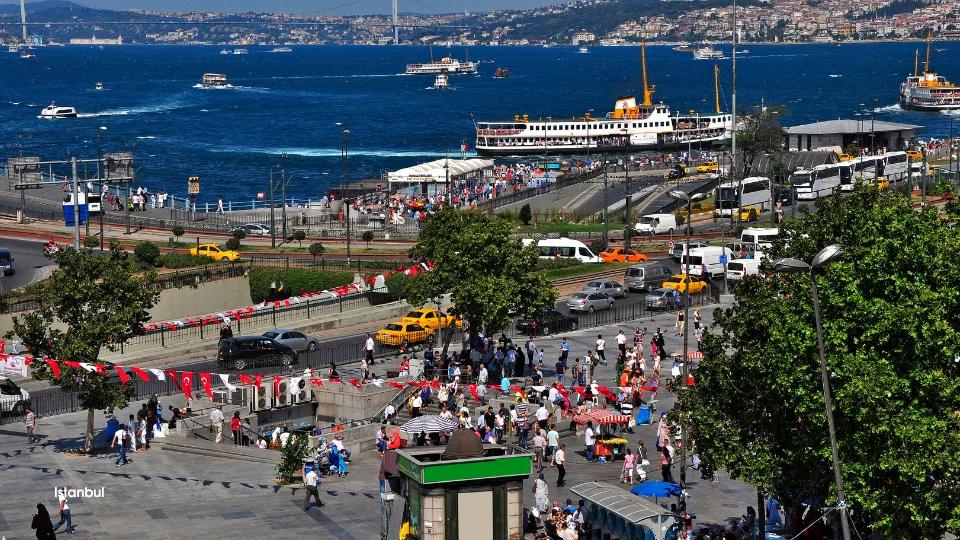
Istanbul is generally suitable for tourists who use normal big-city precautions. It is a large, busy city with strong tourism infrastructure, major airports, metro lines, ferries, hotels, museums, bazaars and guided experiences operating across the city.
The main day-to-day risks for visitors are pickpocketing, bag snatching, taxi disputes, inflated prices, nightlife scams and sudden demonstrations. These risks are manageable when you keep valuables close, stay in well-reviewed neighborhoods and avoid arguments about politics in public.
Is Istanbul Safe from Terrorism?
Istanbul is not under a general “do not travel” warning, but official advisories still mention terrorism risk in Turkey. Travelers should stay alert in crowded places such as transport hubs, markets, malls, major events, religious sites and nightlife areas.
This does not mean tourists should avoid Istanbul. It means visitors should behave as they would in any major global city: know exits in crowded venues, avoid unattended bags, follow police instructions and keep plans flexible during large events.
Safe Habits for Istanbul
- Use crossbody bags or zipped inner pockets in crowded areas.
- Keep your phone secure on ferries, trams and busy streets.
- Use official taxis, hotel-arranged transfers or trusted ride applications.
- Avoid poorly lit, empty streets late at night.
- Do not join or film protests.
If you want local context while visiting the old city, bazaars and Bosphorus neighborhoods, a Best of Istanbul Private Guided Tour can make the first days easier and more comfortable.
Live travel-safety data for Istanbul, Türkiye — kakapo.travel
Is It Safe to Travel Turkey with War in Israel and Regional Tensions?
Turkey is not Israel, Gaza, Lebanon, Syria or Iraq, and the main tourist regions are geographically separate from the areas most affected by conflict. However, regional tensions can still influence demonstrations, airline operations, security checks and public sentiment.
Travelers should monitor official advisories and airline updates before flying. The safest approach is to avoid demonstrations linked to Israel, Palestine, Iran or wider Middle East politics, especially near diplomatic missions in Ankara and Istanbul.
What to Do During Volatile Periods
- Check your government advisory within 48 hours of departure.
- Confirm flight status directly with your airline.
- Keep travel insurance documents easy to access.
- Share your itinerary with family or friends.
- Ask your hotel or licensed guide about neighborhood-level updates.
Are Cappadocia, Antalya, Bodrum, Fethiye and Ephesus Safe?
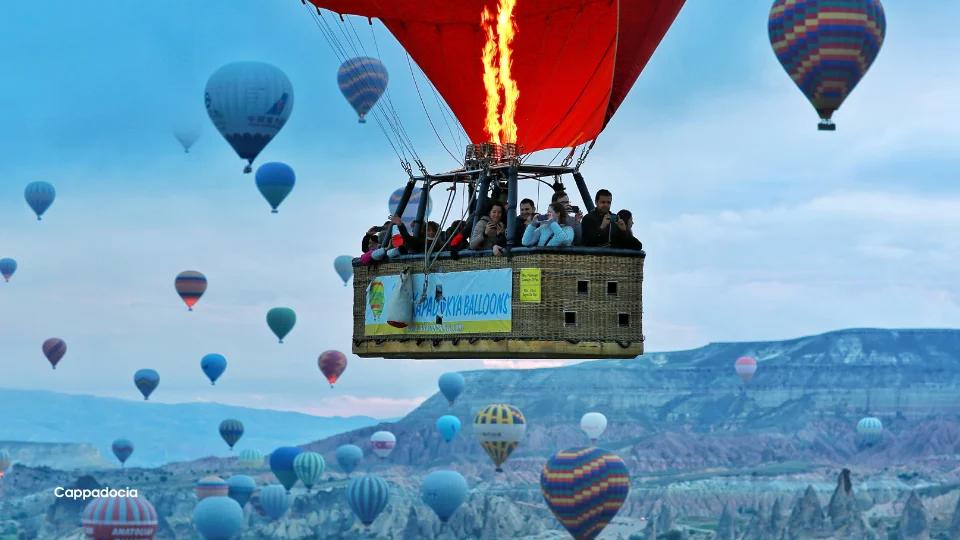
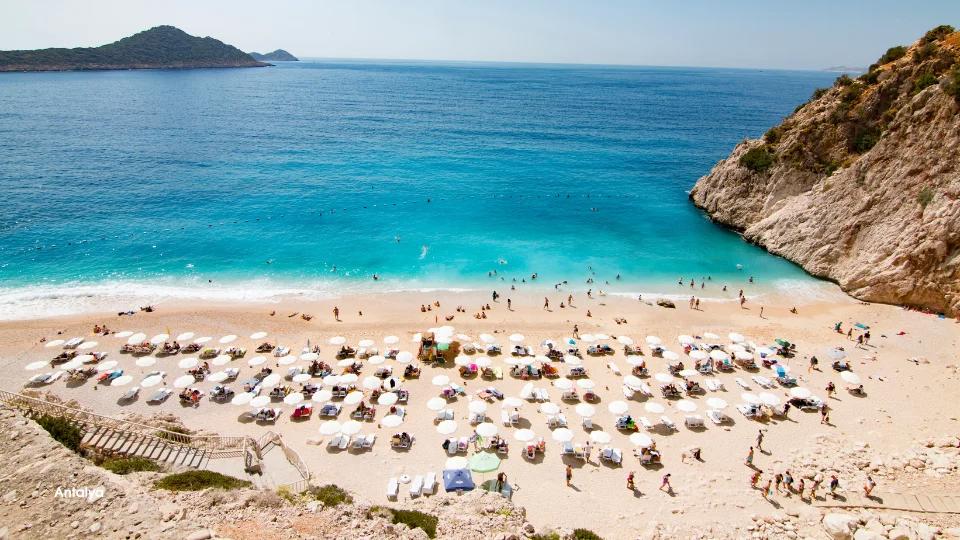
These destinations are among the most common choices for international visitors and are far from the strongest border warnings. Cappadocia is popular for valleys, cave hotels and hot air balloons, while Antalya, Bodrum and Fethiye are known for coastal holidays.
Travelers who want a classic multi-city route often combine Cappadocia with Istanbul, Ephesus and Pamukkale. This route is well-established and easier to manage than remote overland travel.
Best Tourist Regions for First-Time Visitors
Istanbul
Best for history, food, bazaars, the Bosphorus, and museums.
Use normal big-city awareness, keep an eye on your belongings in crowded areas, and avoid demonstrations or large political gatherings.
Cappadocia
Best for hot air balloons, valleys, cave hotels, and scenic landscapes.
Check weather conditions before balloon flights and rural excursions, as schedules can change quickly.
Antalya
Best for beaches, the old town, and Mediterranean resorts.
Stay hydrated during the summer months and use licensed transfers or reputable transport services.
Ephesus and Pamukkale
Best for ancient ruins, thermal terraces, and organized day tours.
Use sun protection, carry water, and avoid unlicensed guides around major tourist sites.
Bodrum and Fethiye
Best for coastal holidays, marinas, boat trips, and relaxed seaside travel.
Book with reputable boat operators and check sea conditions before joining boat tours.
For travelers who prefer beaches and coastal scenery, Fethiye is a strong choice with boat trips, harbor walks, and access to nearby natural attractions.
Is Eastern Turkey Safe for Tourists?
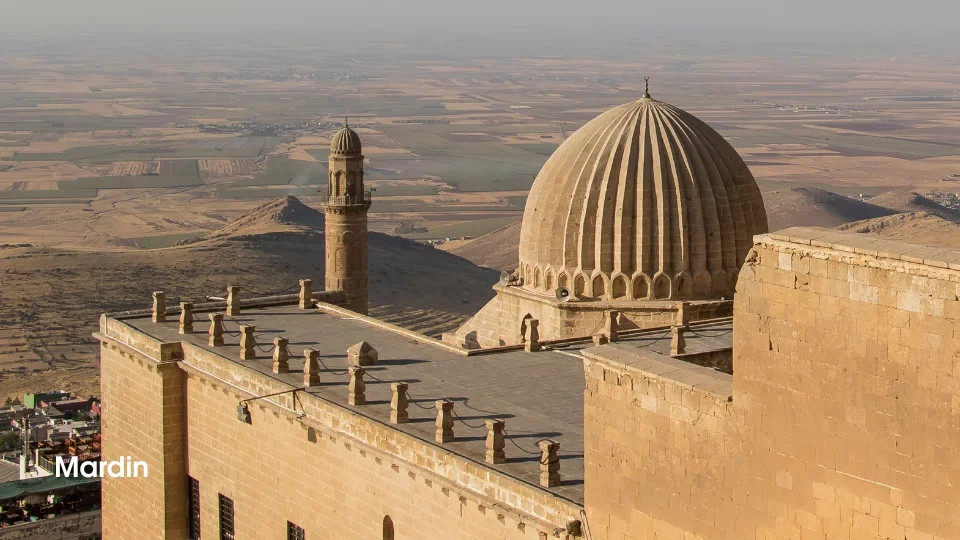
Eastern Turkey is more traditional, less commercial and more remote than the western tourist corridor. Cities such as Mardin, Kars, Van and Erzurum can be rewarding for experienced travelers, but planning matters more here than in Istanbul or Antalya.
Mardin is especially popular for stone architecture, Mesopotamian views and cultural heritage. A guided route such as the 3-Day Mardin and Midyat Tour from Istanbul can help visitors manage transport and local context more easily.
Eastern Turkey Safety Tips
- Do not improvise routes near the Syria, Iraq or Iran border areas without checking current advice.
- Use daytime travel for long road journeys.
- Check weather before mountain drives, especially in winter.
- Keep passport copies and hotel details accessible.
- Choose licensed guides or trusted transport for rural routes.
If your goal is culture, food and historic cities beyond the usual tourist triangle, explore options through the Eastern Turkey destination guide before deciding whether the route matches your comfort level.
Taxi, Airport and Transport Safety in Turkey
Public transportation in major cities is widely used by locals and visitors. Istanbul has metro, tram, ferry, Marmaray and bus connections, while intercity flights are usually the easiest way to reach Cappadocia, Antalya, Izmir, Van, Kars and other regions.
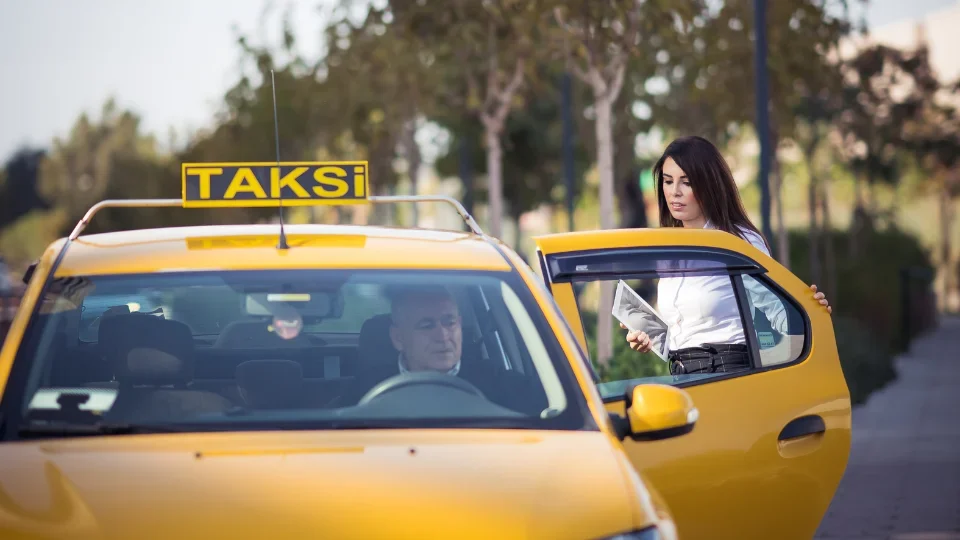
Taxi problems are usually about pricing, routes or meter use rather than personal safety. Before getting in, confirm that the meter is used or book through a trusted application, hotel desk or licensed transfer provider.
How to Avoid Taxi Problems
- Ask your hotel to call a taxi or transfer when possible.
- Use map navigation to follow the route.
- Confirm whether payment is cash or card before departure.
- Avoid unmarked cars offering rides at airports or tourist sites.
- Keep small Turkish lira notes for short rides.
For more detail on common taxi issues, route disputes and airport arrivals, read this practical guide to taxis in Istanbul.
Safety for Solo Travelers and Women
Many solo travelers, including women, visit Turkey comfortably. The safest approach is to stay in central, well-reviewed accommodation, arrive in new cities during daylight when possible and use common-sense precautions at night.
In rural areas and religious sites, modest clothing is helpful and respectful. In large cities such as Istanbul, Izmir and Antalya, dress is varied, but visitors should still consider the setting.
Helpful Habits for Solo Travelers
- Share live location with a trusted person during long transfers.
- Avoid deserted streets and isolated beaches late at night.
- Use licensed taxis or pre-booked transfers after dark.
- Trust your instincts if a social situation feels pressured.
- Join small group or private tours for remote day trips.
Travelers who want more specific advice can also review this dedicated guide to female solo travel in Turkey.

LGBTQ+ Travel Safety in Turkey
Same-sex relationships are not illegal in Turkey, but public attitudes can be conservative, especially outside major urban areas. LGBTQ+ travelers usually feel more comfortable keeping public displays of affection low-key and choosing central, internationally used hotels.
In Istanbul, neighborhoods such as Kadikoy, Moda, Cihangir and parts of Beyoglu tend to feel more cosmopolitan than rural towns. Outside major cities, discretion is generally the safer choice.
Health, Water, Insurance and Emergency Help
Major Turkish cities have modern hospitals, private clinics and pharmacies. Travel insurance is strongly recommended, especially if your itinerary includes long road transfers, adventure activities, boat trips, skiing, balloon flights or remote destinations.
Tap water in large cities is usually suitable for brushing teeth, but many visitors prefer bottled water for drinking. If you have a sensitive stomach, this simple habit can help reduce travel discomfort; see the detailed Turkey tap water safety guide.
Emergency Number in Turkey
Dial 112 for emergency help in Turkey. This number connects travelers to ambulance, fire and police emergency services.
Documents to Keep Ready
- Passport and visa or e-visa copy, if applicable
- Travel insurance policy number
- Hotel address in Turkish and English
- Embassy or consulate contact details
- Emergency contact information
Smart Planning Checklist for Safe Travel in Turkey
A safe Turkey trip depends more on practical planning than fear. Use official sources, choose realistic routes and leave space in your itinerary in case transport, weather or local events require small changes.
- Before booking: Check your government advisory and avoid routes close to warned border areas.
- Before flying: Recheck airline updates, insurance terms and local news.
- After arrival: Ask your hotel or guide about protests, road closures or neighborhood-specific advice.
- During sightseeing: Keep valuables secure and avoid political crowds.
- For multi-city trips: Use domestic flights or trusted private transfers instead of exhausting overnight drives.
For a balanced itinerary that includes major highlights without complicated logistics, the 4 Days Turkey Tour: Ephesus, Pamukkale and Cappadocia is a useful example of a compact, well-traveled route.

Best Safe Routes for Different Travelers
First-time visitors
Choose Istanbul, Cappadocia, Ephesus, and Pamukkale.
This is the classic Turkey route. It is well connected, easy to organize, and ideal for travelers visiting Turkey for the first time.
Beach travelers
Choose Antalya, Bodrum, and Fethiye.
These coastal destinations are popular, scenic, and have strong tourism infrastructure, making them comfortable choices for beach-focused trips.
Culture lovers
Choose Istanbul, Mardin, Kars, and Van.
This route offers deep history, architecture, local traditions, and regional culture. It is best planned carefully, especially for longer travel distances.
Solo travelers
Choose Istanbul, Cappadocia, Izmir, and Antalya.
These destinations offer good transport options, many hotel choices, and plenty of organized activities, which makes travel easier for solo visitors.
Cruise passengers
Choose Istanbul, Ephesus, and Bodrum shore excursions.
These stops work well for short guided visits because they have clear timing, organized routes, and reliable return plans.
For a relaxed day in Istanbul without navigating busy streets alone, an Istanbul City Tour and Bosphorus Cruise can combine major sights with a structured and comfortable route.
Final Advice: Travel Smart, Not Fearfully
Turkey remains a realistic 2026 destination for tourists who choose established routes, avoid border warning zones and stay aware in large cities. The strongest safety advice is simple: check official updates, avoid protests, protect your belongings, use trusted transport and build flexibility into your plans.
🎒 Plan a Safe and Comfortable Turkey Trip
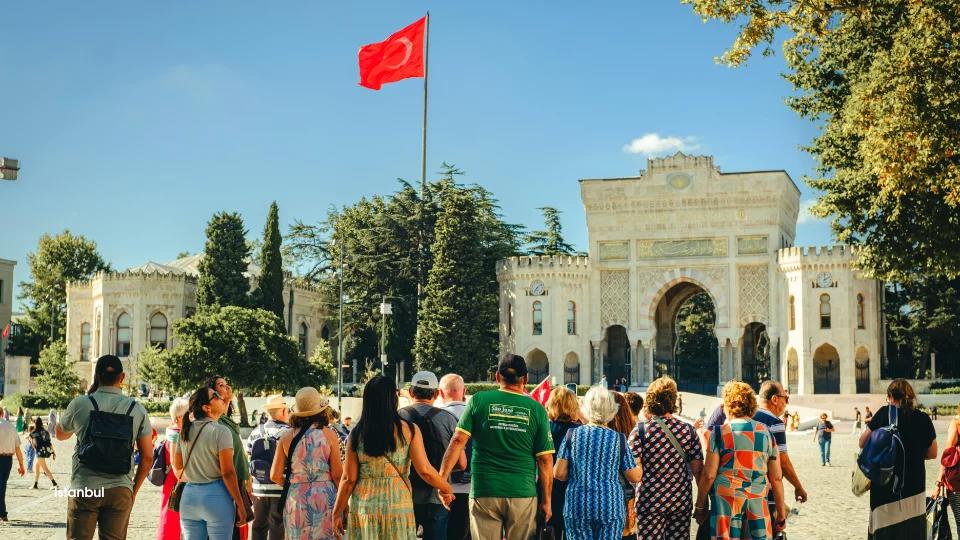
A carefully planned route helps you enjoy Turkey’s highlights while avoiding unnecessary stress, unsafe detours and confusing transport decisions. Local experts can match your itinerary to your comfort level, travel dates and interests.
Contact us today to arrange:
- Secure Transportation: Airport transfers, private drivers and city-to-city logistics arranged with reliable local support.
- Licensed Local Guides: Clear guidance in busy cities, historic sites, bazaars and remote cultural routes.
- Customized Itineraries: Safe, realistic travel plans for families, couples, solo travelers and first-time visitors.
Frequently Asked Questions
Is Turkey safe for American and European tourists in 2026?
Yes, Turkey is suitable for most American and European tourists who visit established destinations and follow official travel advice. The main warnings focus on specific border areas, not the classic tourist routes.
Is it safe to travel to Turkey with the war in Israel?
Turkey’s main tourist regions are not in the conflict zone, but regional tensions can affect demonstrations, security checks and flight updates. Avoid political gatherings and review official advisories close to your travel date.
Is Istanbul safe from terrorism?
Istanbul is open for tourism, but official advisories still mention terrorism risk in crowded places. Stay alert in transport hubs, markets, malls, religious sites and major events, and follow local authority instructions.
Which areas should tourists avoid in Turkey?
Tourists should avoid the border areas near Syria and Iraq and pay close attention to warnings for parts of southeastern Turkey, including Hakkari and Sirnak. These areas are not part of normal tourist itineraries.