
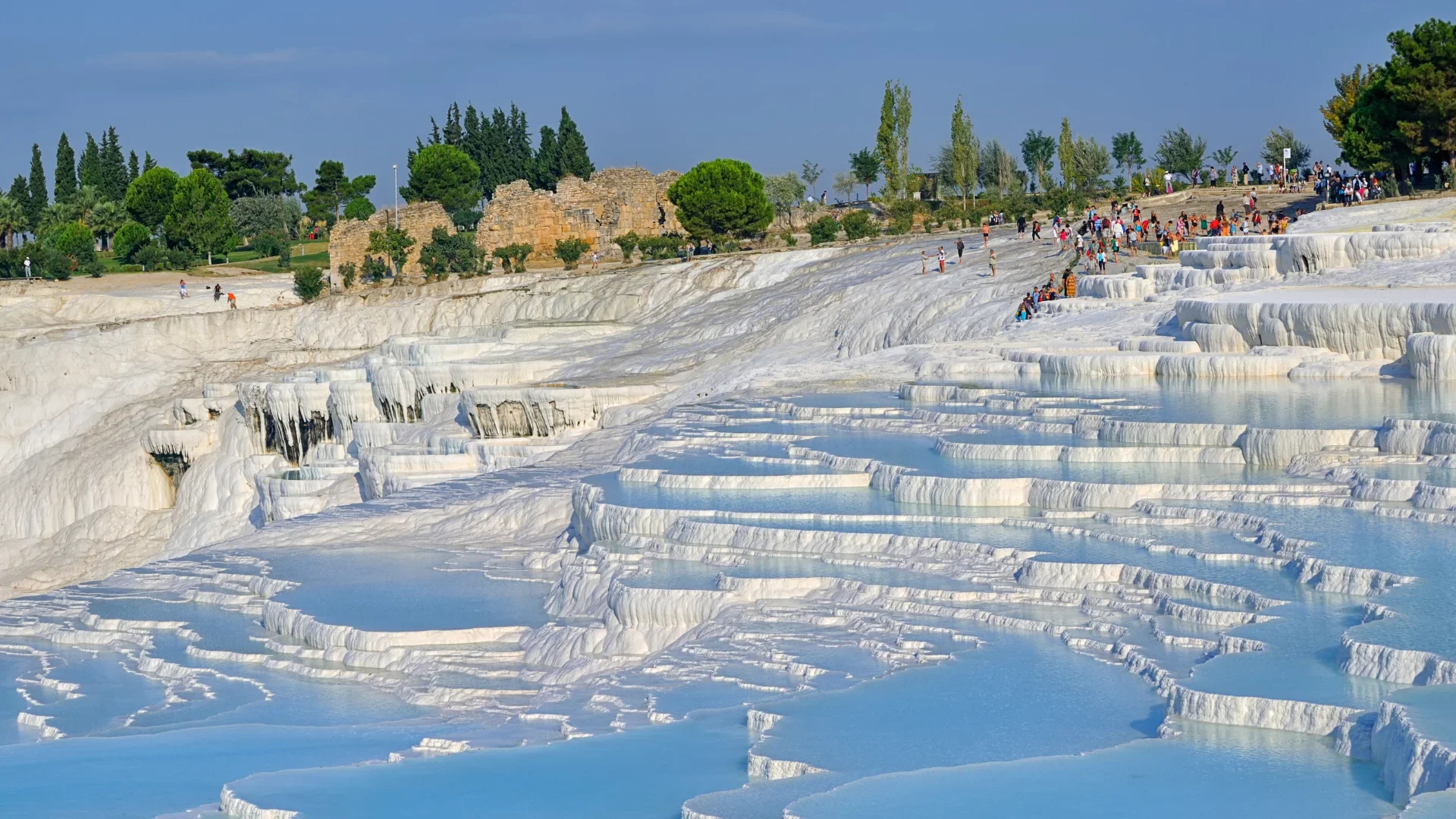
What are Pamukkale Visiting Rules in 2026? Entry Guide
Planning a trip to Pamukkale? Then you absolutely need to understand the Pamukkale visiting rules before you arrive. This stunning natural wonder is heavily protected, meaning entry regulations are strict and security checks are enforced. If you follow these guidelines, your visit to the iconic white terraces will be smooth, memorable, and entirely stress-free. This comprehensive Pamukkale travel guide explains entrance procedures, barefoot walking rules, ticket tips, and answers the most common tourist questions.
📌 Quick Guide: Pamukkale Rules & Entrance 2026
- The Barefoot Rule: You must remove your shoes (including sandals and water shoes) before stepping onto the white travertine terraces to prevent staining and damage.
- Swimming Rules: Swimming is strictly prohibited in the natural white pools. You can only swim in the designated Cleopatra Antique Pool (extra fee required).
- Ticket Coverage: The main entrance ticket includes access to the Travertine Terraces, the ancient city of Hierapolis, and the Archaeology Museum.
- Best Entrance: The South Gate is generally considered the best starting point for a balanced downhill walk through the ruins toward the pools.
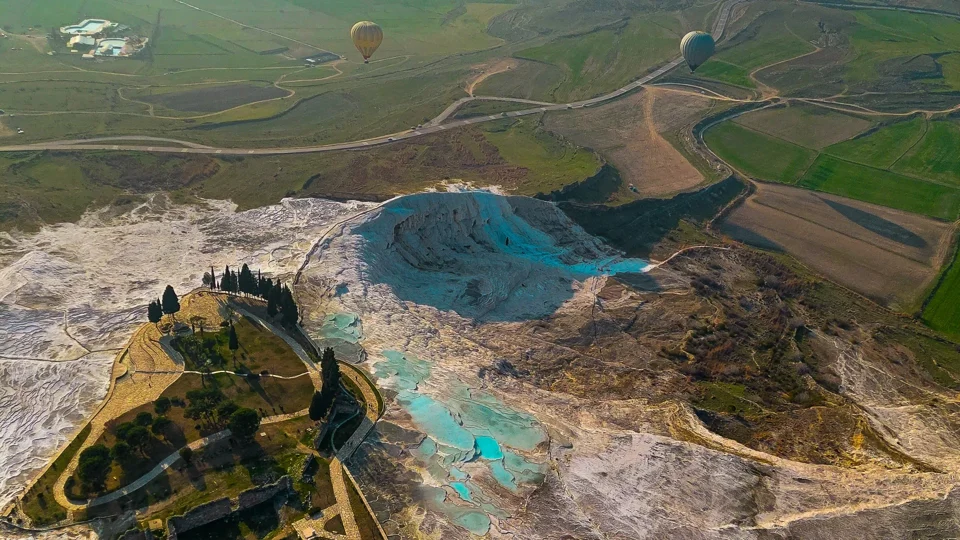
Why are Pamukkale Entrance Rules So Strict?
The famous Travertines (Cotton Castle) are formed by delicate calcium deposits left by flowing thermal waters. They are incredibly fragile. Because millions of global tourists visit this site every single year, walking on them without strict protection would quickly destroy their bright white color and unique structure. Furthermore, both Pamukkale and the ancient ruins of Hierapolis are proudly listed as a UNESCO World Heritage Site. Because of this prestigious global status, preservation rules are enforced with maximum seriousness.
What is Included in the Pamukkale Entrance Fee?
Purchasing a standard Pamukkale ticket grants you comprehensive access to the entire main complex:
- The iconic white Travertine terraces (Cotton Castle)
- The massive Hierapolis ruins, including the Hierapolis Theater, the ancient Hierapolis Cathedral, and the majestic Temple of Apollo.
- The Hierapolis Archaeology Museum
However, swimming in the famous Cleopatra Pool requires a separate, additional payment at the pool entrance. If you hold a Museum Pass Turkey, it covers your main entrance fee, but again, it does not cover the Cleopatra Pool. Because ticket prices frequently update, we highly recommend checking the official Ministry of Culture pages or consulting your tour operator before your travel dates.

What are the Mandatory Pamukkale Visiting Rules?
To ensure the site remains pristine for future generations, you must follow these absolute Pamukkale entrance rules:
- Shoes Off: You must completely remove all footwear before walking on the designated white terraces.
- Stay on the Path: Only specific, marked areas are open for walking. Stepping onto protected or dry terraces is strictly forbidden.
- No Professional Gear: Tripods and professional drones are not allowed without prior, written special permission from Turkish aviation and cultural authorities.
- No Swimming in Travertines: Swimming or fully submerging yourself is allowed only in designated pools, primarily the Cleopatra Pool.
- No Food: You cannot bring food, snacks, or colored drinks onto the white terraces to prevent accidental staining.
If you prefer not to worry about navigating routes, waiting in long ticket lines, or accidentally breaking terrace access rules, joining a guided experience makes your visit exponentially easier. A Daily Private Pamukkale Tour from Istanbul allows you to safely explore the travertines and the ancient city of Hierapolis with a licensed local expert. You receive clear historical explanations, smart timing to avoid the brutal midday crowds, and flawlessly organized transport. This is the ideal option for a stress-free Pamukkale experience.

Where Can You Actually Swim in Pamukkale?
Swimming is not allowed in the delicate white terrace pools; you may only wade in the shallow waters up to your knees. The only official, full-body swimming area is the Cleopatra Antique Pool located inside the Hierapolis complex. This stunning thermal pool is naturally heated and filled with genuine, sunken ancient Roman columns. The mineral-rich water stays comfortably warm all year round. Entry requires an extra ticket purchased on-site.
Many travelers prefer to add this relaxing stop seamlessly during a Small Group: 5 Days Turkey Tour. If you need help choosing the best Pamukkale tour based on your schedule, do not hesitate to contact us for personalized planning assistance.
Do You Really Have to Walk Barefoot?
Yes, absolutely. Everyone must remove their shoes before stepping onto the travertines. This strict rule protects the pristine white surface from permanent damage and dark dirt stains. You can easily carry your shoes in your hand or pack them into a small backpack. Be aware that the surface can feel quite slippery, especially where algae grows. Walk slowly and deliberately. Thermal water constantly flows over parts of the terraces, which makes for beautiful photography but requires very careful stepping.
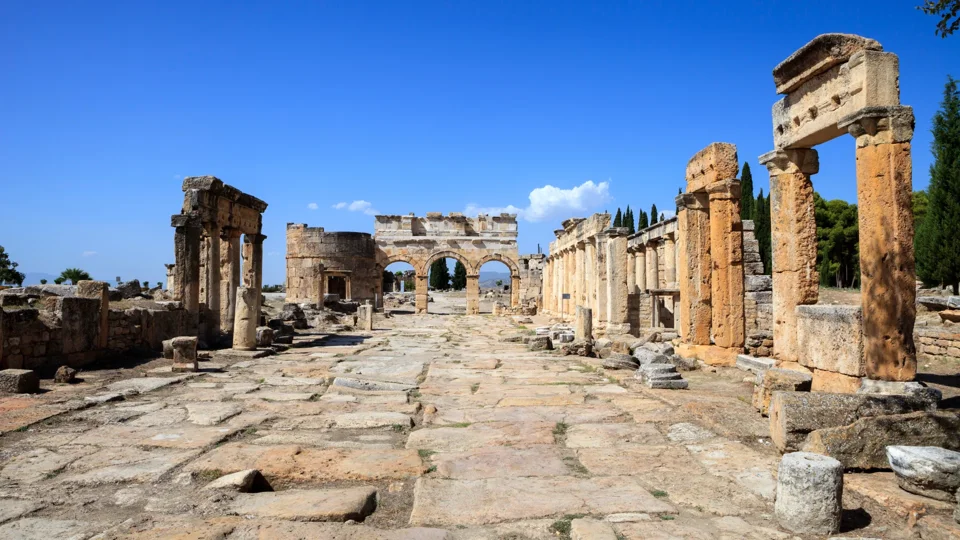
Which Entrance Gate is Better?
The vast Pamukkale complex has three main entrances: The North Gate, the South Gate, and the Town Gate. Choosing the right one significantly impacts your walking experience.
What Is The Byzantium Gate (North Entrance)?
The Byzantium Gate is situated near the modern North Gate visitor entrance. It connects directly to the sprawling ancient city of Hierapolis. Most large guided tour buses use this entrance because it allows you to walk downhill through the ruins before finally reaching the white terraces. It offers spectacular wide views over the valley and is generally less slippery at the start.
What Is The Domitian Gate (South Entrance)?
The Domitian Gate is a massive ancient Roman ceremonial gate located near the South Gate entrance. Built in honor of Emperor Domitian, starting here places you immediately closer to the grand Roman Theater, the main ancient city street, and the Temple of Apollo. However, choosing this entrance requires more uphill walking if you plan to navigate through the ruins before hitting the pools.
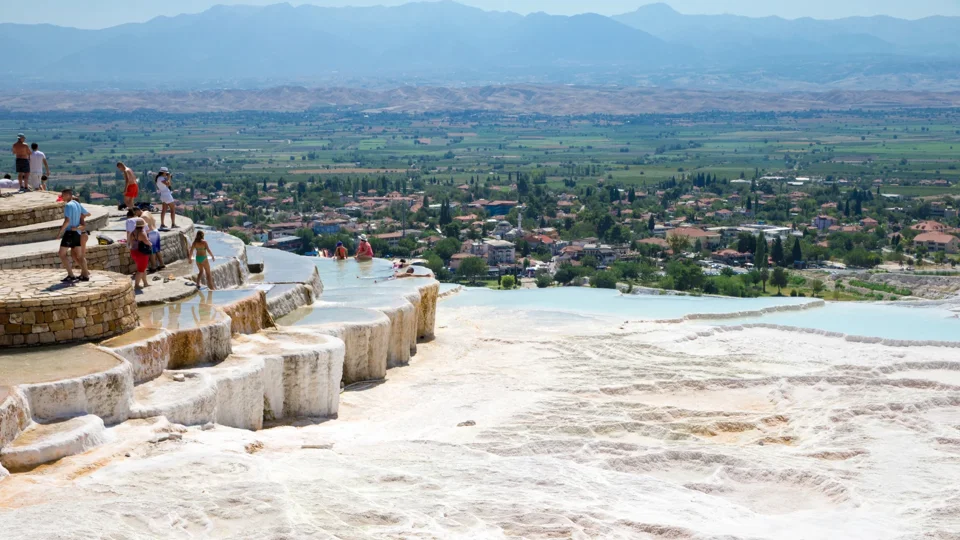
Can You Visit Pamukkale Without a Tour?
Independent visits are certainly possible. Public minibuses (dolmus) run frequently from the Denizli city center bus terminal directly to the site. Taxis are also readily available. However, a guided tour provides invaluable historical context about Hierapolis. Without professional explanation, many visitors simply rush to the pools for photos and completely miss the incredible significance of the Roman theater, the massive necropolis, and the ancient streets.
Opting for multi-day comprehensive packages such as a 2-Day Private Ephesus And Pamukkale Tour or a 4-Day Ephesus Pamukkale And Cappadocia Tour allows for much deeper, relaxed exploration without feeling rushed.
What are Pamukkale Entrance Hours and Crowds Like?
The site generally opens early in the morning and closes in the evening during the summer season, with slightly shorter operating hours in the winter.
Is Pamukkale crowded? Yes, heavily. Especially between the peak months of April and October. The midday hours are notoriously busy as massive tour buses from coastal resorts arrive right after 10:00 AM. For the best experience, try visiting very early in the morning right when the gates open, or in the late afternoon. Staying for the late afternoon guarantees you can witness the famous sunset colors reflecting off the white terraces, creating breathtaking photo opportunities.

Frequently Asked Questions
Q: Is Pamukkale really worth visiting?
A: Absolutely. It is one of Turkey’s most unique, visually striking landscapes. The dramatic combination of glowing white thermal pools situated directly alongside beautifully preserved ancient Roman ruins is incredibly rare worldwide.
Q: How long should you spend in Pamukkale?
A: You should plan for at least 3 to 4 hours to comfortably see both the white terraces and the Hierapolis ruins. If you intend to swim in the Cleopatra Antique Pool, you should allocate at least 5 hours.
Q: Is Pamukkale safe for children to visit?
A: Yes, families visit very frequently. However, the wet travertine surfaces can be slippery, and the ancient ruins have uneven ground. Children must hold a parent's hand and walk carefully in these areas.
Q: Can You Bring a Drone to Pamukkale?
A: No. Drone use requires official, written permission from Turkish civil aviation authorities. Unauthorized flights over the UNESCO site are strictly monitored and will result in heavy fines.
🇹🇷 Plan Your Stress-Free Pamukkale Trip
Pamukkale is not just a quick photo stop; it is a heavily protected natural wonder layered with deep Roman history. Are you looking to skip the massive bus crowds, avoid confusing ticket lines, and ensure you enter through the best gate? Let our local experts handle the logistics for you.
Contact us today to:
- Book a Private Guide: Explore Hierapolis with a licensed historian who brings the ancient city to life.
- Arrange Private Transport: Seamless transfers from Denizli airport, Kusadasi, or Izmir directly to the site.
- Create a Custom Itinerary: Perfectly combine Pamukkale with trips to nearby Ephesus or Cappadocia.
Email: [email protected]
Location: Serving Istanbul, Pamukkale, Ephesus, and beyond.


