Is Turkey In Europe Or The Middle East?
Turkey is a uniquely captivating country, prompting many travelers to ask the same question before their trip: Is Turkey European or Middle Eastern? You will often hear mixed answers. Because the country sits directly between two continents, it blends different cultures and carries the historical legacy of empires that shaped both the East and the West. This fascinating mix creates a special identity that you can feel in every part of the country. This guide provides a simple explanation and answers common questions from tourists searching to understand Turkey's place between Europe and the Middle East.
📌 Quick Guide: Is Turkey European or Middle Eastern?
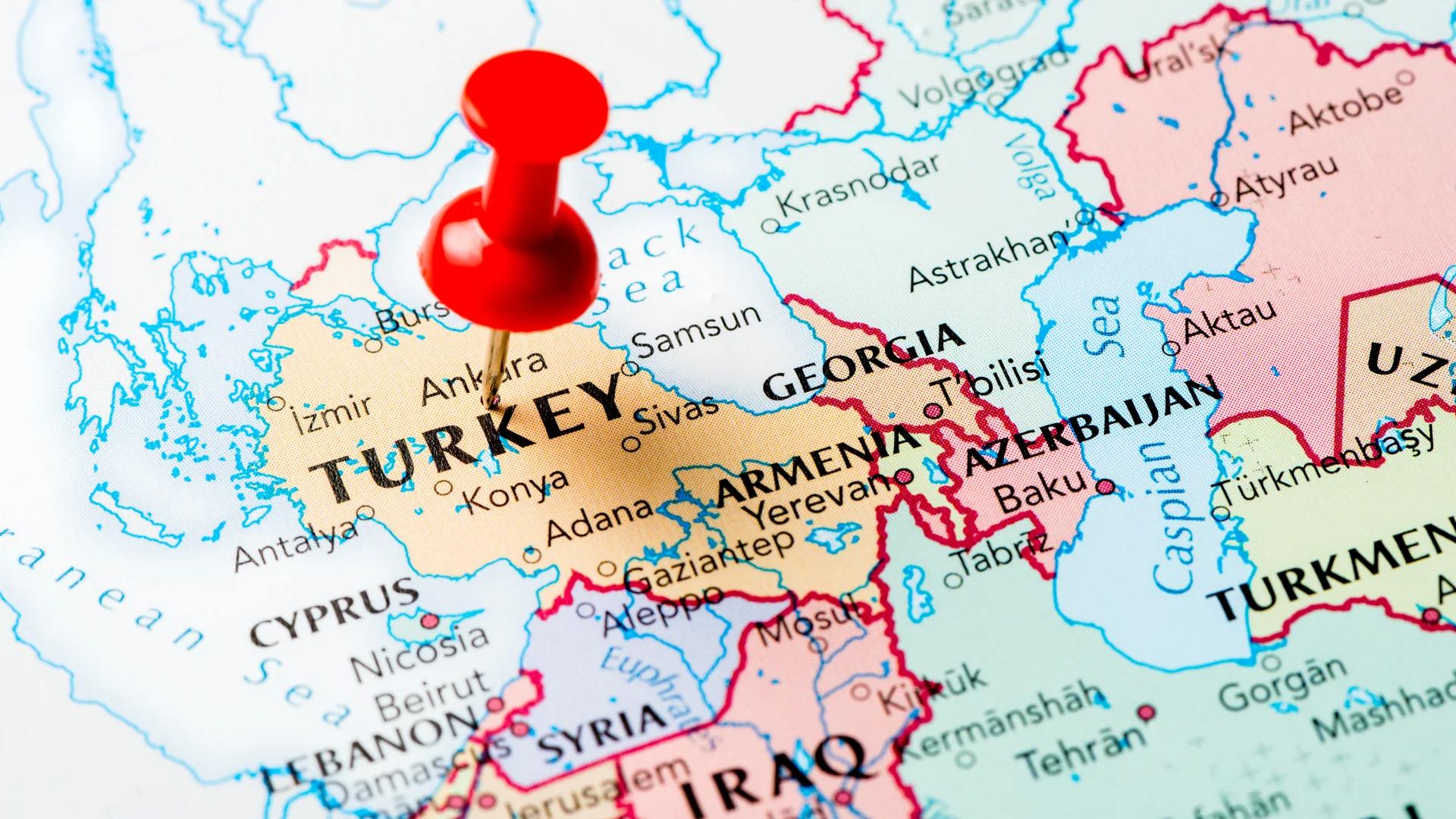
- Geographical Split: About 97% of its landmass is located in Asia (Anatolia), while the remaining 3% lies in Europe (Thrace).
- Cultural Blend: Western coastal cities lean heavily European, whereas the Eastern and Central regions reflect traditional Middle Eastern values.
- Political Stance: It is a key member of NATO with exceptionally strong ties to Europe, though it is not an EU member state.
- The Verdict: Turkey is neither fully European nor entirely Middle Eastern; it serves as the ultimate bridge harmonizing East and West.
Where Is Turkey Located?
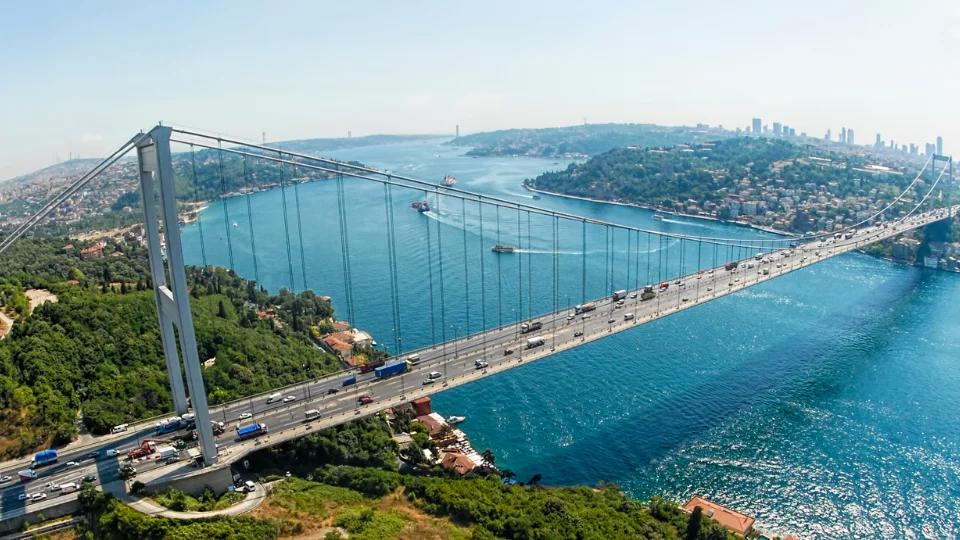
Turkey sits perfectly between Europe and Asia. While the vast majority of its landmass is located in Asia, a small but highly significant portion lies in Europe. The Bosphorus Strait is the natural waterway that divides the two continents. When you stand on the western side of the city, you are in Europe, and when you cross the famous bridge or take a ferry, you step directly into Asia.
Travelers rightly call Turkey a bridge between East and West, and the land itself showcases this incredible geographical mix. Many tourists book specialized excursions like the Istanbul Combo: City Highlights & Bosphorus Cruise to physically experience both continents in a single memorable day.
Is Turkey Culturally European Or Middle Eastern?
Turkey boasts a strong and vibrant cultural blend. Western and coastal cities like Istanbul, Izmir, and Antalya feel distinctly European. In these areas, you will find modern streets, lively outdoor cafes, and a fast-paced, contemporary lifestyle that mirrors major Western hubs.
Conversely, central and eastern regions embrace a more traditional Middle Eastern atmosphere. In these areas, you can explore ancient bazaars, authentic local food shops, and enjoy a much slower, community-focused pace of life.
Because the culture shifts dramatically by region, it creates a dynamic mix you simply cannot find in other countries. Many tourists fall in love with this diversity because it feels wonderfully familiar yet entirely new at the same time.
Is Turkey Politically Part Of Europe?
Turkey is not a member of the European Union, but it is a crucial part of NATO. Turkey works closely with many European nations, maintaining exceptionally strong ties in both tourism and international trade. Because Turkish citizens and Europeans frequently travel back and forth, this geopolitical and economic connection remains highly active in 2026. So, while not in the EU, its relations with Europe are deeply interwoven.
Is Turkey Middle Eastern?
Turkey undoubtedly shares a deep history with Middle Eastern countries. The Ottoman Empire ruled large territories of the Middle East for centuries, and you can still see this profound influence today in the region's food, music, and social traditions.
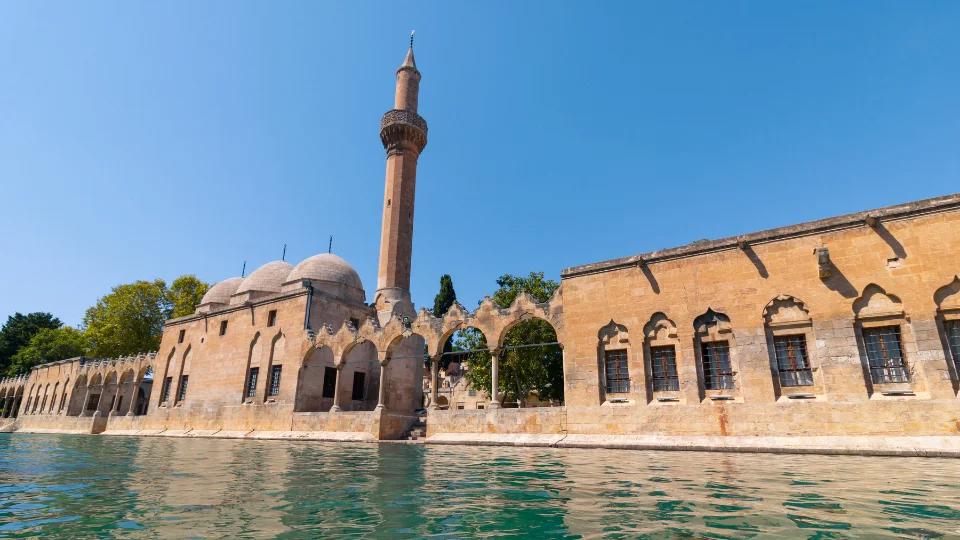
Turkish cuisine shares many similarities with Middle Eastern cuisine, highlighted by famous dishes like kebabs, rich baklava, and a deeply rooted tea culture. Cities in the southeast, as well as culturally rich destinations like Konya, feature a distinct charm and are legendary for their warm, endless hospitality.
Ultimately, Turkey maintains its own unique cultural identity. It is not entirely Middle Eastern, nor is it entirely European—it is a harmonious, transcontinental blend of both worlds.
Is Istanbul European Or Middle Eastern?
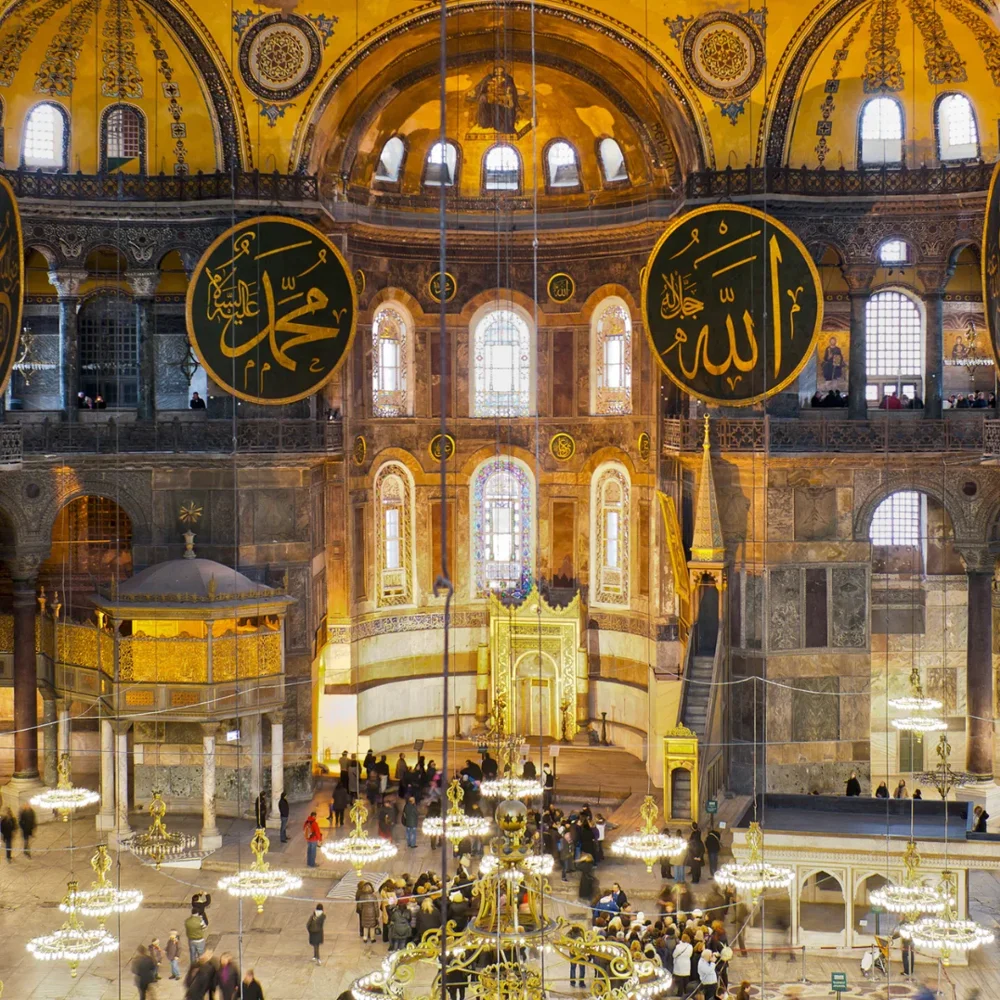
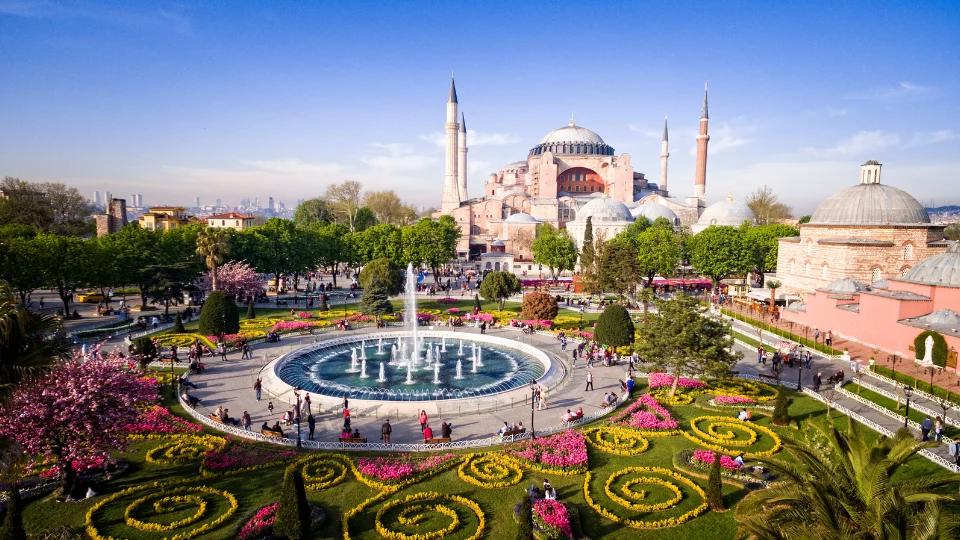
Istanbul feels European in many of its modern districts, yet it proudly showcases strong Middle Eastern touches. The city's architecture perfectly mirrors this duality. As you walk near the Hagia Sophia, the Blue Mosque, and Topkapi Palace, you feel the weight of multiple empires. A few blocks away, the labyrinthine alleys of the Grand Bazaar instantly transport you into a classic Middle Eastern atmosphere.
To fully grasp this contrast, many visitors choose specialized trips like the scenic Bosphorus Luxury Yacht Cruise, allowing them to witness the striking blend of these two worlds directly from the water.
What Do Turkish People Consider Themselves?
Most people in the country primarily identify simply as Turkish. While some may feel culturally closer to European lifestyles and others relate more to Middle Eastern traditions, their unified national identity is the main focal point. Turkish people are incredibly proud of their deep-rooted traditions, their modern, bustling cities, and their rich cultural diversity.
Is Turkey Safe For Travelers?
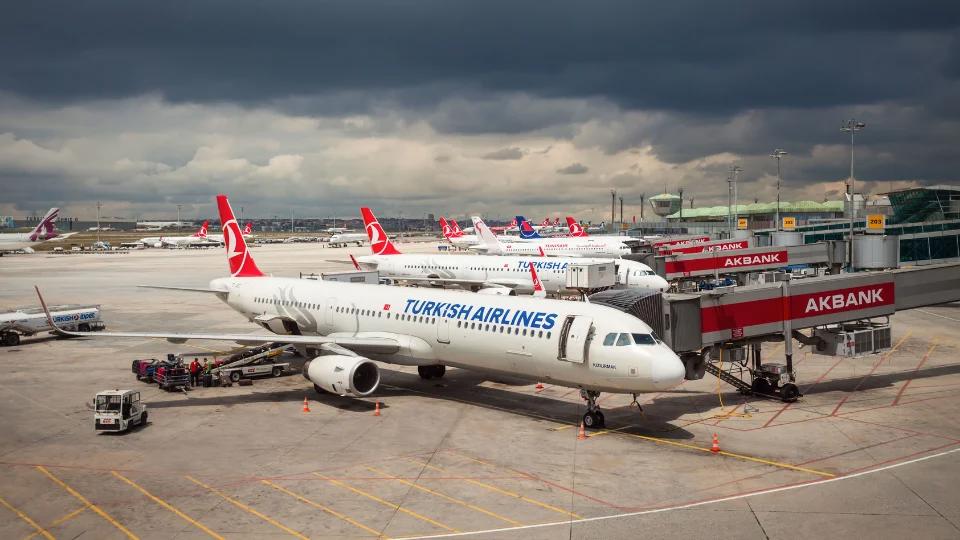
Absolutely. Turkey is consistently one of the most visited countries in the world. Major destinations like Istanbul, Antalya, Cappadocia, and Izmir safely welcome millions of international tourists every single year. Moving through 2026, the primary tourist zones remain highly secure, well-policed, and incredibly accommodating.
For added peace of mind, many first-time visitors choose comprehensive guided itineraries, such as the 7 Days Turkey Tour Package, which ensures seamless and secure travel across the country's top highlights.
Does Turkey Use European Standards?
Yes, Turkey adopts many European standards to accommodate global travelers. The country uses European-style (Type C and F) electrical plugs, follows Eastern European Time, and its hotels and airports strictly adhere to contemporary European safety and operational regulations.
However, when it comes to daily habits, the atmosphere can feel wonderfully traditional. The robust tea culture, bustling street markets, and strong emphasis on family gatherings beautifully reflect classic Middle Eastern values. This incredible mix is exactly what makes Turkey feel welcoming and familiar to visitors from all over the globe.

🎒 Ready to Explore the Best of Both Worlds?
Experience the magic of Turkey's unique transcontinental culture with our expert local guides. Let us craft the perfect 2026 itinerary for your unforgettable journey.
Contact us today to arrange:
- Expert Local Guides: Discover hidden gems and historical wonders with seasoned professionals.
- Seamless Logistics: Enjoy VIP transportation, skip-the-line tickets, and stress-free planning.
- Customizable Itineraries: Tailor your trip to match your exact interests, pace, and travel style.
Frequently Asked Questions
Q: Is Turkey in Europe or Asia?
Turkey is a transcontinental country located on both continents. Europe holds a small portion of its land (Thrace), while Asia holds the vast majority (Anatolia).
Q: Is Turkey considered Middle Eastern?
Turkey is partly Middle Eastern. It shares significant cultural, historical, and culinary ties with Middle Eastern countries, though it fiercely maintains its own distinct Turkish identity.
Q: Is Turkey part of the EU?
No, Turkey is not a member state of the European Union, though it is a member of NATO and holds robust economic and political ties with Europe.
Q: Is Istanbul in Europe or Asia?
Istanbul physically sits on two continents, divided by the Bosphorus Strait. You can easily visit both the European and Asian sides in a single day.
Q: Is Turkey safe to visit?
Yes. The main tourist areas, modern cities, and historical sites in Turkey are highly safe, well-policed, and meticulously organized for international visitors.