
Turkey’s Architectural Gems: 5 Must-Visit Stops for History Lovers
Famous landmarks such as Hagia Sophia and Ephesus often receive the most attention. However, some of the finest examples of architecture in Turkey stand far beyond the standard tourist route. Medieval cities rise above empty plains. Stone palaces overlook old trade roads. Monasteries seem to grow directly from mountain cliffs.
These five architectural gems in Turkey introduce you to Armenian, Byzantine, Seljuk, Ottoman and local building traditions. Two are official UNESCO World Heritage Sites. The others appear on Turkey’s UNESCO Tentative List. Together, they offer a deeper look at the cultures that shaped Anatolia.
Ani One of The Best Ancient Cities in Turkey
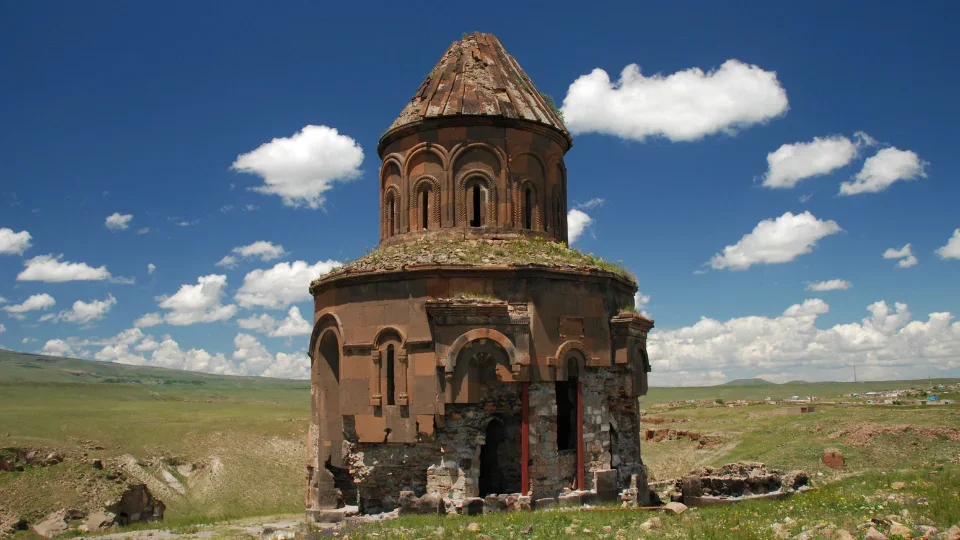
The Archaeological Site of Ani stands on a high plateau near Kars and the Armenian border. It became the capital of the Armenian Bagratid Kingdom in the 10th century. Its position on a branch of the Silk Road later brought trade and wealth. Ani was once known for its many religious buildings. Today, you can walk between churches, city walls and the remains of public structures. The Cathedral of Ani is the most impressive stop. Its pointed arches and tall interior show ideas that were advanced for the period.
The Church of Saint Gregory of Tigran Honents still preserves parts of its colorful wall paintings. The Menucehr Mosque reflects the city’s later Islamic period. Together, these buildings reveal how Ani changed under Christian and Muslim rulers.
Ani became a UNESCO World Heritage Site in 2016. UNESCO recognizes it as an important medieval city that combined several architectural and cultural traditions. Its isolated setting also creates a powerful atmosphere. Allow at least two hours to explore the main structures. The plateau can be windy, so bring an extra layer even on a clear day.
Divrigi Great Mosque Is a UNESCO Masterpiece
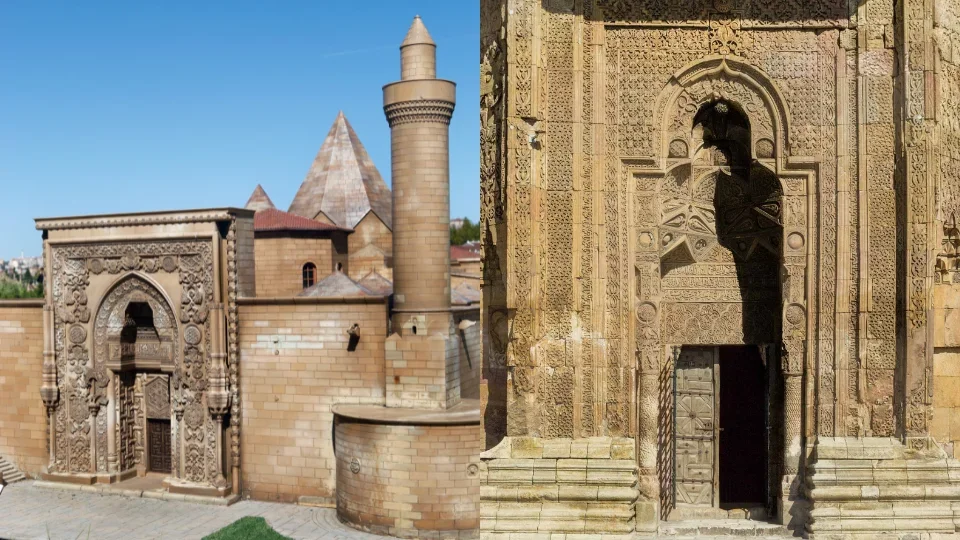
The Great Mosque and Hospital of Divrigi is one of the finest examples of Seljuk architecture in Turkey. The complex was built in 1228–1229 in today’s Sivas Province. It contains a mosque, a hospital and a tomb. Its three stone portals are the main highlight. Each entrance has a different design. Deep carvings create leaves, stars and geometric patterns. The details appear to change as sunlight moves across the surface. The interior has a quieter design. Stone columns support carefully planned vaults. The nearby hospital shows that the complex served both religious and social needs.
The site joined the UNESCO World Heritage List in 1985. UNESCO highlights its creative stonework and unique architecture. Divrigi is far from Turkey’s main visitor centers, so careful planning is important. The town has a train connection, but a regional tour or private vehicle can make the journey easier. Explore Ani with the Private Ani Ruins & Kars Tour with Hotel Pick-up, which includes convenient transportation and expert insights into the ancient city.
Is Sumela Monastery Worth Visiting from Trabzon?
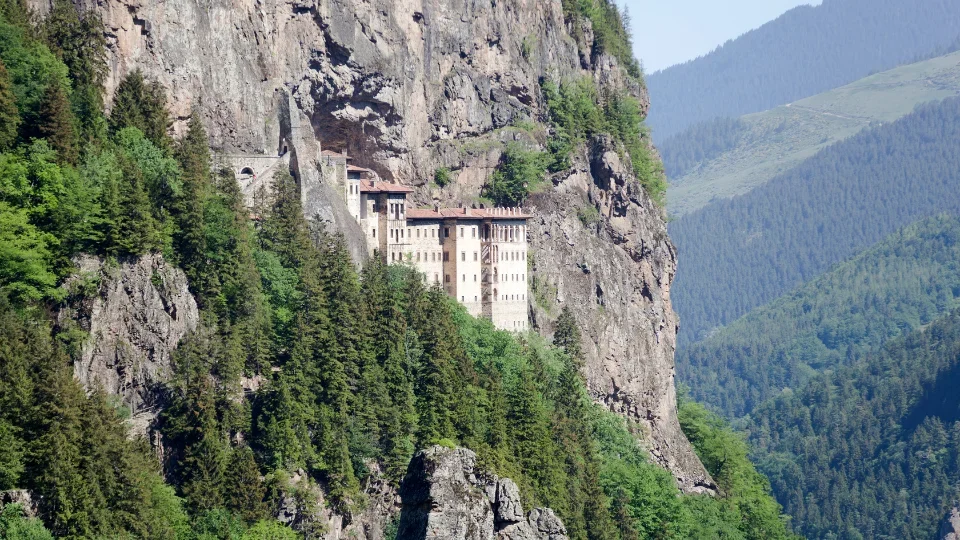
Sumela Monastery stands against a steep cliff in Altindere Valley near Trabzon. Its dramatic position makes it one of the most photographed historic buildings in Turkey. The complex developed over many centuries. It includes a rock church, chapels, rooms for monks and other shared spaces. Religious wall paintings remain visible in several sections. The mountain setting is just as memorable as the art.
Sumela is on Turkey’s UNESCO Tentative List. This means Turkey has proposed it for possible future nomination. It is not currently a full UNESCO World Heritage Site. The site requires walking and climbing steps. Wear shoes with good grip. Fog and rain are common in the Black Sea region, so carry a light jacket. Access rules may change during maintenance work. Check current conditions before leaving Trabzon. A Trabzon Sumela Monastery Tour can combine Sumela with mountain scenery and other cultural stops.
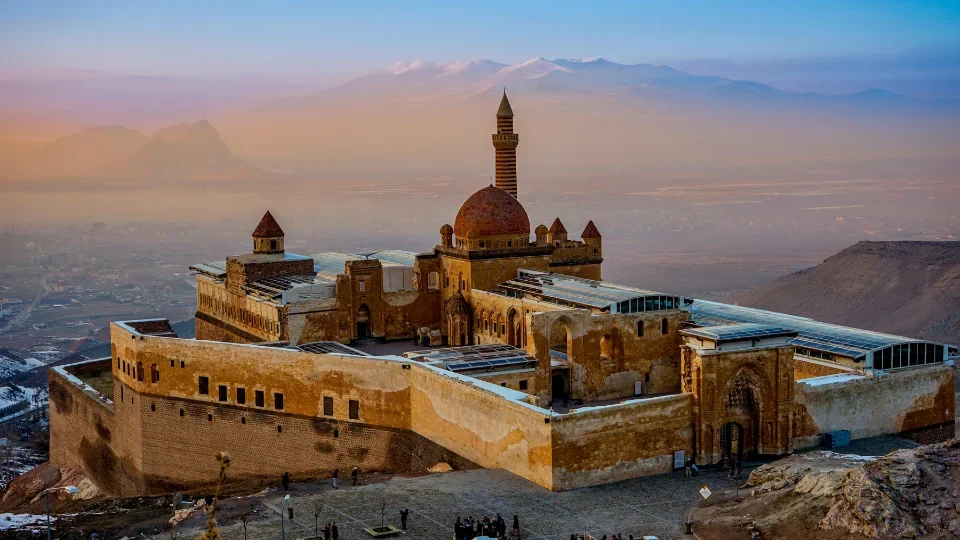
Why Is Ishak Pasha Palace Architecturally Unique?
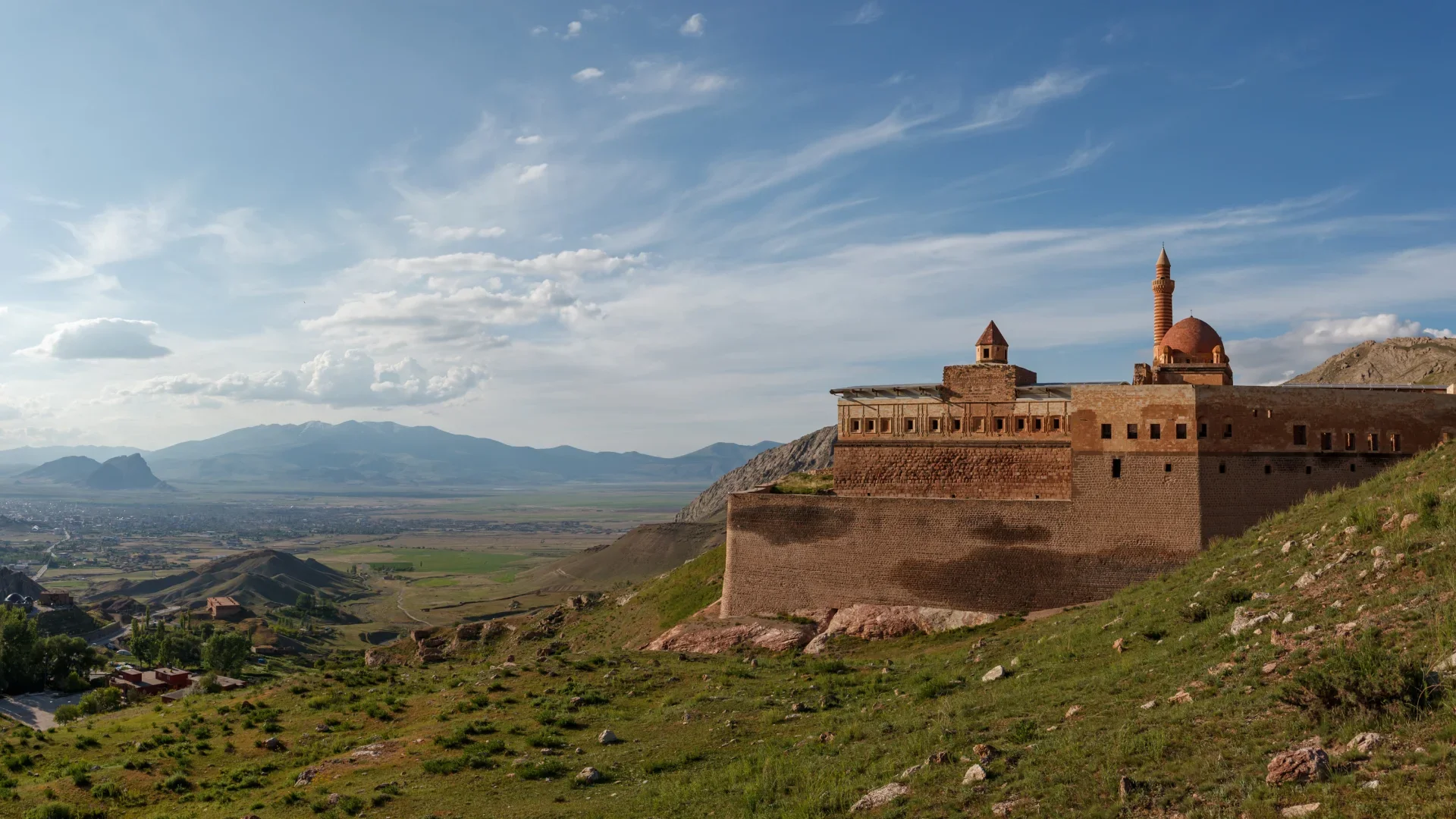
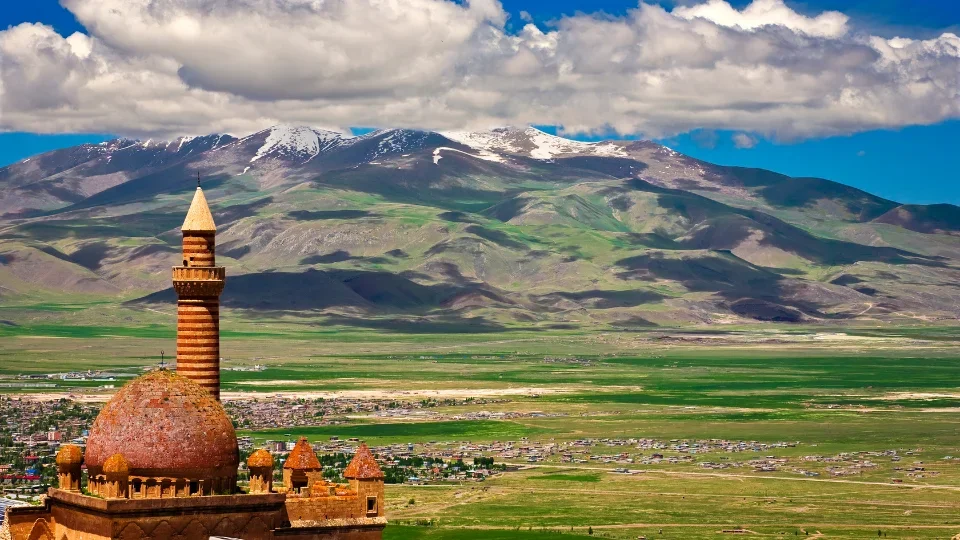
Ishak Pasha Palace overlooks a broad valley near Dogubayazit in eastern Turkey. Construction continued over a long period and the palace reached its final form in the late 18th century.Its design blends Ottoman, Persian, Seljuk and regional influences. This makes it very different from the waterfront palaces of Istanbul. Inside, you can see courtyards, ceremonial rooms, living spaces and a mosque. Carved stone decoration adds detail to the strong walls and large entrance. The palace also provides wide views across the surrounding landscape. Mount Ararat may be visible in clear weather. Late afternoon offers softer light for photography.
Ishak Pasha Palace appears on Turkey’s UNESCO Tentative List. Its location near former trade routes adds to its cultural importance. You can combine Dogubayazit with Ancient Civilizations of Southeastern Turkey Tour with Hotels for a longer journey through the region.
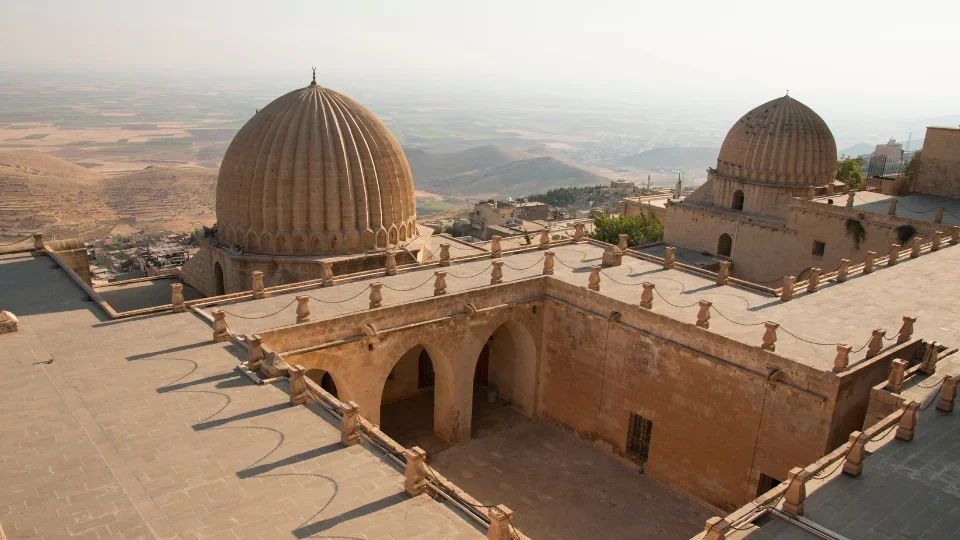
Traditional Stone Architecture in Mardin
Mardin is more than a collection of monuments. Its old city is a complete architectural landscape. Honey-colored limestone houses cover a steep hillside above the Mesopotamian Plain. Narrow streets lead to mosques, churches, madrasas and private courtyard homes. Many buildings have carved entrances and shaded terraces. Local stone helps keep interiors cooler during hot summers. Key places include Zinciriye Madrasa, Kasimiye Madrasa and the Great Mosque of Mardin. Deyrulzafaran Monastery sits outside the center. It remains an important religious site for the Syriac Orthodox community.
The Mardin Cultural Landscape is on Turkey’s UNESCO Tentative List. Its stone buildings, mixed religious heritage and hillside plan support its possible future nomination. The 3-Day Mardin and Midyat Tour from Istanbul offers an easy way to connect Mardin with Midyat’s historic stone houses.
FAQ
When Is the Best Time to Explore Architecture in Turkey?
April, May, September and October usually provide comfortable weather for walking. Eastern Turkey can remain cold in early spring. Mardin and Dogubayazit may become very hot in summer. Start outdoor visits early and carry water.
Are These Sites Included in Museum Pass Turkey?
Entry policies depend on the site and pass type. Some state-run attractions may accept Museum Pass Turkey, while religious or locally managed buildings may use separate tickets. Check the official Museum Pass list before your trip.
How Long Do You Need to Visit All Five Places?
These sites are spread across Turkey. A complete route requires around 10 to 14 days with domestic flights and road transfers. Most travelers will find it more practical to explore them through separate eastern, central and Black Sea itineraries.
Discover a Different Side of Turkey’s Architectural Heritage
Ani, Divrigi, Sumela, Ishak Pasha Palace and Mardin tell five very different stories. Each destination shows how geography, religion and local materials influenced architecture in Turkey. These places reward travelers who look beyond the most famous routes. Contact us to plan a private Turkey architecture tour and turn these UNESCO landmarks and hidden historic sites into an unforgettable journey.


