
Beyond the Grand Bazaar: A Guide to Turkey’s Regional Artisan Markets
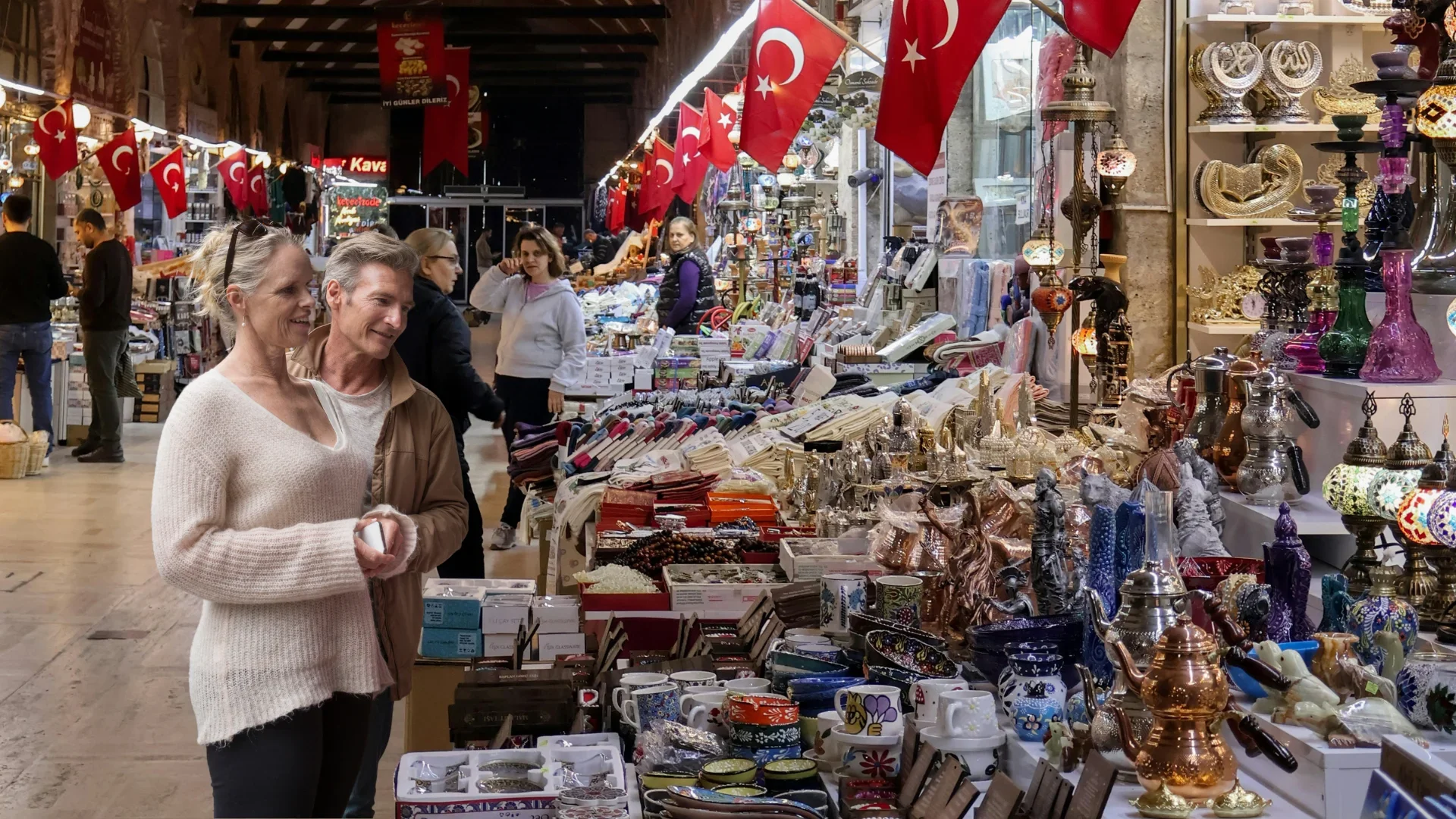
When travelers think about shopping in Turkey, the Grand Bazaar in Istanbul is usually the first place that comes to mind. It is one of the world's oldest covered markets and an unforgettable stop for many visitors. However, Turkey offers much more than its famous bazaars. Across the country, regional artisan markets preserve centuries-old traditions and give travelers the chance to discover authentic handmade products created by local craftspeople.
These markets are more than places to shop. They tell the story of Turkey's cultural heritage through pottery, silk weaving, copper engraving, wood carving, textile production, and many other traditional crafts. Every region has developed its own specialties over hundreds of years. Visiting these markets allows you to meet skilled artisans, watch their work, and purchase items with real cultural value instead of factory-made souvenirs.
If you want a more authentic shopping experience, exploring Turkish artisan markets beyond Istanbul should be part of your itinerary.
Why Visit Turkish Artisan Markets?
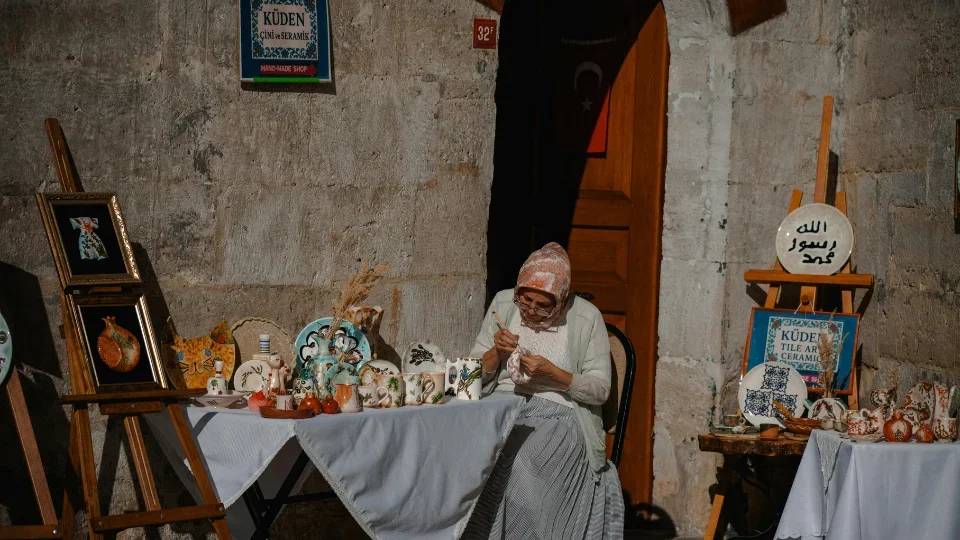
Regional markets offer a completely different experience from large tourist shopping areas. Instead of hundreds of similar souvenir shops, you will often find family-owned workshops that have been producing handmade goods for generations. Many artisans continue using techniques passed down from parents and grandparents. Their work reflects local traditions rather than modern mass production.
Shopping in these markets also helps preserve traditional craftsmanship. Many young artisans continue their family businesses because visitors appreciate authentic handmade products. Every purchase supports local communities and keeps these valuable skills alive.
Another advantage is the opportunity to speak directly with the people who create the products. Many workshop owners enjoy explaining their techniques, the history of their craft, and the meaning behind traditional designs. This personal connection often becomes one of the most memorable parts of a trip.
How To Recognize Authentic Handmade Turkish Crafts?
Popular tourist destinations also offer factory-produced souvenirs that may look similar to traditional crafts. Knowing how to recognize authentic products helps you make better choices. Hand-painted ceramics usually show small differences in color and brush strokes. These tiny variations are signs of real craftsmanship. Factory-made ceramics often look perfectly identical. Copper products made by hand usually have fine hammer marks and engraved details. Machine-made items have smooth surfaces and identical patterns. Handwoven textiles may include slight differences in texture because every piece is produced on traditional looms. Natural silk also feels softer and lighter than synthetic fabrics. Many workshops proudly demonstrate their production process. If you can watch the artisan creating the product, you know exactly where your purchase comes from.
Best Turkish Markets for Handmade Ceramics
Iznik
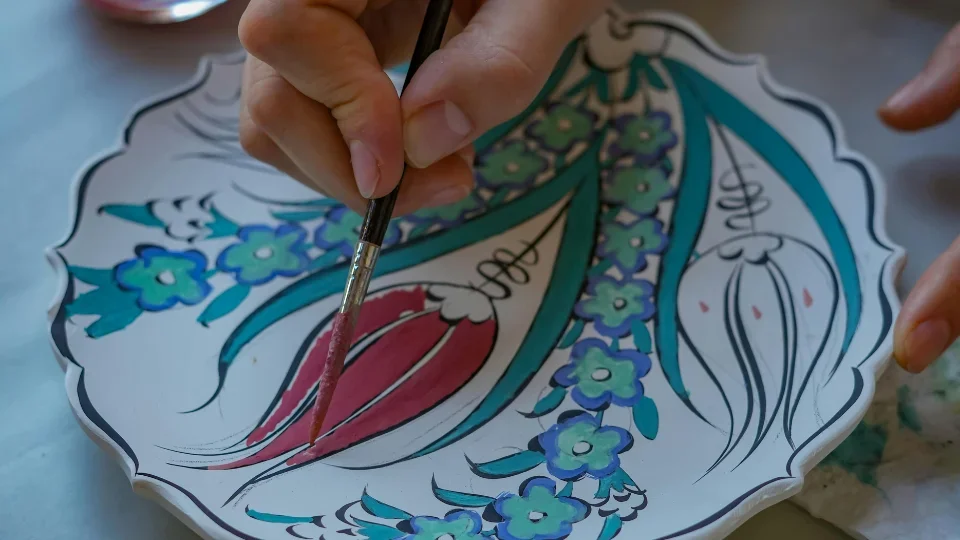
Iznik has been producing world-famous ceramics since the Ottoman Empire. The city's famous blue, turquoise, green, and red designs decorate historic landmarks across Turkey, including many imperial mosques. Today, visitors can explore workshops where artists still paint every design by hand. Decorative plates, bowls, tiles, vases, and coffee sets are among the most popular purchases. Since every piece is individually painted, no two products are exactly alike. Many visitors combine Iznik with nearby historical attractions, making it an excellent cultural day trip.
Kutahya
Kutahya continues one of Turkey's oldest ceramic traditions. While Iznik is famous for classical Ottoman patterns, Kutahya is known for combining historic techniques with modern artistic styles. Small family workshops line the city's streets. Visitors can watch artists carefully paint detailed floral patterns before the ceramics are fired in traditional kilns. Ceramic lovers often find greater variety in Kutahya because many local artists create unique collections that cannot be found elsewhere in Turkey.
Best Turkish Market for Silk
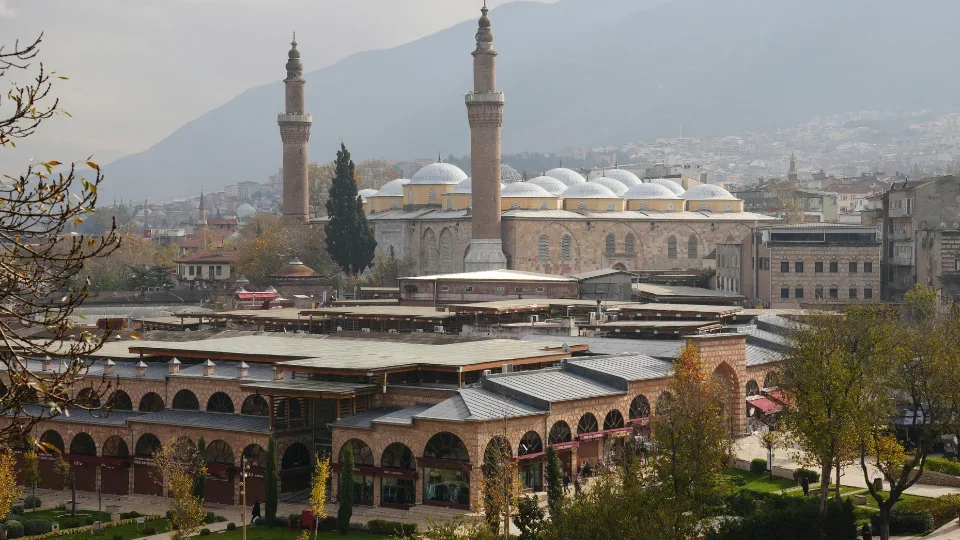
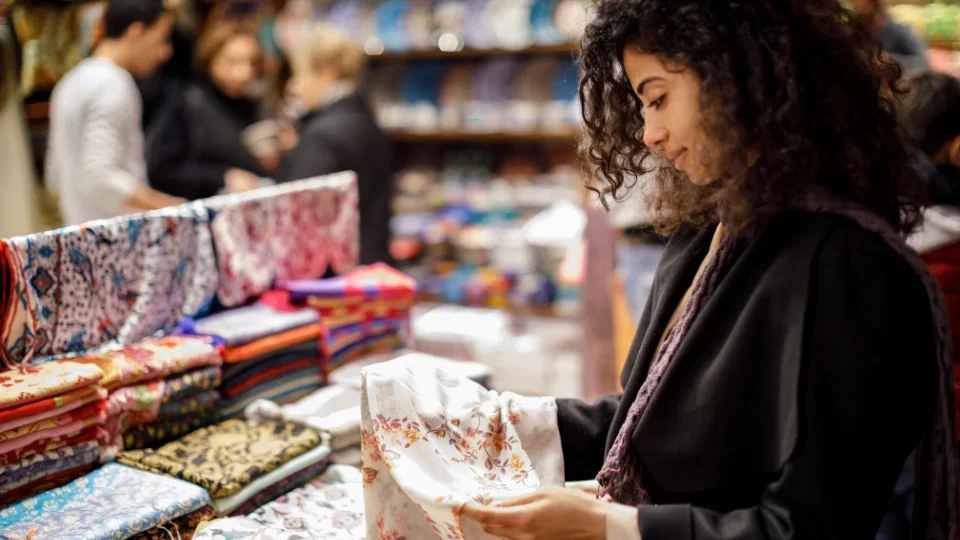
Bursa became one of the Ottoman Empire's most important trading centers because of its connection to the historic Silk Road. The city's famous Koza Han remains one of the best places in Turkey to buy natural silk products. Inside the beautifully restored caravanserai, dozens of shops sell silk scarves, shawls, clothing, ties, table runners, and handmade textiles. Many businesses work directly with local silk producers. This helps maintain both quality and traditional weaving techniques. Unlike modern shopping malls, Koza Han offers a peaceful atmosphere. Visitors often take a break in the central courtyard with a cup of Turkish tea before continuing their shopping. A Private Bursa Tour From Istanbul is one of the easiest ways to experience Bursa's Ottoman heritage while visiting Koza Han and its famous silk market.
Best Turkish Market for Copper Crafts
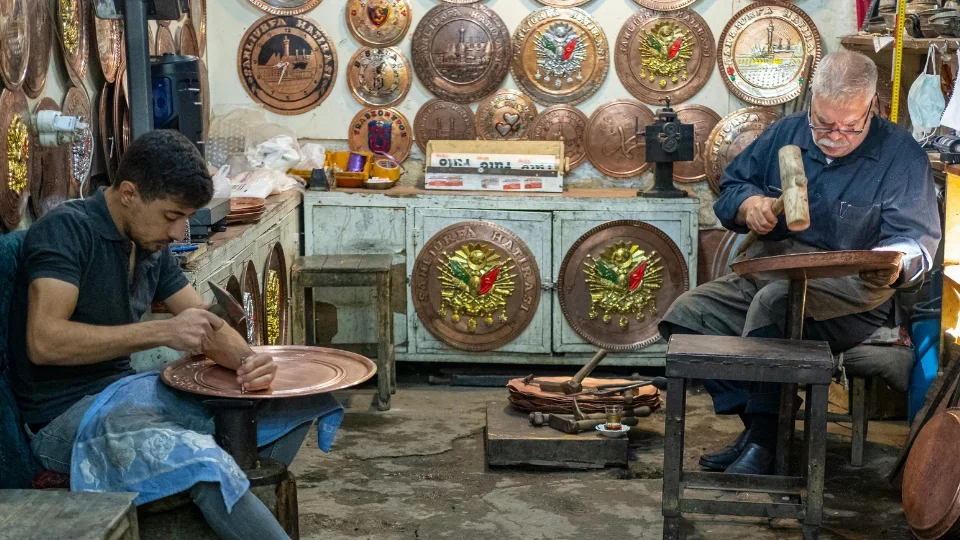
Gaziantep is internationally famous for its cuisine, but its copper craftsmanship is equally impressive. Walking through the historic Copper Bazaar, visitors hear the rhythmic sound of artisans shaping metal using traditional hand tools. Many workshops have been operating for generations. Craftsmen transform sheets of copper into elegant coffee pots, serving trays, decorative plates, bowls, lanterns, and kitchenware. Detailed engraving is added by hand, making every piece unique. Copper products from Gaziantep are both decorative and practical. Many locals continue using handmade copper cookware in their daily lives. For travelers exploring southeastern Turkey, cultural itineraries that include Gaziantep provide an excellent opportunity to experience one of the country's oldest craft traditions alongside its famous local cuisine.
Best Turkish Market for Silver
Mardin offers one of Turkey's most unforgettable shopping experiences. Unlike many modern markets, the Mardin Old Bazaar follows narrow stone streets beneath historic buildings that have changed very little over the centuries. Shopping here feels like walking through an open-air museum. The market is best known for telkari, a traditional silver filigree craft that has been practiced in Mardin for generations. Local artisans carefully twist fine silver wires into detailed jewelry, decorative boxes, and ornaments. Every piece is made by hand, making it a meaningful souvenir and a beautiful example of regional craftsmanship.
Besides silverwork, visitors can find handmade soaps, embroidered textiles, leather goods, local spices, roasted coffee, and traditional almond candies. Many small shops are family businesses that continue techniques passed down through generations. Travelers who want to discover the region in greater depth often choose the 3-Day Mardin & Midyat Tour from Istanbul, which combines Mardin's historic streets, traditional artisan workshops, and the unique cultural heritage of nearby Midyat.
Best Turkish Market for Pottery
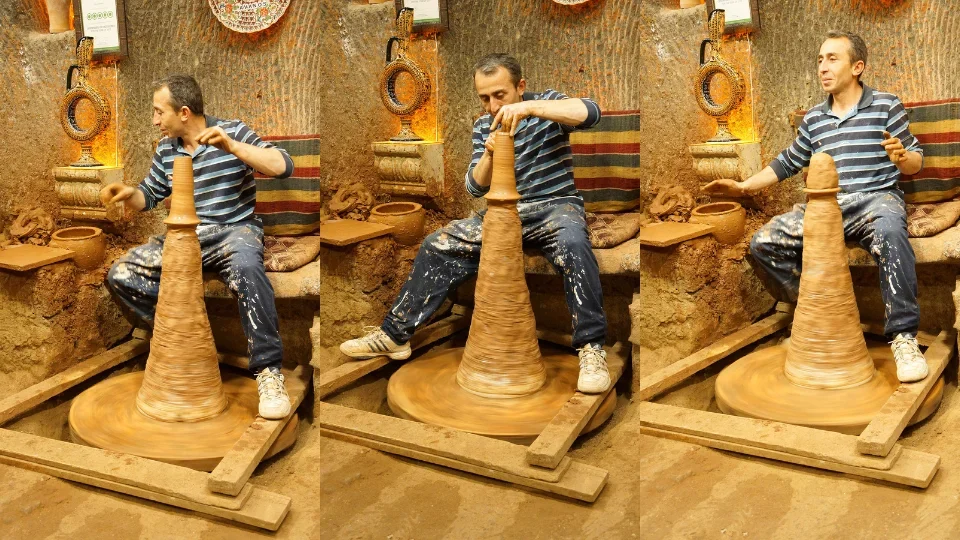
Located in the heart of Cappadocia, Avanos has been famous for pottery for thousands of years. Local craftsmen use the rich red clay taken from the nearby Kizilirmak River. This natural material has shaped the town's identity since the Hittite period. Many workshops welcome visitors inside. You can watch experienced potters shape clay on traditional kick wheels before the pieces are dried, painted, and fired. Some studios even invite guests to create their own pottery under the guidance of local masters. It is one of the most enjoyable cultural activities in Cappadocia. Pottery from Avanos ranges from simple bowls to beautifully decorated vases and plates inspired by Anatolian and Ottoman patterns. A Private Cappadocia Tour is an excellent way to combine famous valleys, underground cities, and authentic pottery workshops in one unforgettable experience.
Shopping Tips Before Buying Handmade Products
Buying handmade crafts is different from shopping in large retail stores. Taking a little extra time can help you choose products that will last for many years. Visit several workshops before making a decision. Each artisan has a different style, and prices may vary depending on the materials and the amount of handwork involved.
Do not focus only on the lowest price. Handmade products require hours or even days of careful work. Higher-quality materials and skilled craftsmanship usually justify the cost. If you are buying ceramics or glass, ask whether the shop offers protective packaging for international travel. Many experienced workshops prepare secure boxes that reduce the risk of damage during flights. For carpets and larger decorative pieces, ask about international shipping. Many established workshops can arrange safe delivery directly to your home.
Unique Souvenirs From Regional Markets
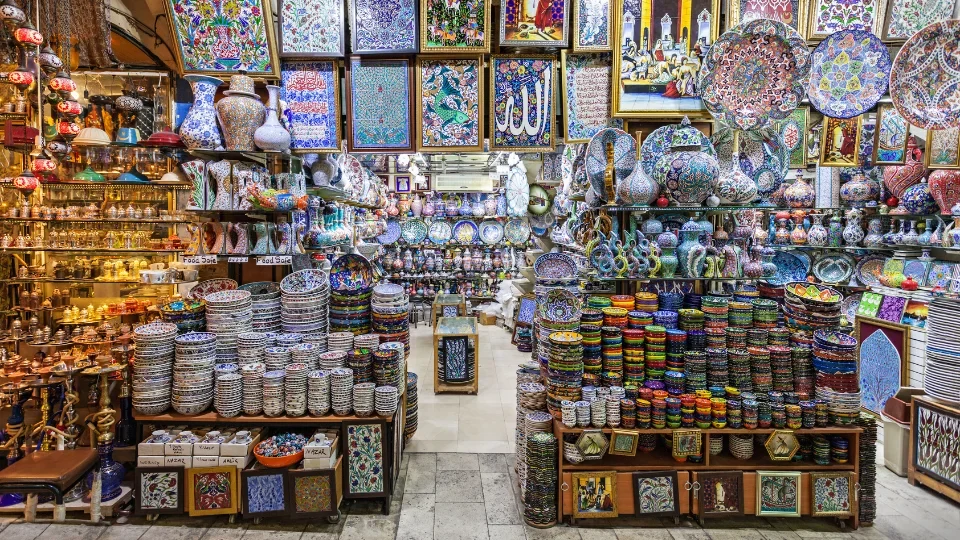
Every region in Turkey offers products that are difficult to find anywhere else. Instead of purchasing standard souvenirs, many travelers look for items that reflect the identity of each destination. Some of the most popular regional products include:
- Hand-painted Iznik ceramics
- Traditional Kutahya porcelain
- Natural silk scarves from Bursa
- Handmade copper coffee sets from Gaziantep
- Pottery created in Avanos
- Woven textiles from Sanliurfa
- Olive wood kitchen products from the Aegean region
- Hand-carved meerschaum pipes from Eskisehir
- Traditional wooden spoons from Beysehir
- Colorful glass evil eye ornaments made by local workshops
These products are more than souvenirs. They represent generations of knowledge and regional traditions that continue today.
Can You Bargain at Turkish Artisan Markets?
Bargaining is part of the shopping culture in many traditional markets, but it depends on what you are buying. Negotiation is common for carpets, textiles, leather goods, and decorative items. Friendly conversations often lead to reasonable discounts, especially when purchasing several products. A polite attitude creates a much better shopping experience than aggressive bargaining.
Best Time To Visit Turkish Artisan Markets
Most artisan markets are open throughout the year, but spring and autumn offer the most comfortable weather for exploring different regions. Weekday mornings are usually the best time to visit. Workshops are less crowded, and artisans often have more time to explain their techniques or answer questions. Many cities also organize cultural festivals and handicraft events during the spring and summer months. These celebrations provide additional opportunities to meet local artists and watch live demonstrations.
Why Explore Regional Markets With a Local Guide?
Many artisan workshops are hidden inside historic streets or traditional bazaars that first-time visitors may never discover on their own. A knowledgeable guide can introduce you to family-owned businesses, explain the history behind each craft, and recommend workshops known for genuine handmade products. Travelers who enjoy shopping often combine cultural sightseeing with local markets. The Museum Pass Istanbul offers access to many of the city's most important museums and archaeological sites. It is a practical option for travelers.
Multi-day itineraries across Turkey also include opportunities to discover regional artisan traditions that many tourists miss. Many visitors include UNESCO World Heritage Sites such as the Historic Areas of Istanbul, Ephesus, and Cappadocia in their itinerary. Combining famous landmarks with regional artisan markets creates a deeper and more authentic travel experience.
FAQ
Which City Has the Best Artisan Market in Turkey?
There is no single answer because every region specializes in different crafts. Bursa is famous for silk, Gaziantep for copper, Avanos for pottery, and Iznik and Kutahya for ceramics.
What Are the Best Handmade Souvenirs From Turkey?
Ceramics, silk scarves, copper coffee sets, handmade textiles, pottery, olive wood products, and traditional jewelry are among the most popular authentic souvenirs.
Are Regional Markets Better Than the Grand Bazaar?
The Grand Bazaar offers incredible variety, while regional artisan markets provide a more personal experience. Visitors can meet local makers, learn about traditional techniques, and purchase products directly from the people who create them.
Can I Watch Artisans Making Their Products?
Yes. Many pottery studios, ceramic workshops, copper workshops, and weaving centers welcome visitors and demonstrate every step of the production process.
Can Handmade Products Be Shipped Abroad?
Many established workshops offer international shipping for carpets, ceramics, pottery, and larger decorative items. Always ask about secure packaging before making your purchase.
What Is the Best Souvenir to Bring Home From Turkey?
The best souvenir depends on the region you visit. Handmade ceramics from Iznik, silk from Bursa, pottery from Avanos, and copperware from Gaziantep are all excellent choices because they represent local traditions.
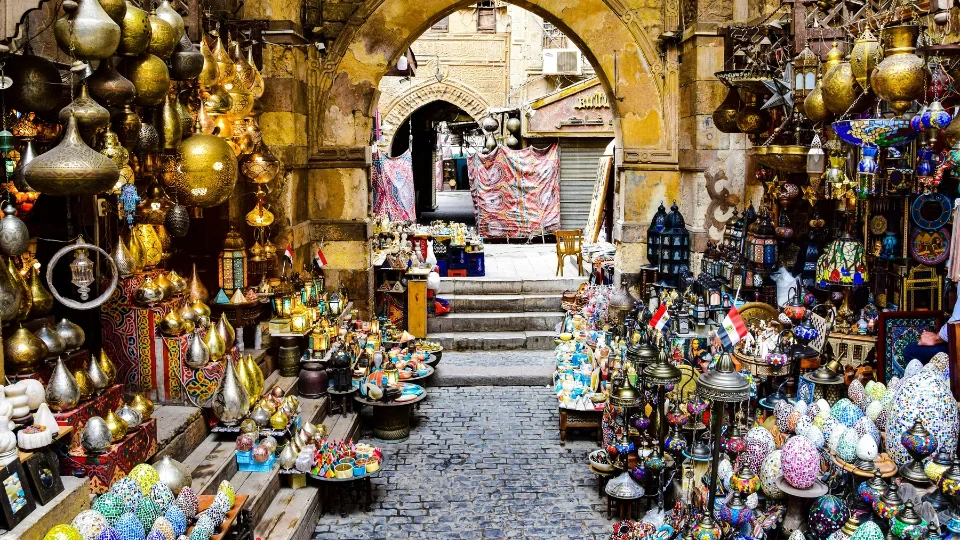
Turkey's regional artisan markets offer much more than shopping. They introduce visitors to local traditions, family workshops, and centuries of craftsmanship that continue to shape the country's cultural identity. Every destination tells a different story through its handmade products, making each visit unique and memorable. Whether you are looking for elegant silk, colorful ceramics, handcrafted pottery, or beautifully engraved copper, these markets allow you to experience Turkey beyond the famous tourist attractions.
If you would like to discover authentic Turkish artisan markets with an experienced local guide, contact us today. Our carefully designed cultural tours combine historic landmarks, local workshops, and unforgettable shopping experiences to help you explore the true heart of Turkey.